No High Court judge-monitored probe into Chester Hills project: Himachal government
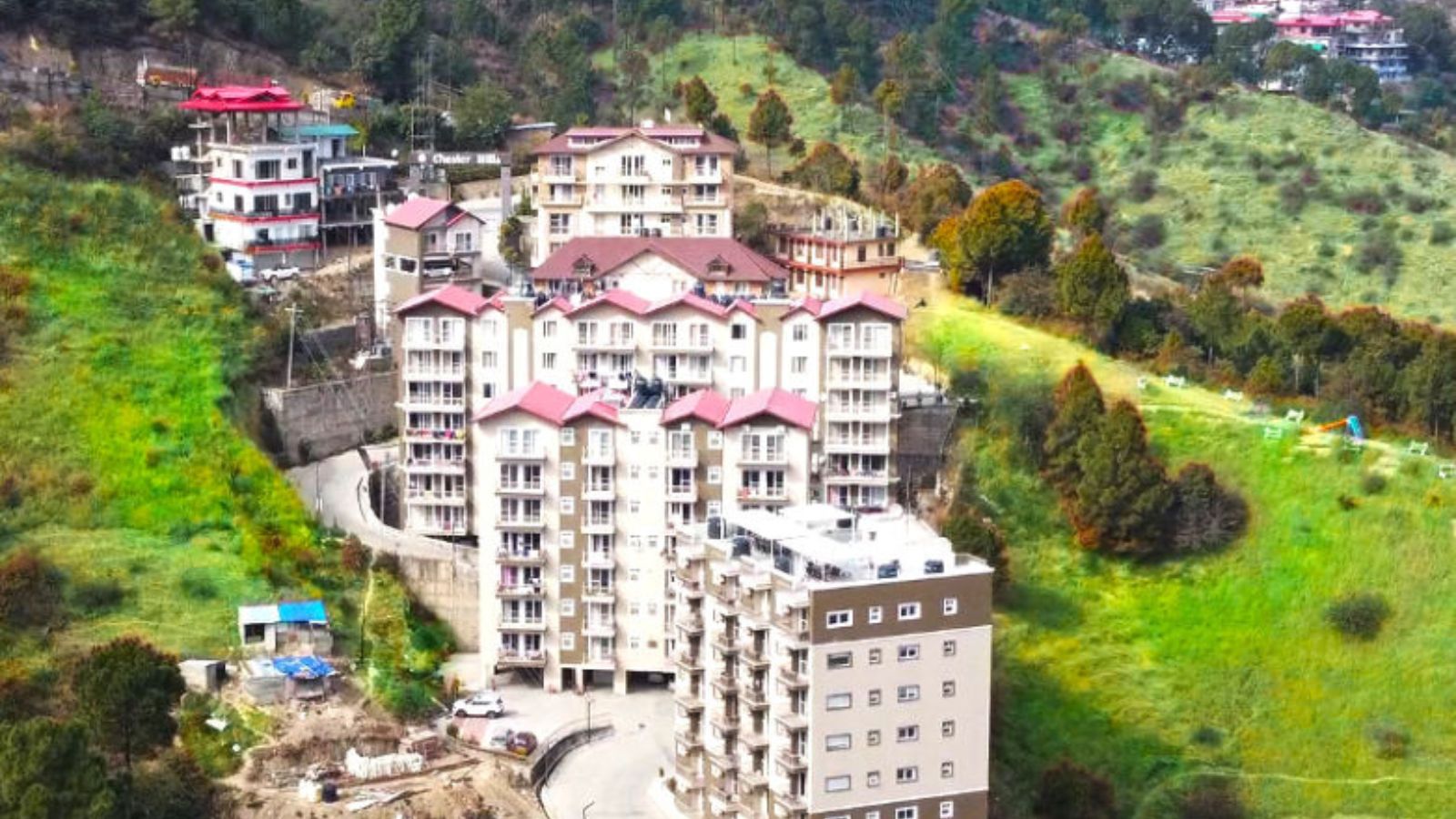
The Himachal Pradesh government has decided against a High Court judge-monitored probe into the Chester Hills project, stating that investigations are already underway for violations of a specific land reform act. Revenue Minister Jagat Singh Negi informed the state Assembly in response to questions from BJP MLA Sudhir Sharma about irregularities in the Chester Hills project.
According to Negi, complaints received by the department have led to an inquiry being conducted by the Deputy Commissioner of Solan district, Manmohan Sharma, and a Sub-Divisional Magistrate. A case for violating Section 118 of the Himachal Pradesh Tenancy and Land Reforms Act, 1972, has been filed before the District Collector in Solan.
Negi argued that there is no need for a judge-supervised inquiry, as the District Collector is legally competent to handle such complaints. Section 118 safeguards agricultural land rights, preventing non-agriculturists from purchasing such land without government permission. The Chester Hills project, approved by the Himachal Pradesh Real Estate Regulatory Authority, involves two housing developments facing allegations of benami transactions and non-agriculturist control over the projects.
The government's response also highlighted other large land registrations in Kangra and Shahpur tehsils, although the majority of these were registered under Section 118 for religious activities.
Written by urgent.news from The Indian Express's reporting — not their text. Machine-written — may contain errors; check the original before relying on it.
This story
This is one outlet's version. Read the fullest account.