Legal Action Stops Demolition of Buildings In Case There May Still Be People Alive Under Rubble
Colombian authorities are facing a painful dilemma in the aftermath of the country’s devastating Aug. 10 earthquake: How to make dangerously unstable buildings safe (or demolish buildings) without destroying evidence — or potentially endangering people who could still be trapped beneath the rubble. The 7.4-magnitude earthquake, centered near San Jose del Palmar in Choco, devastated […]
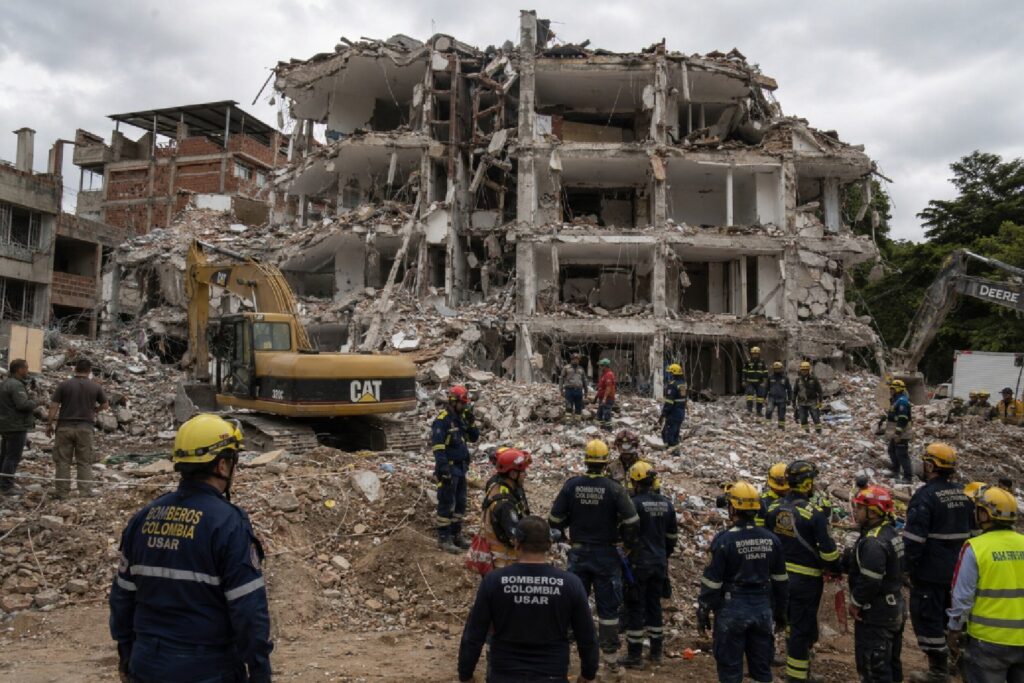
Colombian authorities faced a critical decision after the devastating earthquake on August 10 - whether to demolish earthquake-damaged buildings for safety reasons without risking finding survivors still trapped beneath the rubble. The 7.4-magnitude quake struck western and central Colombia, with Cali, Pereira, and Manizales suffering major damage.
By August 21, over 300 people had died, more than 4,000 were injured, and 262 remain missing, according to CNN, with estimated economic losses reaching 30 trillion pesos (US$9.6 billion).
This posed a significant dilemma, as authorities needed to balance the urgency of rescue operations with the need to remove buildings that could collapse without warning. A "tutela" legal action in Barranquilla ordered authorities to halt demolitions of earthquake-damaged structures where there was a possibility survivors could still be alive. However, the court allowed demolitions to proceed if structures posed an imminent risk of collapse.
Rescue teams had continued finding victims days after the disaster, with bodies still being recovered nearly a week later, and over 200 people still officially missing. Colombian authorities have prioritized search efforts, only allowing debris removal under strict protocols and after confirming no living person remained trapped.
Demolition decisions were made on a case-by-case basis, weighing the need for structural safety against the possibility of ongoing rescue efforts. Thousands of buildings across western Colombia were damaged or destroyed, with schools, health centers, and homes particularly affected.
The challenge for authorities extended beyond simply rebuilding damaged cities, as they needed to determine when it was safe to demolish buildings and when demolition must wait to avoid losing potential search sites. The race against time was critical, as survival chances typically decreased the longer rescue operations continued, while aftershocks and unstable structures posed additional dangers.
Written by urgent.news from Colombia One's reporting — not their text. Machine-written — may contain errors; check the original before relying on it.