Iran, US keep up hostile rhetoric ahead of new sanctions
The United States and Iran exchanged defiant messages ahead of Monday's scheduled announcement of new US economic sanctions .
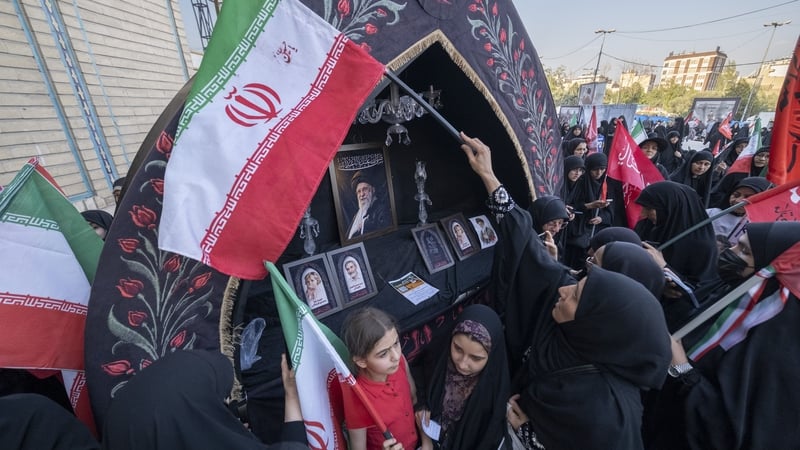
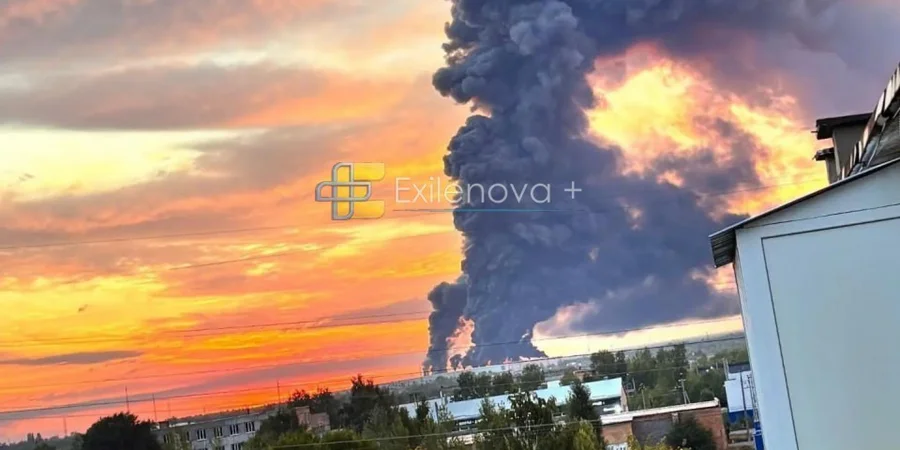
Iran has criticized the United States' plan to announce new sanctions that may further strain the nation's economy and impact its key trading partners, including China. Following six months of conflict between the US and Israel, who initiated airstrikes against Iran on February 28, no peace discussions are in sight. Oil deliveries through the Strait of Hormuz have effectively ceased, with Tehran warning of retaliation against unauthorized tankers attempting to pass through the crucial waterway.
Iran's economy is already heavily burdened by existing sanctions. US Treasury Secretary Scott Bessent is scheduled to address the press at 2pm EDT (7pm Irish time) on Monday, announcing the toughest sanctions yet on Iran. He has also called for collaboration with China, which purchases over 80% of Iran's shipped oil, according to 2025 figures from Kpler analytics.
China has advocated for diplomacy. Iran's Foreign Ministry spokesman, Esmaeil Baghaei, referred to the upcoming US announcement of economic sanctions as an "assertion of extraterritorial sovereignty over every independent member state of the United Nations." The head of Iran's armed forces, Major General Ali Abdollahi, has vowed a military response to enemy threats with "crushing, punishing and devastating" consequences.
US President Donald Trump has warned of economic repercussions for any country aiding Iran and expressed skepticism about the possibility of reaching a mutually beneficial agreement. While the US has imposed a blockade on Iranian vessels in their ports, the Strait of Hormuz remains congested, with only four cargo ships passing through on Thursday, none of which were large crude carriers or liquefied natural gas tankers.
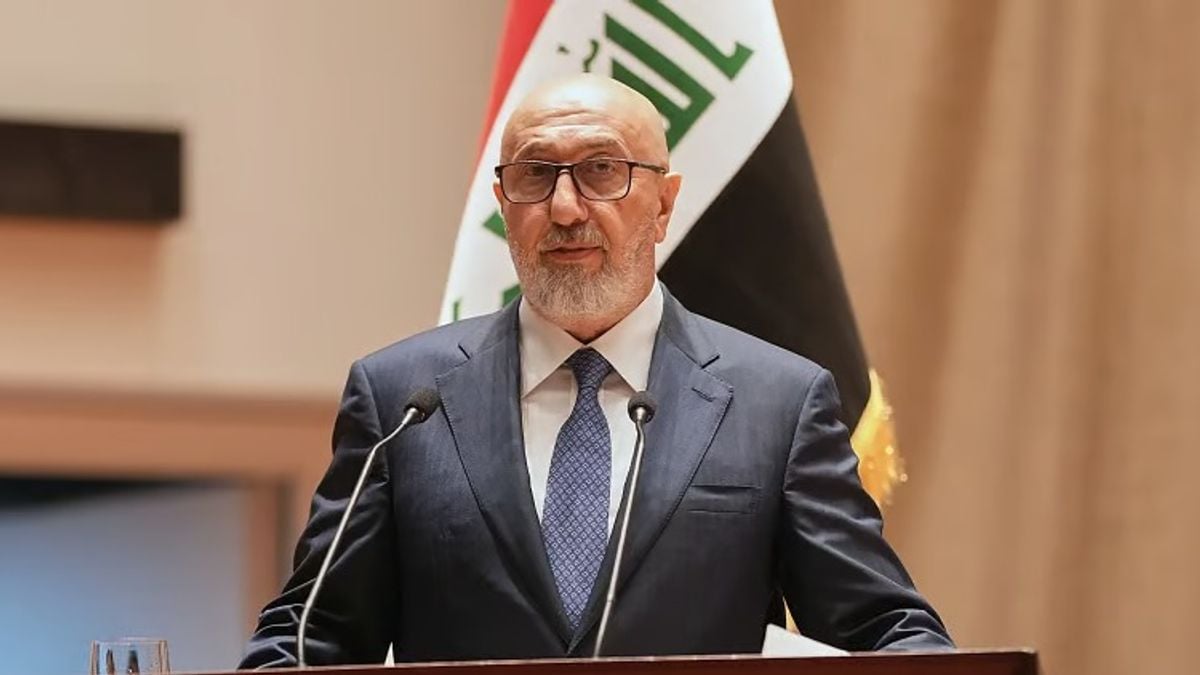
However, Iran has granted permission for Iraqi oil tankers to traverse the Strait following repeated requests from Baghdad, according to IRNA, Iran's state news agency. US Energy Secretary Chris Wright reported that US military assistance has managed to move an average of 8 million barrels a day of oil through the strait, a significant decrease from more than 20 million barrels per day before the war.
Iran's military capabilities, despite the damage inflicted by US attacks, remain sufficient to disrupt oil tanker traffic and target regional rivals. General Abdollahi highlighted Iran's missile and drone capabilities during a visit to a facility producing ballistic missiles. Iran's parliamentary speaker, Mohammad Baqer Qalibaf, reported receiving numerous messages from neighboring nations regarding the establishment of new regional security arrangements and economic cooperation.
He accused the US of endangering the security of allies in the region for the sake of Israel, stating that an independent regional order would bring peace and security. US President Trump has yet to achieve his initial war objectives, such as dismantling Iran's nuclear program, which remains uncertain due to the absence of UN inspectors since 2025, and creating conditions for Iranians to overthrow their clerical rulers.
Written by urgent.news from RTE News's reporting — not their text. Machine-written — may contain errors; check the original before relying on it.
This story
This is one outlet's version. Read the fullest account.