In the Wake of a Toxic Disaster, Roseland Parents Still Struggle to Keep Their Children Safe
This story was originally published by Capital B and is reproduced here as part of the Climate Desk collaboration. As a young boy in the 1960s, almost every weekend Elbert McGee walked a half-mile with his father through the wooded streets of Roseland, Louisiana, to the Tangipahoa River. There, he learned to swim and fish for bass, crappie, and the […]
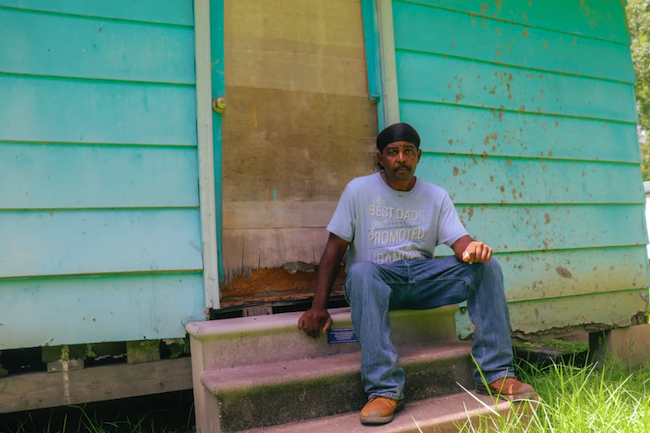
In the aftermath of a toxic disaster that occurred on August 22, 2025, at Smitty's Supply, an oil facility located in the predominantly Black town of Roseland, Louisiana, parents are struggling to keep their children safe. The explosion released approximately 12 million gallons of oily liquid and chemical waste into the Tangipahoa River, which caused significant damage to homes, schools, and playgrounds.
One year after the incident, Elbert McGee, a long-time resident of the town, still lives in the house where he was raised. However, he no longer takes his children fishing in the river. Instead, he drives three hours to Grand Isle to pursue the activity. The disaster has led to severe nosebleeds in McGee's 15-year-old son, Markel, and a respiratory illness in a friend battling cancer. Despite the initial dismissal from a doctor, McGee suspects the events may be linked to the explosion.
As a parent, McGee is faced with the challenge of protecting his children from harm while living in a community where they cannot escape the toxic environment. Research shows that Black children in the US are more exposed to environmental toxins like lead, air pollution, and pesticides than children of any other race. This constant threat to their health has turned everyday parenting into an act of defense.
McGee and other Roseland parents are left with the question of what it means to be a parent when they cannot stop harm from reaching their children. They are forced to become informal toxicologists and medical advocates while still trying to provide for their families and ensure their children's well-being. With limited government support and the average income in Roseland being just over $17,000 annually, many households have been left to fend for themselves in cleaning their properties and dealing with the consequences of the disaster.
Written by urgent.news from Mother Jones's reporting — not their text. Machine-written — may contain errors; check the original before relying on it.