In 1921, New York moved a New Jersey lighthouse to the Hudson; a book saved it
In 1921, a lighthouse from New Jersey was relocated to the banks of the Hudson River. Although it once played a crucial role in navigation, the construction of the George Washington Bridge overshadowed its significance. However, a beloved children's book published in 1942 turned the lighthouse into a cultural treasure. Thanks to public protests in 1951, the structure was preserved, becoming a…
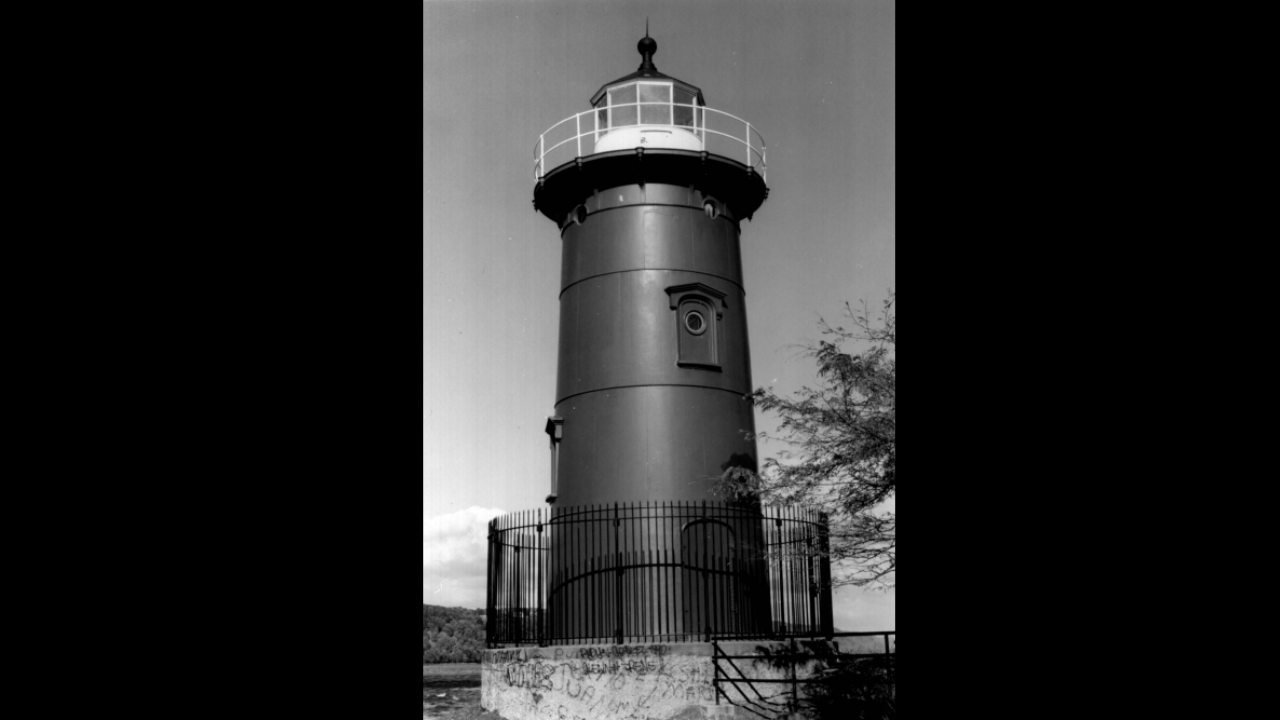
In 1921, the cast-iron Little Red Lighthouse was relocated from Sandy Hook, New Jersey, to Jeffrey's Hook in the Hudson River, near Manhattan. Built in 1880, the lighthouse originally served as the North Hook Beacon at Sandy Hook before being dismantled and moved to Jeffrey's Hook as a navigational aid. The move took place due to the construction of the New York State Barge Canal system, deeper Hudson shipway, and plans for the Port of Albany.
The lighthouse operated from 1921 to 1947, initially with a red acetylene lamp flashing every three seconds and a bell fog signal.
However, the lighthouse's prominence as a navigational aid was overshadowed by the construction of the George Washington Bridge, which rose above it in the late 1920s. The bridge, completed between 1927 and 1931, further diminished the lighthouse's role in navigation. Despite this, the Little Red Lighthouse continued to operate until 1947.
A children's book published in 1942, "The Little Red Lighthouse and the Great Grey Bridge" by Hildegarde H. Swift, saved the lighthouse from being demolished. The story, illustrated by Lynd Ward, portrayed the lighthouse as a character struggling with its sense of importance in the presence of the towering bridge. The narrative connected children and adults to the lighthouse, making it a beloved landmark.
In 1951, when the lighthouse was planned to be sold as surplus property, the children and adults' campaign to save it emerged, turning the tower into a child's landmark.
The campaign's success led to the Little Red Lighthouse being transferred to New York City's Department of Parks on July 23, 1951. Since then, the lighthouse has served as a beacon not only to ships but also to children, becoming one of New York's most unusual landmarks. Recognized as a historic site in 1979 and restored during the 1980s, the lighthouse remains a distinctive corner of Manhattan, standing 40 feet high beneath the towering George Washington Bridge.
Written by urgent.news from Times of India's reporting — not their text. Machine-written — may contain errors; check the original before relying on it.