How the sugar crisis has put a tax on Bengali happiness
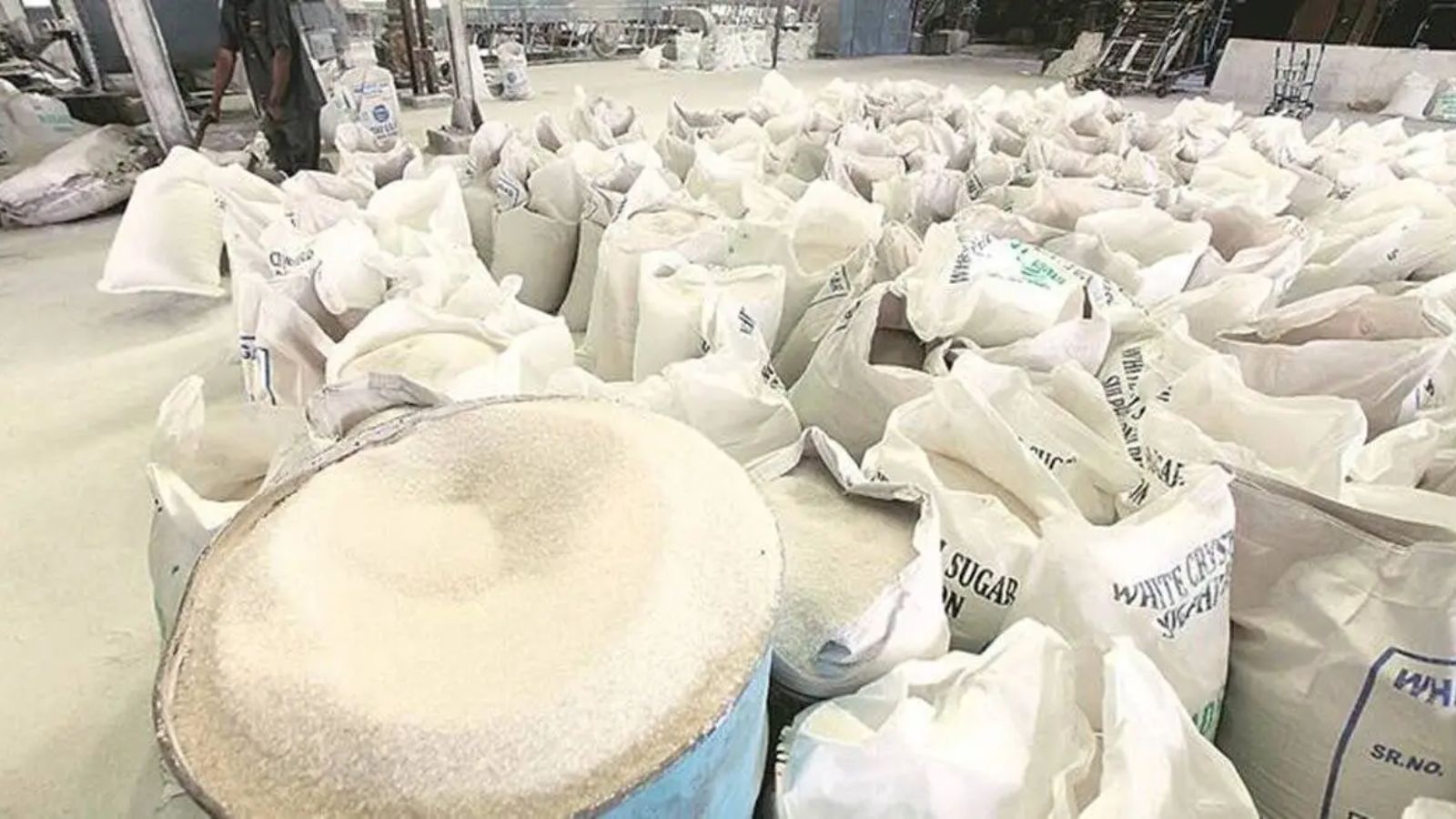
A striking question emerges amid India's present sugar crisis: how does a culture fare when its inexpensive expression of affection becomes pricier? India's sugar prices surged by nearly 40% within two months, prompting the government to waive import duties and extend duty-free imports for raw sugar until October 31. While this might seem like a routine business story, sugar holds a unique place in Bengal, where it's integral to celebrations such as weddings, births, and pujas.
In Bengal, sweets are not just a treat; they are a language, universally accessible and affordable. When sugar gets expensive, the impact extends beyond kitchens, affecting participation in cultural rituals. For some families, a minor increase in cost might mean fewer sweet boxes for weddings or exclusion of neighbors. The problem is often termed cultural inflation or a tax on participation, rather than income.
Bengal has faced such challenges before. In 1965, a milk shortage led to a ban on rosogolla and other chhana-based sweets in Calcutta, crippling a trade that employed thousands. The government's intervention backfired, leading to protests, a black market, and the marginalization of skilled sweet makers. While a similar ban hasn't occurred this time, the sugar crisis represents a subtler threat to Bengali culture.
The Geographical Indicator tag for "Banglar Rosogolla" secured in 2017 signifies not just a dessert but a symbol of pride and commerce for Bengalis.
As sugar prices rise, moira, the sweet makers, are left with few options: raise prices and lose customers, absorb the cost and reduce profits, or scale back production and the quality of the sweet. Ultimately, the challenge is preserving Bengali traditions in a market that's becoming increasingly inaccessible. The culture might not vanish overnight, but it will become less available, one sweet at a time.
Written by urgent.news from The Indian Express's reporting — not their text. Machine-written — may contain errors; check the original before relying on it.