Hands On series: stories that build change
How does a community adapt to challenging times? A tiny home built to withstand floods. Ancient floating gardens bringing a canal back to life. Giant fishing nets and the people working to protect a threatened tradition. Across Bangladesh, Mexico and Thailand, communities are finding practical ways to protect their homes, food systems, waterways and livelihoods. […]
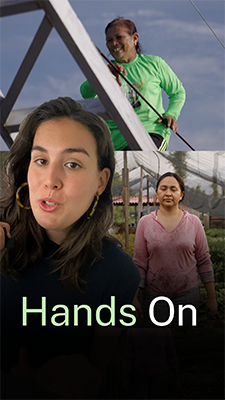
Across Bangladesh, Mexico, and Thailand, communities are adopting innovative methods to safeguard their homes, food systems, waterways, and livelihoods during a changing world. In Bangladesh, families are constructing flood-resistant homes to protect themselves and their food supplies during intense monsoon seasons. Meanwhile, in Mexico City's Xochimilco, farmers are revitalizing ancient floating gardens to enhance water quality, promote local food production, and provide habitat for the endangered axolotl.
In Thailand, fishers and researchers are mapping their unique lake and constructing fish shelters to protect a traditional giant lift-net fishing practice threatened by pollution. These stories form the basis of "Hands On: Stories That Build Change," a Mongabay video series exploring community-led environmental action in a world in flux.
Written by urgent.news from Mongabay's reporting — not their text. Machine-written — may contain errors; check the original before relying on it.