GMO maize threat to Pakistan’s emerging maize industry
ISLAMABAD: Pakistan’s emerging maize industry could face a serious threat to its home-grown seed sector if Genetically Modified (GMO) maize is commercially cultivated in the country, as stakeholders have warned that cross-pollination could permanently contaminate non-GMO varieties and undermine years of local seed research and development. Former Pakistan Tobacco Board Secretary Khan Faraz, in a…
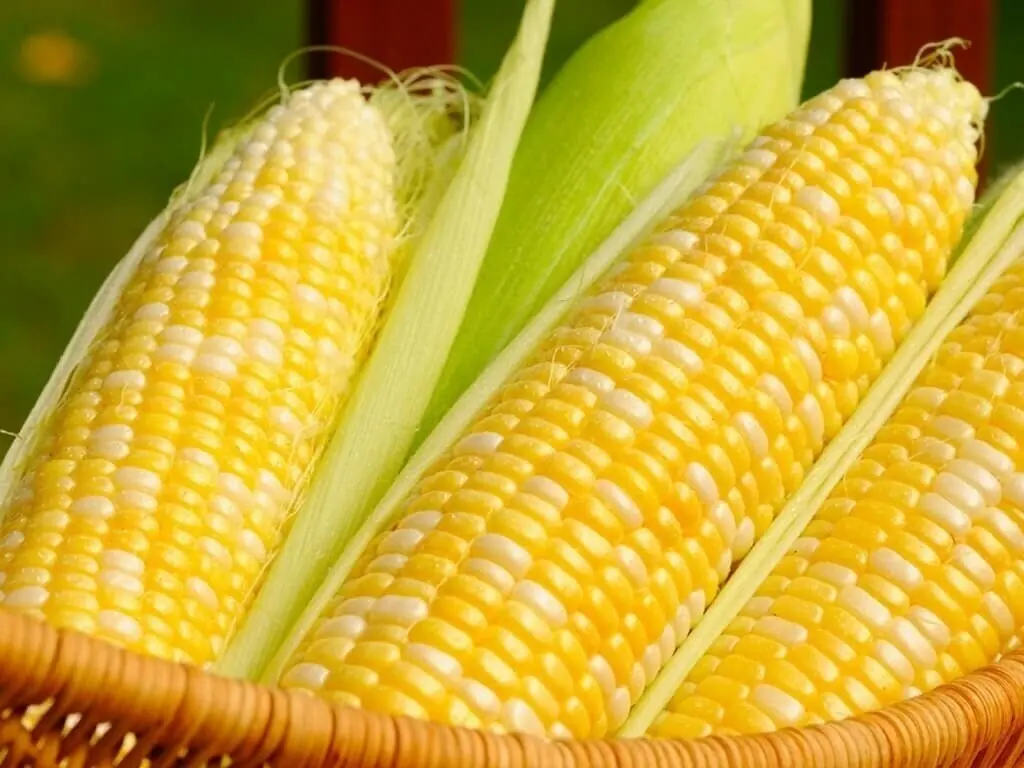
Islamabad: Pakistan’s nascent maize industry faces potential peril if genetically modified (GMO) maize is commercially grown, warn industry stakeholders. They fear cross-pollination could lead to permanent contamination of non-GMO varieties, eroding years of local seed research and development. Khan Faraz, ex-secretary of Pakistan Tobacco Board, emphasizes that Pakistan has built a robust hybrid maize sector and argues that preserving locally produced hybrids is beneficial for both farmers and consumers.
Maize is Pakistan's third-largest cereal crop after wheat and rice, with significant productivity gains and among the highest yields in the region. Faraz emphasizes that maize is a key cash crop, widely available in the country, and boasts one of the highest per-acre yields in South Asia. He asserts that Pakistan should continue relying on locally produced hybrid maize.
The issue gained prominence as GMO technologies are increasingly promoted globally for creating resilient crops. Conventional breeding typically produces locally adapted seeds by crossing plants with desired traits. However, climate change and harsh conditions have pushed multinational firms to promote GMO technologies, promising faster development of hardier crops.
The Pakistan High-tech Hybrid Seed Association warns that the risk from foreign GMO maize is "real" and irreversible. They argue that once GMO maize is introduced, its pollen could spread via wind, crossbreeding non-GMO varieties and causing irreversible contamination. The association fears that commercial approval of GMO maize could contaminate locally developed varieties, harming Pakistan's public and private seed research and development infrastructure.
They maintain that the uncontrolled spread of GMO pollen could jeopardize the cultivation of non-GMO maize, weakening Pakistan's indigenous seed industry that has taken years to develop.
Written by urgent.news from Business Recorder's reporting — not their text. Machine-written — may contain errors; check the original before relying on it.