Beyond storage: Why the smartest supply chains now begin in the warehouse
For decades, warehousing was largely viewed as a necessary cost of doing business. Warehouses were designed to receive inventory, store pallets and dispatch products when required. That view no longer reflects reality. Today, the warehouse sits at the heart of the customer experience, business resilience and competitive differentiation. In an economy shaped by e-commerce, regionalisation and…
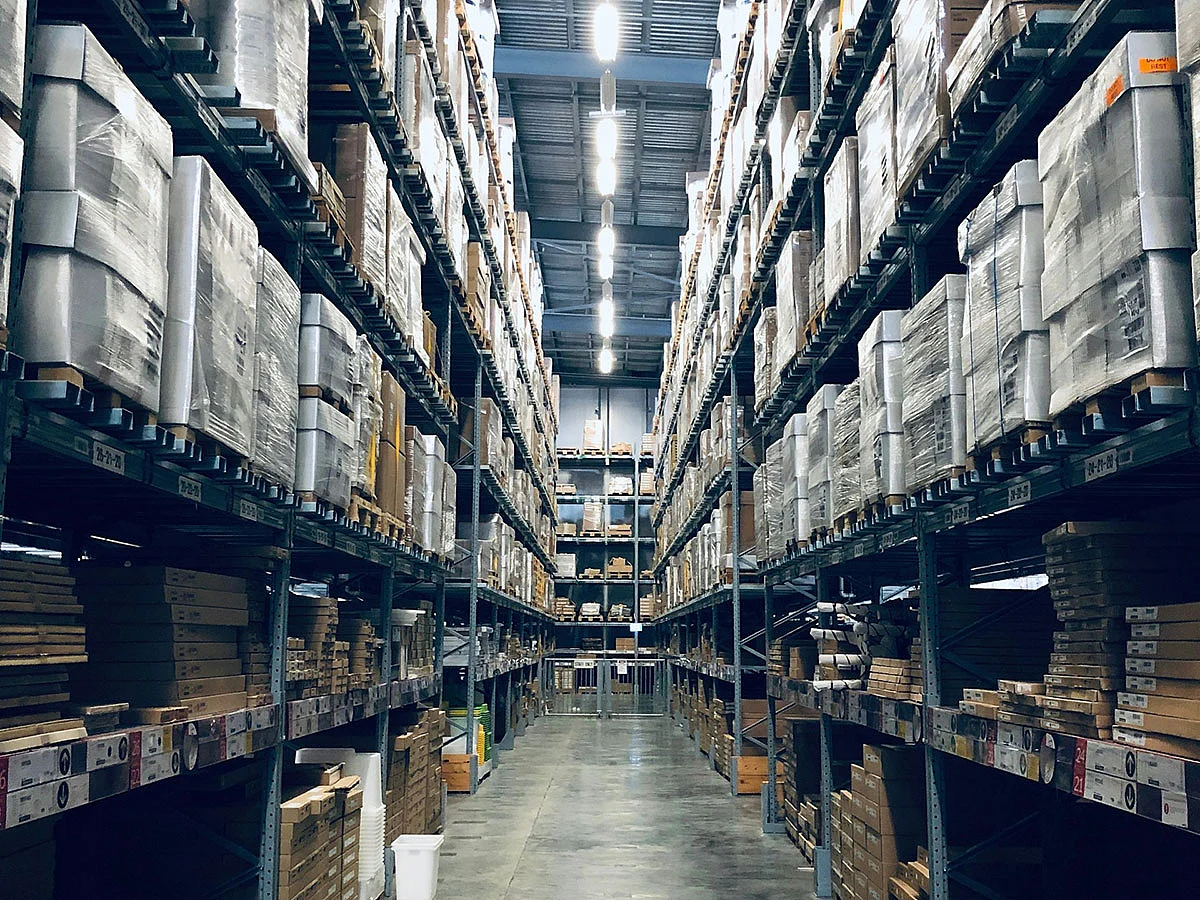
For decades, warehouses were regarded as a necessary but inconsequential cost of business operations, primarily focused on receiving inventory, storing pallets, and dispatching products upon demand. However, the modern warehouse has evolved into a central hub that drives customer experience, business resilience, and competitive differentiation.
In an economy characterized by e-commerce, regionalization, and rising customer expectations, warehouses have become far more strategic than ever before. Today, instead of handling pallets filled with thousands of identical products, warehouses process millions of individual items, each dispatched to a specific customer with unique delivery expectations.
As businesses reconsider where inventory should be located, the trend is increasingly leaning towards establishing regional hubs over relying solely on distant global distribution centers. This shift is particularly evident in the Middle East, where investments in strategically placed logistics hubs around ports, airports, and free zones are accelerating.
While speed remains crucial in today's fast-paced world, customer expectations have expanded beyond mere timely delivery. Industries such as pharmaceuticals and healthcare, where errors can have severe consequences, emphasize the importance of delivering the right product, in perfect condition, at the right time. This necessitates a fundamental reassessment of warehouse design and operations.
The integration of artificial intelligence, robotics, and automation holds immense potential, but organizations must first establish a solid operational foundation, particularly in terms of clean, standardized, and interconnected data. Without this foundation, even advanced automation projects are unlikely to yield significant benefits.
Once the data foundation is in place, digital tools transform from mere experiments into powerful enablers, allowing warehouses to become more adaptable and responsive to fluctuating demand. This dynamic responsiveness is crucial, especially during peak seasons, which historically require extensive workforce planning, recruitment, and training to accommodate sudden surges in order volumes.
Large regional distribution centers will continue to play a crucial role, providing economies of scale and supporting international trade. However, smaller urban fulfilment facilities located closer to customers are also gaining prominence. Grocery, consumer electronics, and other fast-moving sectors have demonstrated how proximity can significantly enhance responsiveness, enabling same-day and next-day delivery expectations.
By 2030, the food logistics market in the UAE is projected to reach $100 billion, positioning the country at the heart of regional supply chains. Modern warehousing is a highly specialized field that demands engineering expertise, sophisticated process design, operational excellence, and deep sector knowledge. The type of warehouse required for fashion retail differs significantly from that needed for pharmaceuticals or industrial manufacturing.
One emerging trend that adds complexity to the logistics landscape is the scarcity of suitable warehouse space in strategically located areas. While free zones continue to be attractive, the demand for hyperlocal facilities near urban centers is on the rise as businesses seek faster fulfillment and greater market proximity. This scarcity underscores the fact that the right warehouse location is no longer just an operational consideration; it has become a competitive advantage in its own right.
In conclusion, modern warehouses are no longer just storage facilities. They represent a strategic investment in customer promises, resilience, and competitive advantage. As supply chains become increasingly complex, the access to the right logistics footprint, including strategically located warehouses, becomes an increasingly valuable asset for businesses seeking to optimize their supply chain operations.
Written by urgent.news from Gulf News's reporting — not their text. Machine-written — may contain errors; check the original before relying on it.