Generasi pascareformasi ujian sebenar PKR, kata penganalisis
Ahmad Zaharuddin Sani Ahmad Sabri berkata parti itu perlu membina identiti dan tawaran politik yang dekat dengan pengundi muda.
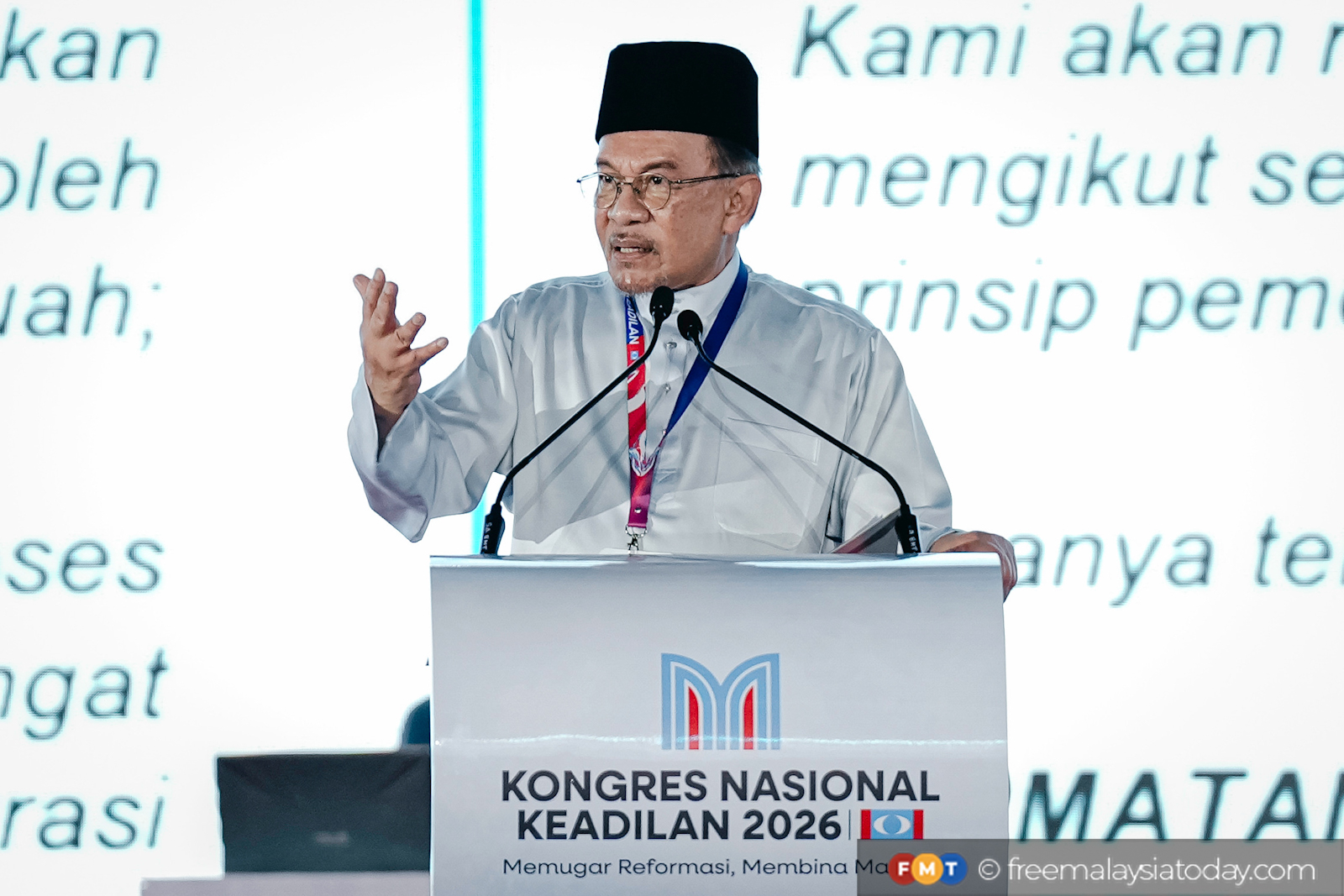
Analysts caution that the party's biggest challenge in finding a successor to Anwar Ibrahim is not merely identifying a younger figure, but creating a political identity that resonates with a generation of voters who have no emotional connection to the 1998 Reformasi movement. Ahmad Zaharuddin Sani Ahmad Sabri argues this concern is growing, as today's younger generation identifies politics through issues directly impacting their lives, rather than the experiences of a two-decade-old political struggle.
"They identify politics through TikTok, living costs, job opportunities, housing, education, AI, and the future," he tells FMT. The PKR refers to the time after Anwar's arrest almost 28 years ago during Dr Mahathir Mohamad's rule, which led to the formation of PKR, one of the key components of the unity government Pakatan Harapan (PH).
The ISEAS-Yusof Ishak Institute's research on PRU15 found the majority of constituencies where at least 30% of voters were under 30 years old were won by the Perikatan Nasional (PN), followed by PH and the Barisan Nasional (BN). Bridget Welsh's analysis, cited by Bernama previously, also noted a 75.6% voter turnout among those aged 18-30 in PRU15, indicating the significant influence this group has on election outcomes.
Zaharuddin suggests that the party has not yet identified a potential leader who could play a bigger role, mentioning names like Deputy President Amirudin Shari, who has a track record in administration as Selangor's chief minister, and Communications Chief Fahmi Fadzil, who is strong in communication. "Saifuddin Nasution Ismail, the vice president who holds the position of acting president, also has organizational experience, while Tengku Zafrul Aziz, former chairman of PKR's political bureau, comes from both corporate and government sectors.
However, no one has yet clearly displayed the combination of identity, charisma, narrative, and national mandate required to emerge as PKR's face after Anwar," he says. Oh Ei Sun, from the Singapore Institute of International Affairs (SIIA), also agrees that no current PKR leader has a strong image as Anwar's successor. He suggests that the party's caution in identifying a clear successor is likely something Anwar has learned from Mahathir, who was not subtle about pushing for his return to the top when it became clear he was increasingly pushing for power.
"He is very careful to ensure no clear successor emerges in the party, as he has often been at odds with potential replacements. This might be something he learned from Mahathir, who, without hesitation, began pushing for his elevation," Oh notes. While Oh does not name any former PKR leaders, he suggests Anwar's cautious approach to succession planning resembles lessons he learned from Mahathir's methods.
Written by urgent.news from Free Malaysia Today's reporting — not their text. Machine-written — may contain errors; check the original before relying on it.
Also reported by 1 other outlet
- Generasi pascareformasi ujian sebenar PKR, kata penganalisis freemalaysiatoday.com