From border watch to deep strikes: Army raises first Baaz drone battalion
The Army has established its first dedicated drone battalion, the Baaz Battalion, along the western front. This new unit will operate under the Vajra Corps, overseeing sensitive border areas in northern Punjab. The Army is integrating more drones across various units for combat and support roles. Infantry battalions are receiving Ashni platoons, and artillery will induct Divyastra batteries.
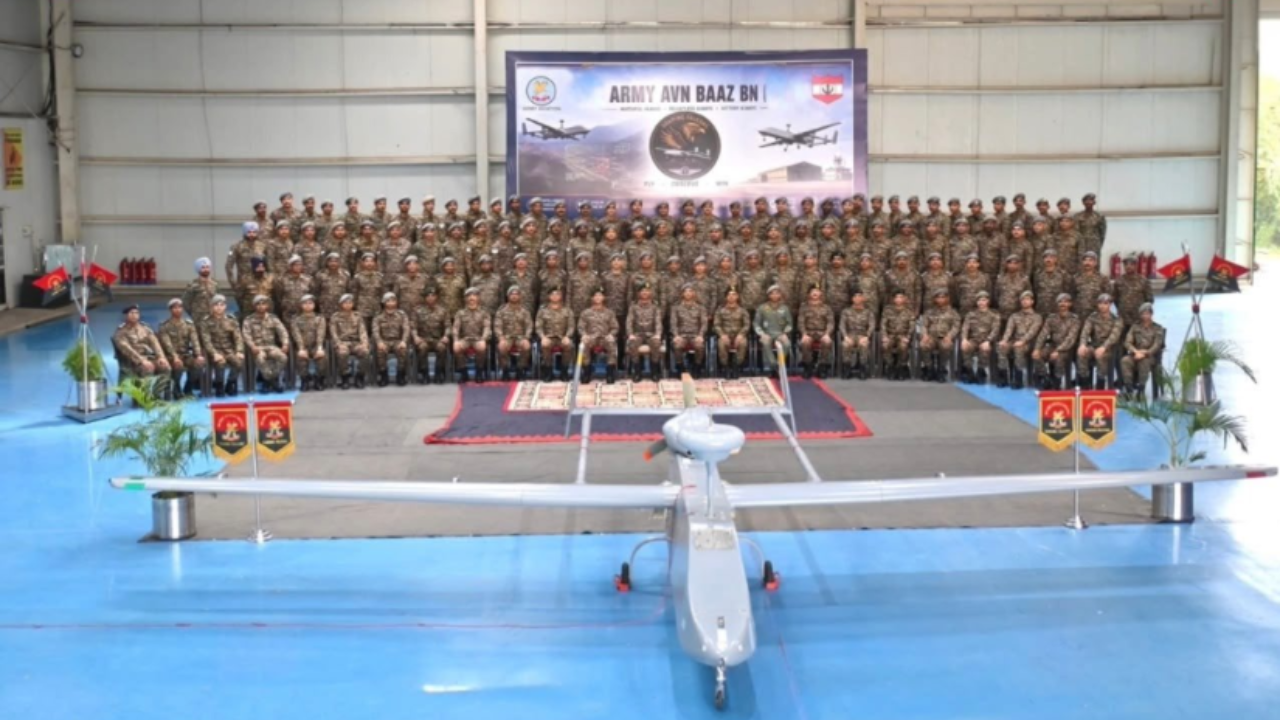
The Indian Army has established its inaugural drone battalion, christened the Baaz Battalion, along the western frontier with Pakistan, signifying a substantial evolution in the force's post-Operation Sindoor strategy. Based in Jalandhar and under the command of the 11 Corps, this battalion will oversee some of the most intricate border segments in northern Punjab, a region notorious for intense clashes during the 1965 and 1971 full-scale wars with Pakistan.
The term "Baaz" - hawk in Hindi - was chosen deliberately, as it encapsulates the bird's perceptive vision, extended-range tracking, and pinpoint accuracy in target identification. This battalion will oversee large swathes of the border, a task it performed in the past, drawing valuable intelligence to bolster battlefield decisions.
As part of the broader Army initiative, a range of drones are being integrated, including Ashni platoons in infantry battalions for reconnaissance and offensive operations, and artillery units will receive Divyastra batteries and Shaktiban regiments equipped with drones capable of reaching deeper into hostile territory. These units will also be equipped with loitering munitions that can cause damage deep behind enemy lines.
The Armoured Corps is exploring Shaurya squadrons to improve the capability of armoured units to conduct reconnaissance, defensive, and offensive operations more effectively with aerial support. The Baaz Battalion, unlike smaller drone units within infantry units, will operate at a larger scale, managing diverse drone platforms from long-endurance UAVs like the American MQ-9B to Israeli Heron and Hermes.
Collectively, these platforms will offer frontline commanders persistent surveillance, deep-penetration reconnaissance, and real-time situational awareness, both over border areas and deeper into enemy territories. This enhanced capability will provide a comprehensive picture of the adversary's order of battle and its movement in time and space, especially during dynamic and evolving battle scenarios.
The Baaz Battalion will work in conjunction with existing capabilities, forming a unified, standardized command structure. The Army aims to sustain a rapid operational tempo while ensuring the influx of data from a diverse drone fleet is processed promptly enough to be tactically useful. This will largely be facilitated by AI-based battlefield decision-support systems, which will prioritize information to support and shape operations.
The rationale behind this move is rooted in recent operational experiences, notably the prolonged border standoff with China and the tactical outcomes of Operation Sindoor against Pakistan. The Army believes that these lessons will prove invaluable as they navigate the increasingly complex drone ecosystem of the modern battlefield. The exact number of battalions to be raised is yet to be determined, but the model is expected to be replicated across other field formations in time.
Written by urgent.news from Times of India's reporting — not their text. Machine-written — may contain errors; check the original before relying on it.