Canada’s PM hits back with new US tariffs after trade talks fail
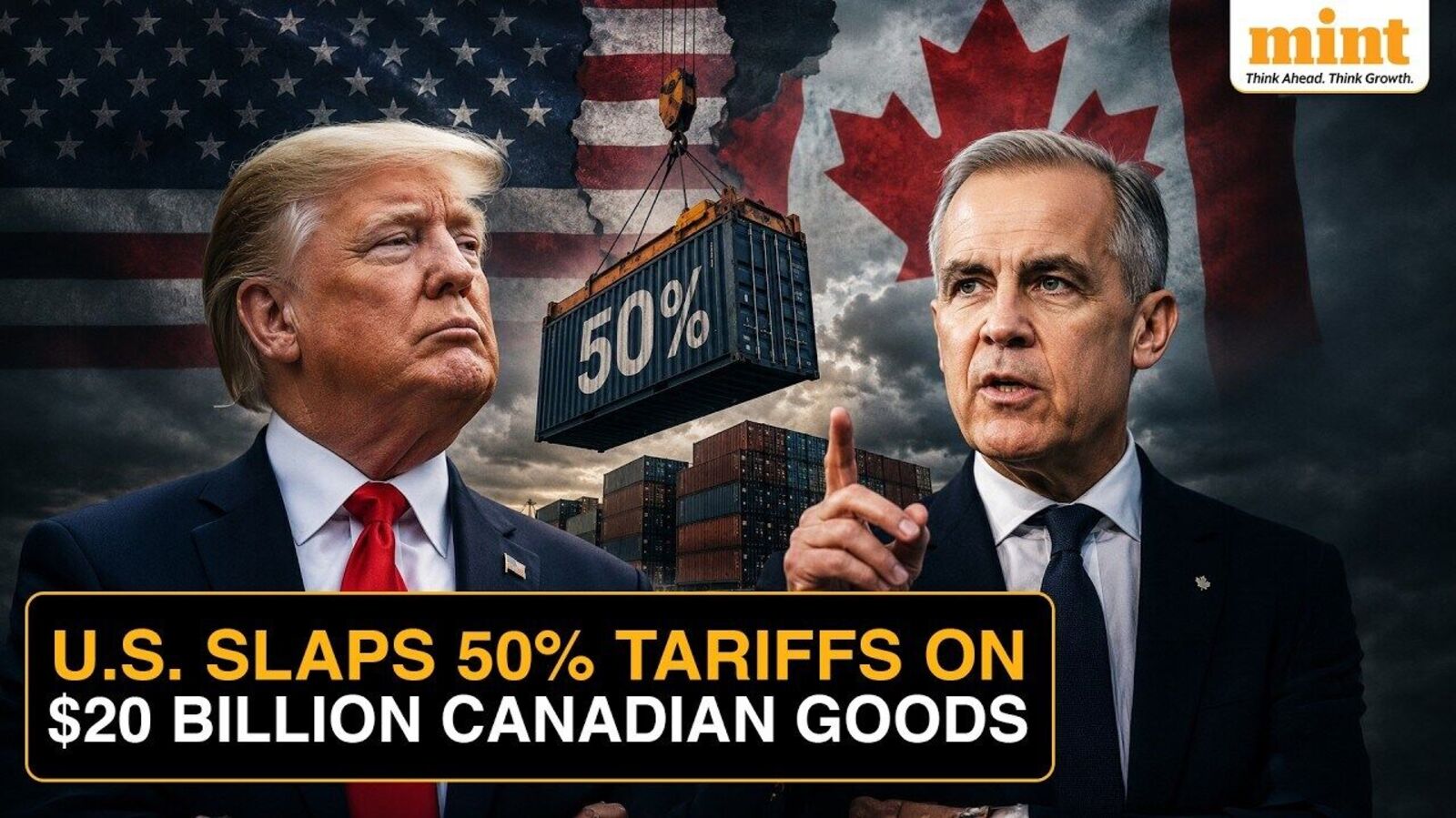
Canadian Prime Minister Mark Carney said on Saturday he would slap retaliatory tariffs on the United States after walking away from a “bad deal” on trade, deepening the rift between the long-time allies. Negotiations between the neighbouring countries broke down on Friday in Washington, allowing new 50 per cent US tariffs impacting some US$20 billion worth of goods, or 5.5 per cent of Canadian…
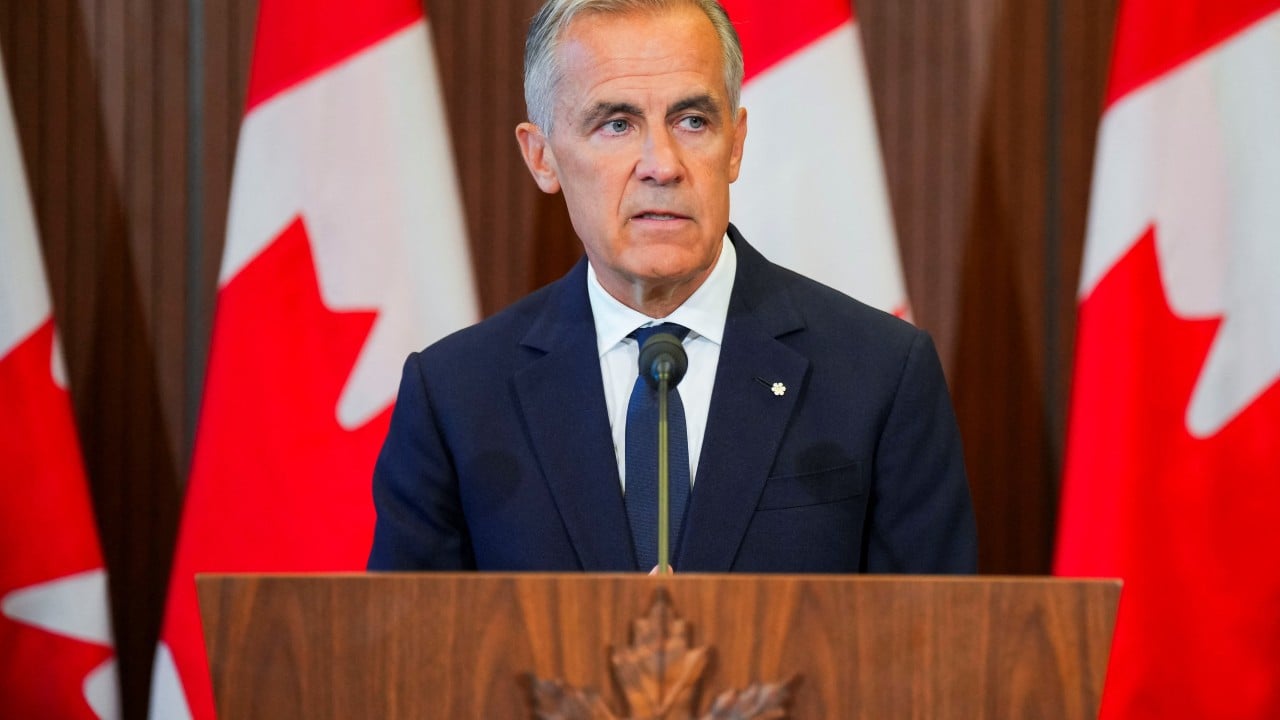
Canadian Prime Minister Mark Carney announced on Saturday that his country would implement retaliatory tariffs on the United States in response to a "bad deal" on trade, escalating tensions between the longstanding allies. The negotiations between Canada and the United States concluded on Friday in Washington, resulting in the imposition of new 50% US tariffs on approximately US$20 billion worth of goods, or 5.5% of Canadian exports to the United States.
These tariffs affect a wide range of products, including hockey sticks and cement. In his remarks in Ottawa, the Canadian capital, Carney stated that the US had set conditions that were economically unjust, unfair, and detrimental to Canada's net benefits. He accused the US of launching a trade "war" when it demanded too much and offered too little.
The new Canadian tariffs, set to take effect on September 8, will largely target the US steel and dairy industries. US Trade Representative Jamie Jamieson Greer had previously informed Washington of offering "significant tariff reductions on steel, aluminium, autos and lumber" in exchange for concessions from Canada. A senior US official described the talks as open and not acrimonious, but claimed there were no further scheduled meetings.
Canada has been seeking relief from Trump's tariffs on cars, steel, and aluminium, which have adversely affected the country's economy, led to job losses, and damaged a once robust trade relationship. Canadian negotiators had been present in Washington throughout the week to finalize a deal that aimed to address various issues. The US has accused Canada of treating US products "discriminately", including alcohol, automobiles, and dairy products, leading to the imposition of the tariffs.
The tariffs were initially set to begin on Wednesday, but were delayed by three days by President Trump, citing significant progress in negotiations. Trade experts predict that both sides will face immense pressure in the coming days to find a way to end the trade dispute. Additionally, Canada and the US must still reach an agreement on revisions to the North American Free Trade Agreement (USMCA), which President Trump declined to renew in its current form.
Bilateral relations have also been strained by Trump's repeated threats to make Canada the 51st US state. Prime Minister Carney acknowledged that relations with the United States have changed fundamentally and that Canada must reduce its dependence on the United States, which accounts for roughly 70% of Canadian exports.
Written by urgent.news from South China Morning Post's reporting — not their text. Machine-written — may contain errors; check the original before relying on it.
This story
This is one outlet's version. Read the fullest account.
- Trump’s trade war with Canada: A timeline of how we got here apnews.com
- Trump’s trade war with Canada: A timeline of how we got here winnipegfreepress.com
- Canada risks falling behind with tepid approach to African trade: South Africa envoy toronto.citynews.ca
- Canada PM says 'cannot accept' what US asked for on trade gulfnews.com
- Canada to hit back with retaliatory tariffs after US trade talks fail dw.com
- The trade war between the U.S. and Canada is escalating after talks collapsed qz.com
- Trump's Canada trade war: How we got here economictimes.indiatimes.com