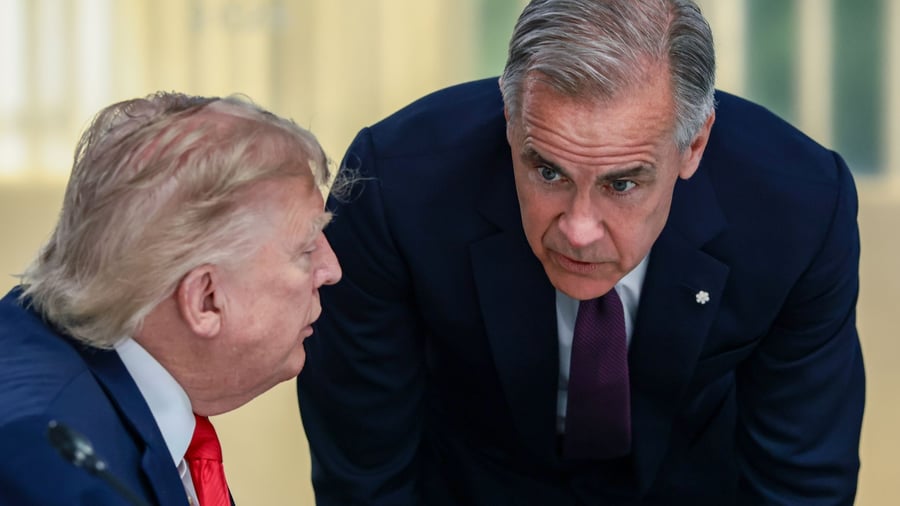
Can Carney keep up? Canada cancels trade talks with US - what's at stake
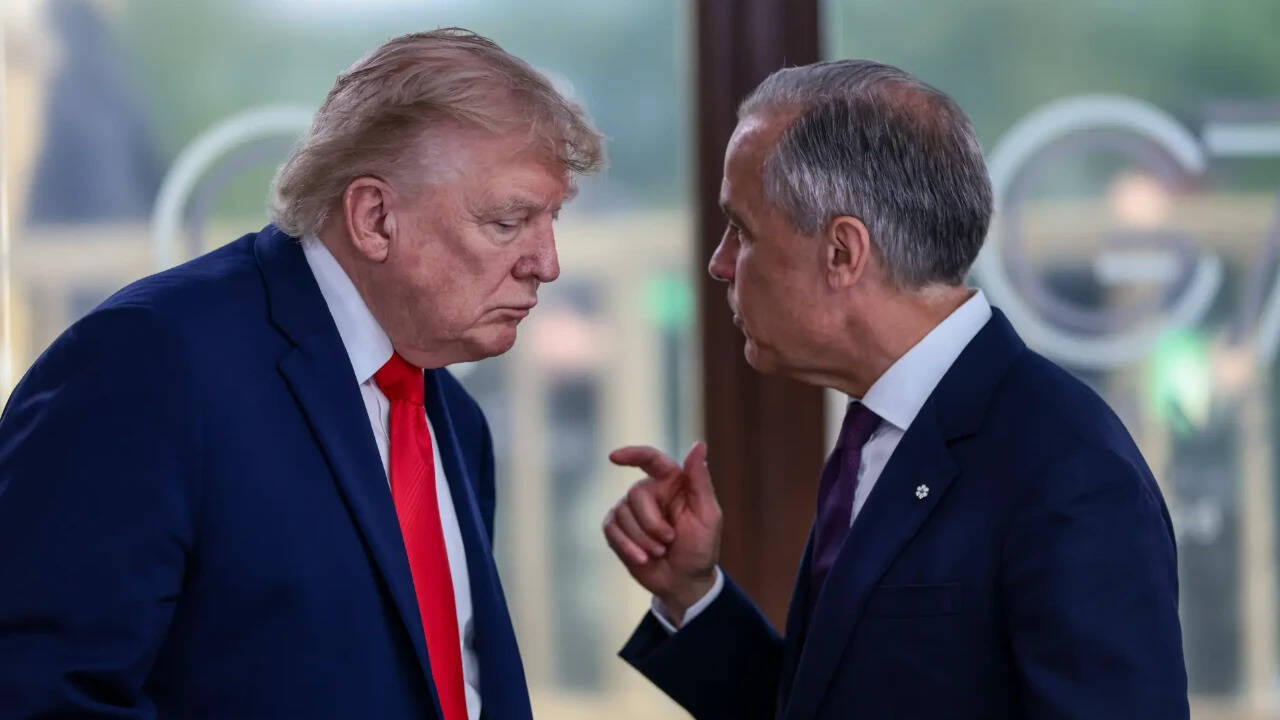
Canadian Prime Minister Mark Carney abruptly ended trade negotiations with the United States, citing Washington's "requests that were too demanding and offers that fell short." Following Carney's exit, President Donald Trump retaliated by imposing a 50% tariff on approximately $20 billion worth of Canadian imports. In response, Canada announced retaliatory tariffs targeting various US goods, including steel, dairy, appliances, agricultural equipment, pulp and paper, and electronics, set to begin on September 8.
This sudden change signals a significant shift in the long-standing close economic relationship between Canada and the US. The two countries have frequently clashed over trade issues, including softwood lumber, dairy, and market access. However, the escalation in tariffs marks a dramatic turn in their relationship. Canada now relies on the US for roughly three-quarters of its exports, with total trade between the nations amounting to about $880 billion last year.
The relationship has undergone a drastic transformation since Trump took office. He has used tariffs as a central part of his economic policy and has even suggested Canada could become the "51st state." Carney has acknowledged that the old relationship is unlikely to return, stating that Canada must become more self-reliant. The latest confrontation highlights this shift, with Canada promising dollar-for-dollar retaliation to the latest tariffs.
The immediate economic impact of the tariffs may be smaller than the headline 50% figure suggests, as they only cover about 5% of Canadian exports to the US. However, the targeted goods include essential products like hockey equipment, clothing, cement, dairy, and forestry products. The Canadian Chamber of Commerce has warned that these tariffs could be a "body blow" to North American competitiveness and cost over 90,000 jobs.
Canada has proposed C$25 billion in financial assistance for affected businesses, but retaliatory tariffs will also make some American goods more expensive for Canadians. As a result, Canada relies heavily on US supply chains, and manufacturers may struggle to replace American inputs with products from other sources. Ontario Premier Doug Ford has called for a broader range of industries, including critical minerals, steel, and nickel, to be added to the trade dispute.
However, Carney has been hesitant to threaten oil and gas exports, fearing the damage it could cause to Canada's reputation as a reliable supplier.
The North American trade framework, represented by the United States-Mexico-Canada Agreement (USMCA), which replaced NAFTA in 2020, could also be at risk. The Trump administration previously refused Canada's request to extend the agreement for another 16 years. The latest escalation makes the long-term future of this agreement increasingly uncertain.
Businesses make investment decisions based on stable rules, and the current situation could make them reconsider factories, supply chains, and hiring plans. To counter this uncertainty, Carney has pledged to expand Canadian trade beyond the US and has spoken about doubling non-American exports over the next decade, targeting markets like China and other international partners.
Written by urgent.news from Times of India's reporting — not their text. Machine-written — may contain errors; check the original before relying on it.