Analysis: Drought, rising prices expose vulnerabilities in rice supply
Rice prices have trended upward for the past seven months despite the Prabowo Subianto administration’s claim that Indonesia has achieved rice self-sufficiency. The price increase has occurred even as rice stocks held by the State Logistics Agency (Bulog) remain high. The trend could intensify as an El Niño-induced dry season brings worsening drought conditions, potentially disrupting harvests…
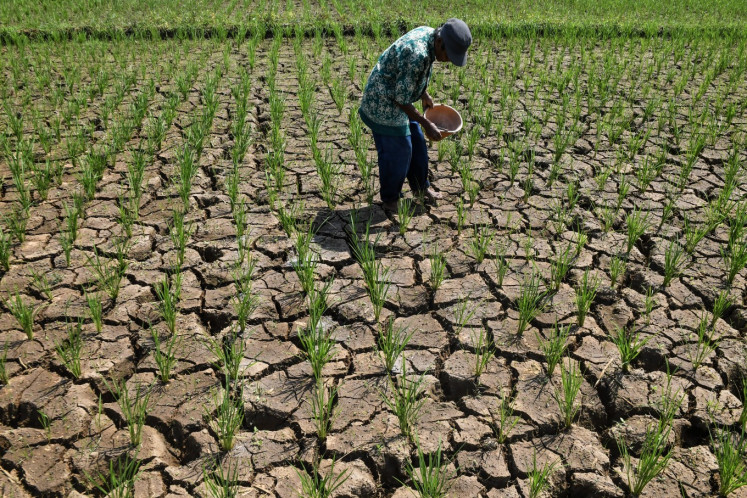
A recent analysis highlights the vulnerabilities in Indonesia's rice supply due to a combination of drought, escalating prices, and El Niño-induced weather conditions. Despite claims of rice self-sufficiency, prices have risen for seven months, even as Bulog's rice stocks remain high. The El Niño-induced dry season has triggered drought across several regions, disrupting agricultural production and increasing the risk of fires.
In West Java, drought affected 214,381 people in July, while West Kalimantan recorded 28,680 hectares of burned land. Government weather modification operations generated 40.52 million cubic meters of rainfall, but water shortages could still harm agricultural production. Second-season rice output is projected to decline by 2.6 percent nationwide, affecting Java, Sumatra, and Kalimantan.
This could push up food prices, weaken purchasing power, and increase the need for subsidies and imports. Despite a production recovery to 34.69 million tonnes in 2025, imports have also significantly increased. However, rice production is still heavily dependent on weather conditions, and future disruptions could once again increase reliance on imports.
Even with an increase in rice reserves, prices have risen, contributing to Indonesia's annual inflation. Production for January–September is only expected to increase marginally, but output during July–September may decline due to drought, pests, flooding, and harvest timing shifts. Forecasts vary, with the FAO predicting a rise in production, while the USDA forecasts a decrease.
The government's "New Rice Field Development" program aims to add 225,000 hectares of new rice fields, potentially increasing output by 3.06 million tonnes.
Written by urgent.news from The Jakarta Post Academia's reporting — not their text. Machine-written — may contain errors; check the original before relying on it.
This story
This is one outlet's version. Read the fullest account.
- Analysis: Drought, rising prices expose vulnerabilities in rice supply thejakartapost.com