Analysis: Drought, rising prices expose vulnerabilities in rice supply
Rice prices have trended upward for the past seven months despite the Prabowo Subianto administration’s claim that Indonesia has achieved rice self-sufficiency. The price increase has occurred even as rice stocks held by the State Logistics Agency (Bulog) remain high. The trend could intensify as an El Niño-induced dry season brings worsening drought conditions, potentially disrupting harvests…
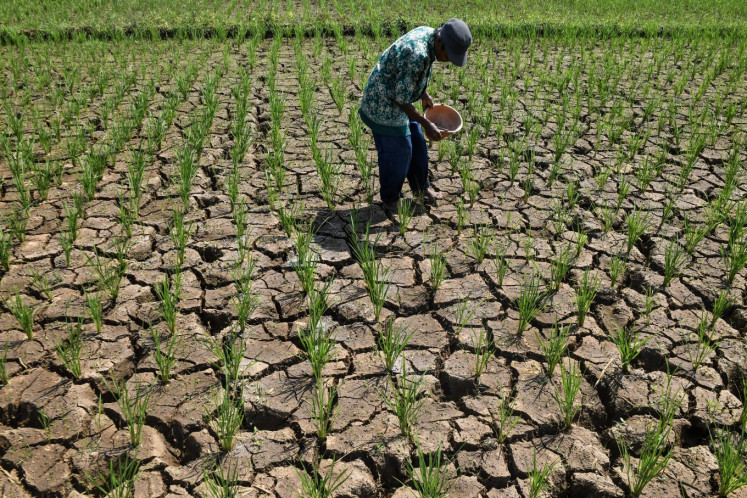
Indonesia's rice supply is increasingly exposed to vulnerabilities due to drought and rising prices, according to a recent analysis. Despite claims of self-sufficiency, rice prices have climbed for the past seven months, even as Bulog's stockpiles remain robust. The trend is expected to worsen as El Niño-induced drought threatens harvests, potentially driving up prices further.
West Java has been hit hard, with 214,381 people affected by drought as of July 29, and West Kalimantan reporting 28,680 hectares of burned land and 200 hotspots. The government has attempted to mitigate the situation through rainfall generation operations, but the risks persist. Water shortages can lead to crop failure, reduced planting areas, and higher production costs, especially in key rice-producing regions.
A decline in supply could push up food prices and inflation, affecting vulnerable households and increasing the need for subsidies and imports. Despite recovery in 2025, rice production fell to 30.62 million tonnes in 2024, and imports surged to 4.52 million tonnes. Production rebounded to 34.69 million tonnes in 2025, but imports dropped sharply to 450,734 tonnes.
However, the sector's exposure to weather conditions remains a structural risk. Rice demand is rising, and future production disruptions could once again increase Indonesia's reliance on imports. Government rice reserves have increased, but wholesale rice prices have still climbed, contributing to a 2.88 percent rise in annual inflation.
Overall, rice production for January–September is only expected to increase marginally, and it could decline by 0.88 percent due to various factors during July–September. The FAO projects rice production to increase, while the USDA forecasts a decline. The government's "New Rice Field Development" program aims to add 225,000 hectares of new rice fields, potentially generating an estimated 3.06 million tonnes of rice, but actual outcomes remain uncertain.
Written by urgent.news from The Jakarta Post's reporting — not their text. Machine-written — may contain errors; check the original before relying on it.
Also reported by 1 other outlet
- Analysis: Drought, rising prices expose vulnerabilities in rice supply thejakartapost.com