Weaponising Hormuz: How Iran’s coercive leverage collides with global energy, legal limits
Iran can impose major costs on shipping through the Strait of Hormuz, but it cannot sustainably “own” or permanently close the waterway without accelerating diplomatic isolation, military risk and economic damage to itself. The world gets it: Iran has proven its coercive maritime leverage over the narrow strait by virtue of its geography and military assets. The regime in Tehran can disrupt…
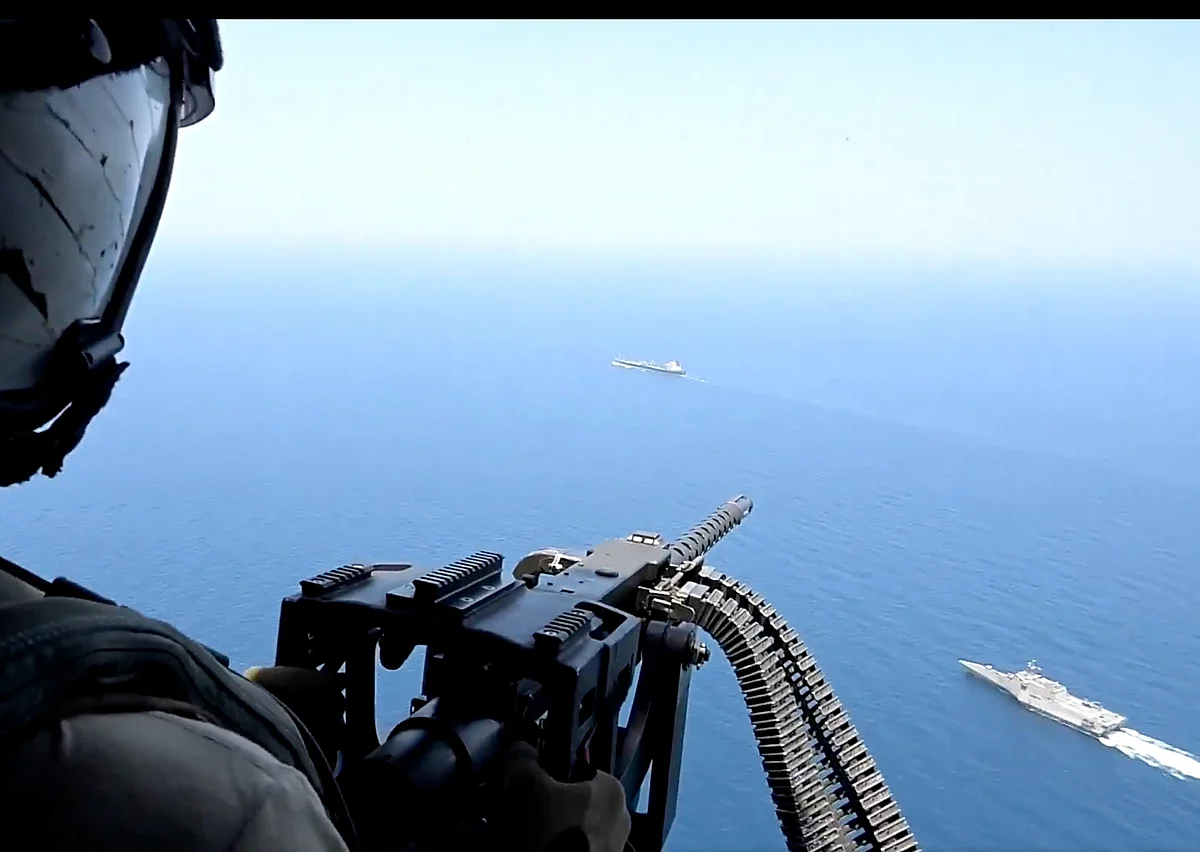
The Strait of Hormuz, a narrow waterway crucial to global energy trade, has become a focal point for Iran's coercive leverage. While Iran can disrupt passage of commercial vessels, raising insurance and freight costs, it cannot permanently close the strait without facing diplomatic isolation, military risk and economic damage to itself.
The International Maritime Organization estimates that approximately 20 million barrels per day used to move through the strait, but this figure has dropped to an average of 2.7 million barrels per day in March through May due to the ongoing crisis.
Iran's leverage lies in its geographical position, coastline, islands, missiles, drones, naval forces and proxy relationships. These assets allow it to create a persistent threat environment, but it cannot hold Hormuz hostage indefinitely. A full or prolonged closure would impose heavy costs on Iran, including constraining its own energy exports and imports, uniting Asian buyers around diversifying away from the strait, and inviting coordinated naval protection and sanctions enforcement.
International law, specifically the United Nations Convention on the Law of the Sea (UNCLOS), protects transit passage through natural straits used for international navigation. This includes Articles 37-44, which grant all ships and aircraft the right to continuous and expeditious transit without suspension by border states. Despite Iran's ability to threaten ships transiting the narrow passage, it cannot replace the international legal principle of freedom of navigation with any durable Iranian toll regime.
The international community, including the United States, the Gulf states, Egypt, Japan, Western and G7 Powers, regional and Middle Eastern nations, the Arab League, and the United Nations Security Council, have condemned Iran's attacks on commercial shipping and called for action to protect navigation. While some governments oppose attacks on civilian shipping, they are hesitant to become parties to a US-Iran confrontation due to a reluctance to involve themselves in the conflict.
China, being a major buyer of Iranian oil, faces a difficult position between its economic interests and the escalating US campaign.
Written by urgent.news from Gulf News's reporting — not their text. Machine-written — may contain errors; check the original before relying on it.