Unexplained lumps and what you should do about them
Sarcomas, rare types of cancer, can often first appear as seemingly harmless lumps. Some are even operated on before a diagnosis is properly established. But a first operation performed without sarcoma-specific planning can make subsequent treatment more extensive
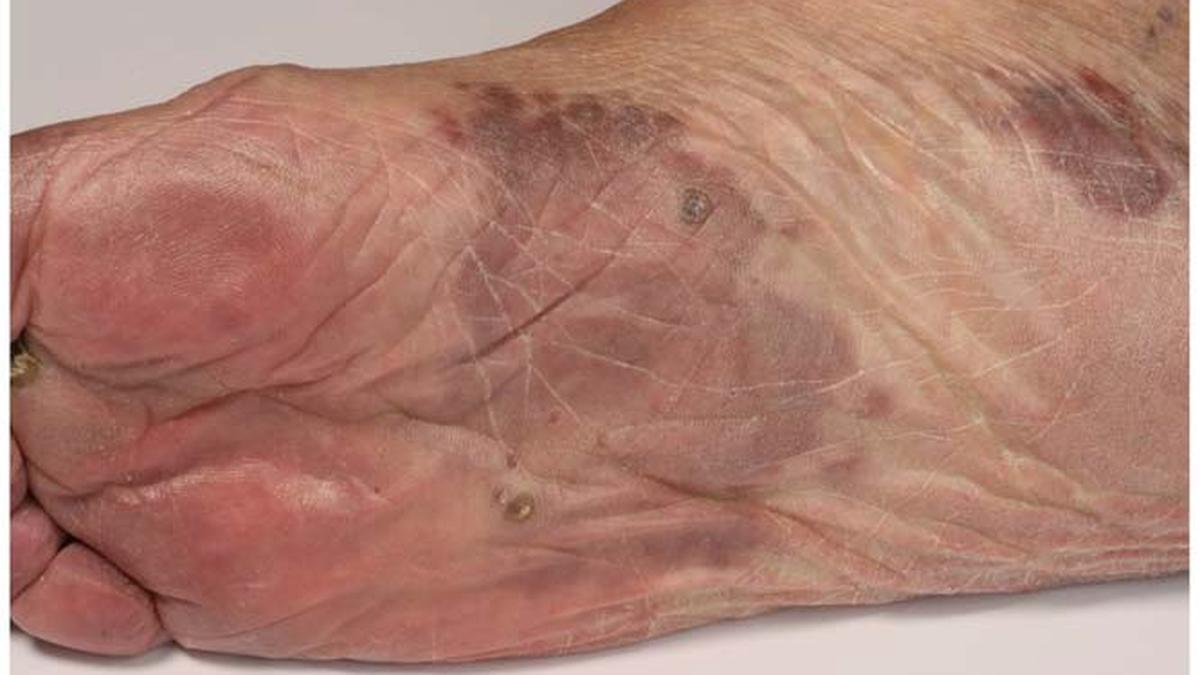
Many soft-tissue sarcomas, a rare form of cancer that originates in fat, muscles, and blood vessels, often resemble ordinary lumps. However, when these suspicious masses are removed without proper imaging, tissue confirmation, or oncological planning, crucial first steps for treatment may be lost. In India, sarcomas present diagnostic challenges and complications from inappropriate surgeries.
A retrospective study at AIIMS in Delhi examined 157 patients with localized extremity synovial sarcoma. More than 70% of these patients only reached a specialist center after an unplanned surgery or recurrence. Sarcomas are uncommon, accounting for about 1% of adult cancers and roughly 15% of cancers in children. Their rarity contributes to the difficulty in diagnosis and treatment.
Soft-tissue sarcomas can appear as a slowly growing swelling, and their apparent boundaries may be deceptive. Some tumors develop a pseudocapsule, and microscopic cancer cells may spread into or beyond this boundary. If a sarcoma is removed without proper surgical margins, residual cancer may remain, requiring more extensive surgery and potential reconstruction.
The term 'unplanned excision' refers to the removal of a soft-tissue sarcoma without preoperative imaging, histological confirmation, or an oncological surgical plan. While such procedures do not guarantee a cure, they can increase the risk of local recurrence and necessitate a second, broader operation to clear the tumor bed. Despite this, limb salvage remains possible for many patients, as evidenced by the AIIMS synovial sarcoma series.
Not every lump requires an MRI or biopsy, but certain features warrant specialist assessment. These include a growing mass, size of 5 centimeters or larger, deep-seated location, suspicious or indeterminate imaging features, or recurrence after a previous removal. Current imaging guidelines recommend referral to a sarcoma or tumor reference center before biopsy or surgery when sarcoma is suspected.
For a suspicious extremity soft-tissue mass, MRI is typically the preferred local imaging test. If malignancy is still a concern, a carefully planned image-guided core-needle biopsy is usually the standard method to establish the diagnosis before definitive surgery. Small, superficial lesions may be managed differently, based on the overall clinical and imaging picture rather than size alone.
Pain is not a reliable indicator of a sarcoma. The absence of pain should not reassure a person if a mass is enlarging or has other concerning features. Modern sarcoma care emphasizes diagnosis before definitive treatment, with limb-preserving options available for many patients through better referral pathways between primary care, general surgical services, and specialist centers.
Written by urgent.news from The Hindu - Sci-Tech's reporting — not their text. Machine-written — may contain errors; check the original before relying on it.
This story
This is one outlet's version. Read the fullest account.
- Unexplained lumps and what you should do about them thehindu.com