Unexplained lumps and what you should do about them
Sarcomas, rare types of cancer, can often first appear as seemingly harmless lumps. Some are even operated on before a diagnosis is properly established. But a first operation performed without sarcoma-specific planning can make subsequent treatment more extensive
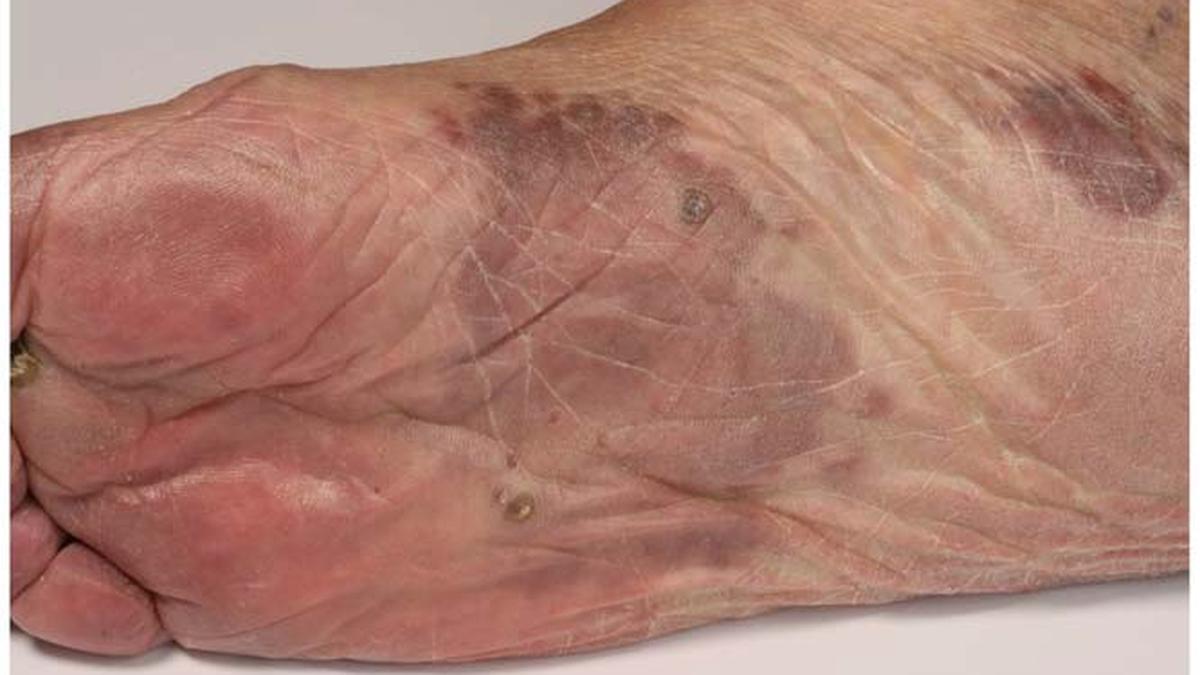
Soft-tissue sarcomas, a rare type of cancer affecting fat, muscles, and blood vessels, often begin as ordinary lumps. Despite their rarity, these cancers present significant challenges due to late diagnosis and inappropriate surgical interventions. In India, many sarcomas are operated on before a proper diagnosis, leading to increased complexity in subsequent treatments.
A study of 157 patients with localised extremity synovial sarcoma at AIIMS, Delhi revealed that over 70% received an unplanned surgery or recurrence before reaching specialist care.
These soft-tissue masses may appear benign and circumscribed, but they can develop a pseudocapsule, allowing microscopic tumour cells to infiltrate or extend beyond the apparent boundary. Improper surgical margins may leave residual tumour, necessitating more extensive operations, including reconstruction. Even if cure is not guaranteed, such procedures can raise the risk of local recurrence and demand further surgeries.
However, not all lumps require immediate biopsy or surgery. Certain features, such as rapid enlargement, size over 5 centimeters, deep-seated location, suspicious imaging, or recurrence after previous removal, warrant specialist assessment. MRI is preferred for evaluating suspicious extremity soft-tissue masses, followed by image-guided core-needle biopsy if malignancy is suspected.
It's crucial to consider the entire clinical and imaging context rather than relying solely on size. Pain does not always indicate the presence of sarcoma, as it can present as a painless lump.
The diagnosis and treatment of soft-tissue sarcoma involve a multidisciplinary approach, including musculoskeletal radiology, specialist pathology, surgical oncology, orthopaedic oncology, radiation oncology, and medical oncology. Major guidelines advocate for assessment in or in close collaboration with specialist sarcoma centres when the diagnosis is uncertain. Image-guided core-needle biopsy is highly accurate and, although the risk of tumour seeding during biopsy exists, it is relatively uncommon.
Myths surrounding soft-tissue sarcoma include the belief that painless lumps are harmless, that biopsies are more dangerous than obtaining a diagnosis, and that sarcoma inevitably leads to amputation. While these assumptions are not accurate, they can hinder effective diagnosis and treatment. Modern sarcoma care emphasizes diagnosis before definitive treatment, with the goal of limb preservation for many patients.
Improved referral pathways between primary care, general surgery, and specialist centres can prevent unnecessary and potentially harmful unplanned excisions. The first operation on a suspected sarcoma sets the stage for subsequent treatments, making prompt and appropriate diagnosis and planning crucial.
Written by urgent.news from The Hindu Health's reporting — not their text. Machine-written — may contain errors; check the original before relying on it.
Also reported by 1 other outlet
- Unexplained lumps and what you should do about them thehindu.com