The Remarkable Lives of 5-Year-Old Brain Organoids
The mini-brains are full of surprises The post The Remarkable Lives of 5-Year-Old Brain Organoids appeared first on Nautilus .
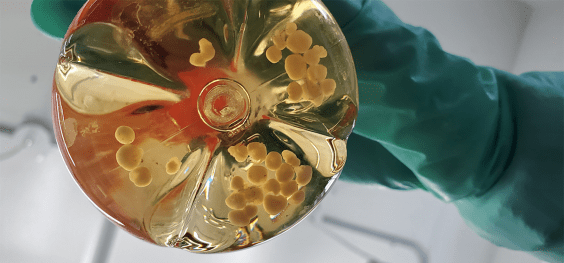
In a groundbreaking study published in Nature, scientists have successfully maintained brain organoids for an impressive five years. These miniature brains, created from embryonic stem cells, offer a valuable tool for understanding human brain development in a more accurate manner compared to animal models or human samples. Researchers from Utrecht University and other institutions meticulously monitored the organoids' growth and development over time, documenting their progression with great precision.
The organoids displayed typical developmental markers, with cell types forming in the correct sequence and neural connections becoming increasingly complex. Notably, even after their "first birthday," the cells exhibited developmental patterns akin to those found in postnatal human brains. The study also revealed that mature organoid cells retained a sort of developmental "memory," enabling them to produce more advanced neuron types when mixed with younger cells.
This finding could provide crucial insights into the delayed development of human brains, which sets us apart from other mammals. The research opens new doors for understanding the complex processes that shape our cognitive abilities and could potentially lead to advancements in treating neurological disorders.
Written by urgent.news from Nautilus's reporting — not their text. Machine-written — may contain errors; check the original before relying on it.