The harder work of holding Papua
The more difficult question is what allows sovereignty to endure not merely as an assertion of authority, but as a political relationship in which citizens can see themselves.
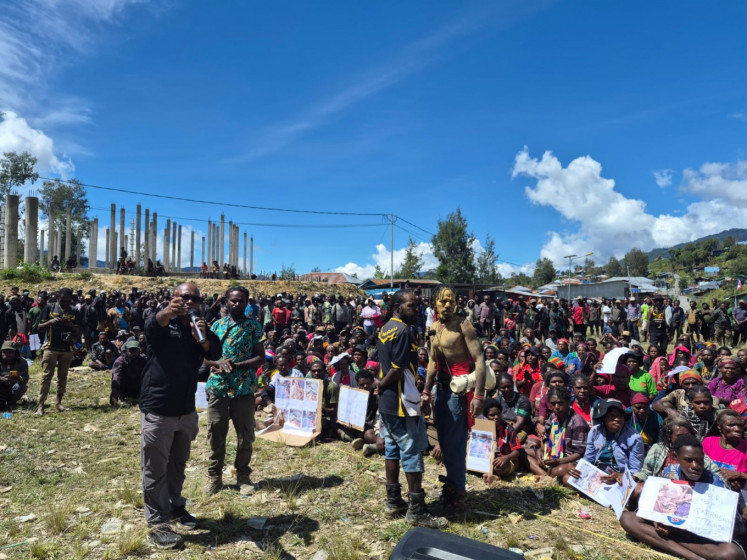
Holding onto sovereignty in Papua is a complex task that extends beyond mere assertion of authority. Human Rights Minister Natalius Pigai emphasized this distinction during a statement on August 17, stating that Papuans can only demand justice, not independence. However, a constitutional boundary alone does not establish a political relationship in which citizens can recognize and appreciate sovereignty.
The issue at hand is what enables sovereignty to persist as an enduring political bond, rather than just a claim to power.
John Locke, over three centuries ago, grappled with a similar conundrum in his work, Two Treatises of Government (1689). He contended that political authority is not solely based on the ability to rule, but on the consent of those governed and the safeguarding of their rights. In essence, authority alone does not validate itself.
For Papua, this insight goes beyond merely reaffirming Indonesian sovereignty; it necessitates a deeper commitment. Sovereignty must consistently demonstrate its worth to the people residing under it. This demonstration often transcends the realm of constitutional language, emerging instead in the day-to-day functioning of institutions such as schools, hospitals, courts, local government offices, workplaces, and political forums.
While policies may appear generous when articulated from Jakarta, their impact in Jayapura may fall short of expectations. The chasm between policy design and the lived experience of citizens often marks the beginning of legitimacy erosion. Drawing a comparison with the Basque experience in Spain, albeit not as a template for Papua, highlights the importance of bridging this gap.
The Basque experience demonstrates the critical role of tangible, everyday improvements in fostering a sense of legitimacy and connection between the governing authority and the governed populace. For Papua, the hard work of holding onto sovereignty lies in consistently bridging this gap through meaningful, tangible improvements in the lives of its citizens.
Written by urgent.news from The Jakarta Post's reporting — not their text. Machine-written — may contain errors; check the original before relying on it.
Also reported by 1 other outlet
- The harder work of holding Papua thejakartapost.com