The dragon spreads its wings: China is balancing between rival powers to expand its influence
While the U.S. and Russia remain bogged down in their wars of choice, China's formal. neutrality has allowed it to benefit from the situation, hosting Trump, Putin, and various European leaders in Beijing. Balancing between the opposing sides in Ukraine and the Middle East, China is doing everything it can to avoid direct involvement while continuing to provide measured support to its…
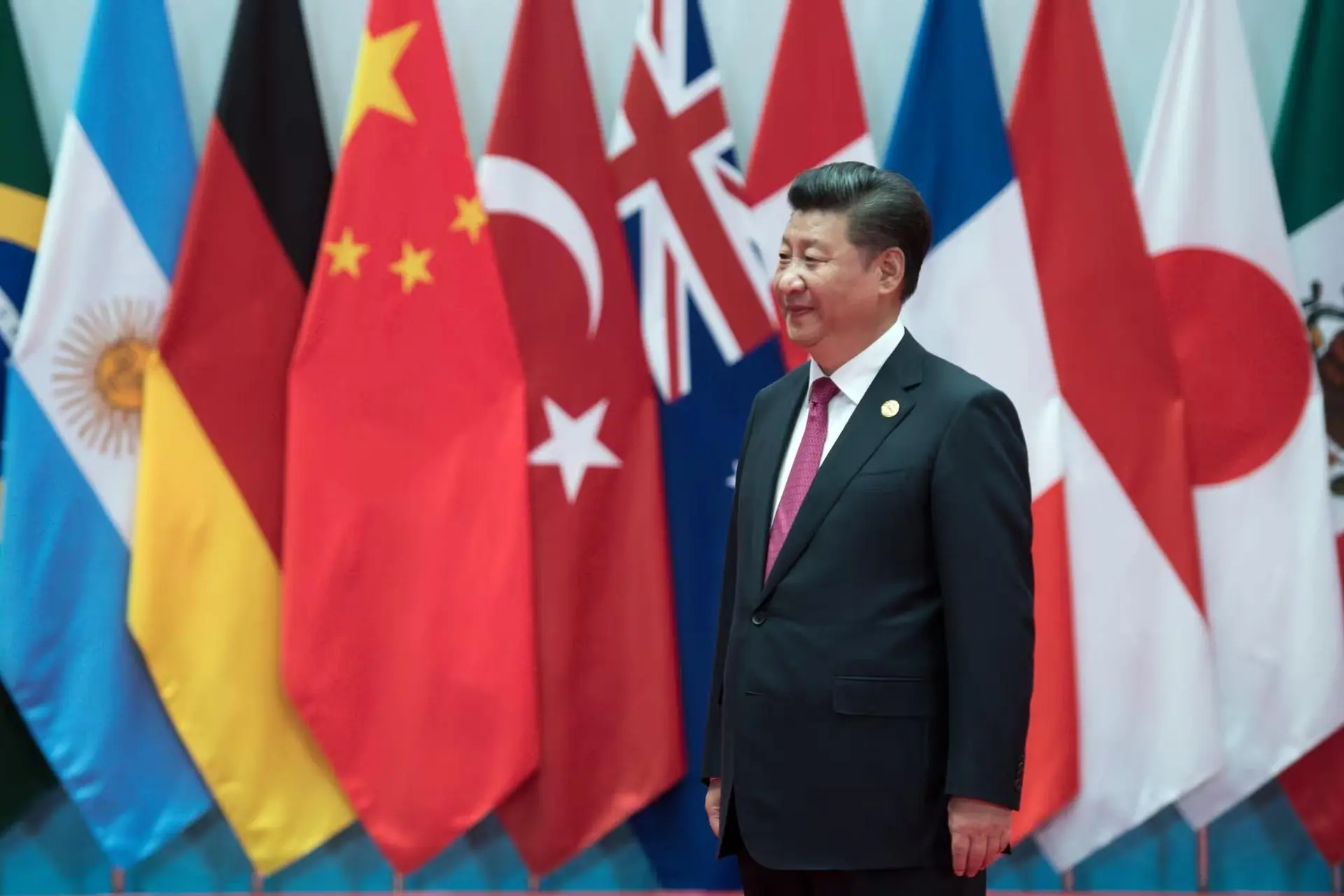
China's foreign policy has undergone a significant transformation since the early 2010s, shifting from cautious restraint to assertive engagement in international conflicts. During the leadership of Deng Xiaoping, China prioritized economic development over geopolitical ambitions, a strategy known as "hide your capabilities and bide your time." However, after Xi Jinping came to power in 2012-2013, China's foreign policy became more assertive.
China's involvement in international affairs is driven by a hierarchy of interests, including core interests such as territorial integrity, economic development, and political stability. When conflicts touch on these core interests, China's actions become more assertive. On the other hand, when secondary interests are at stake, China can adopt a more pragmatic approach, using crises to strengthen its image as a responsible international player and expand its influence.
China often serves as an interested party in global conflicts, supporting one side indirectly or mediating disputes between countries friendly to Beijing. This approach is not merely opportunistic but rather a deliberate strategy aimed at protecting national interests while maintaining relations with all sides. Beijing seeks to strengthen its position long-term, even if it means short-term concessions.
The Chinese concept of "relationality" contrasts with the Western focus on rational calculations of individual states and their national interests. Chinese foreign policy emphasizes maintaining relationships among global participants, even in the face of disagreements. This approach allows China to contain conflicts and minimize damage to relationships, as well as to demand the same treatment for itself without directly intervening in other countries' disputes.
While China often advocates for peaceful coexistence and mutual respect for sovereignty, territorial integrity, and non-aggression, it has employed military force in instances when these principles were overridden, such as the 1979 invasion of Vietnam and armed clashes with India in 1997-1998.
Written by urgent.news from The Insider's reporting — not their text. Machine-written — may contain errors; check the original before relying on it.