Port Hope’s radioactive past fuels pushback against proposed nuclear reactor
The provincially owned company in charge of the new nuclear power project is assuring residents that the sector operates much differently than when it was in its infancy.
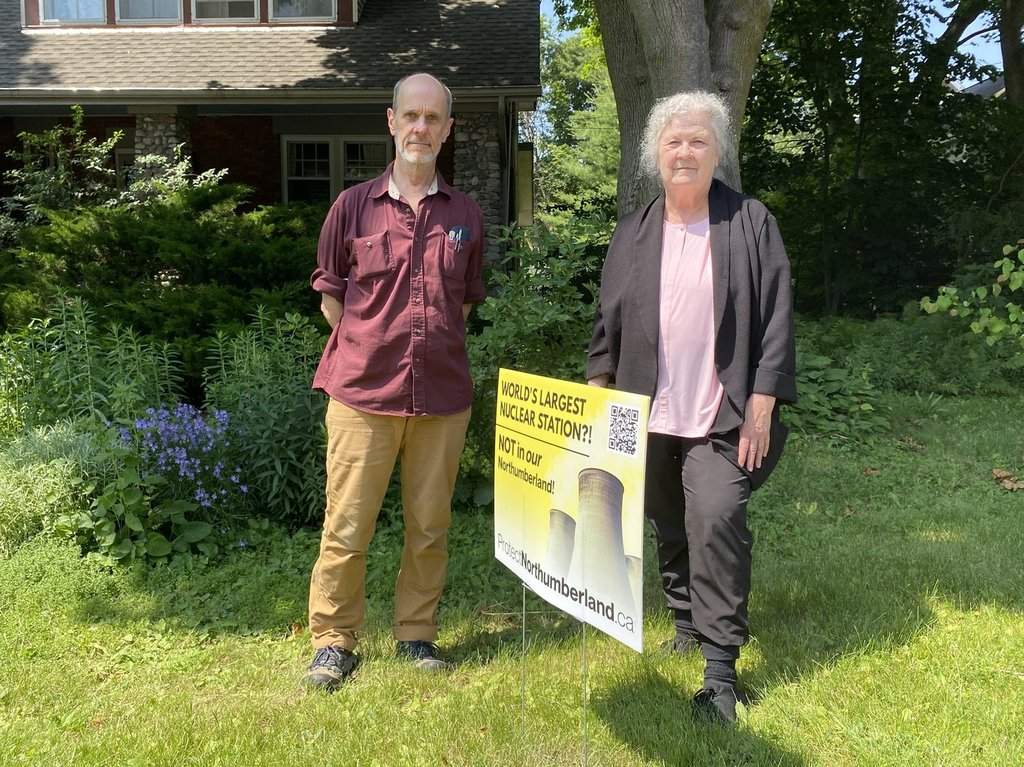
Port Hope, a community of around 18,000 people located 100 kilometers east of Toronto, finds itself at the center of a contentious debate over a proposed nuclear reactor. The Ontario government's announcement to build one of the world's largest nuclear power plants in the area has sparked outrage among long-time residents who have a history with the nuclear industry.
The Eldorado mining company established a radium refinery plant in Port Hope in the 1930s, which later became a Crown corporation. During World War II, the plant supplied uranium to the United States military, contributing to the Manhattan Project. The plant then began refining uranium, which had previously been considered waste, and used it in various government projects, including the production of atomic bombs.
For nearly a century, the plant released contaminated soil, rocks, and building materials across Port Hope for use in parks, roads, schools, and homes. In 2001, the federal government signed an agreement with Port Hope and Clarington to clean up the low-level radioactive waste that had contaminated the region.
Today, Ontario Power Generation (OPG), which owns the land, assures residents that the new nuclear plant will adhere to the most rigorous safety standards, with stringent federal oversight governing every aspect of nuclear safety, environmental protection, and waste management. OPG estimates that the new plant could create over 10,500 jobs and contribute $235 billion to Ontario's GDP over its lifespan, producing up to 10,000 megawatts of power.
However, many Port Hope residents are skeptical of the government's assurances. Faye More, a 75-year-old resident, has been protesting the project, stating that the community has been "invisible" for nearly 80 years in relation to the operations of nuclear plants. She emphasizes that the new project would be built under the same conditions as the past, treating the community as "expendable" as the government seeks to expand nuclear power generation.
Written by urgent.news from Global News's reporting — not their text. Machine-written — may contain errors; check the original before relying on it.
This story
This is one outlet's version. Read the fullest account.
- Port Hope’s radioactive past fuels pushback against proposed nuclear reactor globalnews.ca
- Port Hope’s radioactive past fuels pushback against proposed nuclear reactor toronto.citynews.ca
- Port Hope’s radioactive past fuels pushback against proposed nuclear reactor winnipegfreepress.com