Panama Canal to cut number of ships passing through due to El Niño
The crucial waterway's operator says low rainfall caused by the ocean pattern had led to the decision.
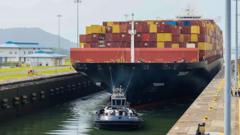
The Panama Canal Authority plans to reduce the number of ships passing through the canal due to the low rainfall caused by a particularly strong El Niño event. From September 15th, only 32 vessels a day will be able to pass through, compared to the current average of 36. El Niño, a periodic warming of sea surface temperatures, impacts weather patterns worldwide, and this year's is expected to be more intense due to climate change.
The shipping industry is already facing significant disruptions from the Iran war, which has reduced the number of vessels traversing the Strait of Hormuz.
The ACP implemented these measures to maintain service reliability and preserve water resources for human consumption. While the arrival of the rainy season in Central America and existing water-saving efforts in the canal are providing some relief, additional steps are required to ensure the long-term sustainability of transit operations. The new measures will be gradually implemented starting from September 3rd.
The Panama Canal is a critical thoroughfare, connecting the Atlantic and Pacific oceans and significantly reducing the time and distance ships must travel between the two bodies of water. Approximately 14,000 ships annually utilize the artificial waterway, which operates 24 hours a day, seven days a week. As a vital route for global trade, the canal generates about $3 billion annually for Panama.
In 2023, the ACP reduced the number of vessels using the canal during the previous El Niño period, when the country experienced its driest October since records began in 1950.
Since then, the authority has taken steps to reduce water usage. Forecasts suggest that this year's El Niño, a naturally occurring weather pattern, may be one of the strongest ever recorded, potentially causing widespread disruptions to weather, food supplies, and economies.
Written by urgent.news from BBC Business's reporting — not their text. Machine-written — may contain errors; check the original before relying on it.
This story
This is one outlet's version. Read the fullest account.