Panama Canal to cut number of ships passing through due to El Niño
The crucial waterway's operator says low rainfall caused by the ocean pattern had led to the decision.
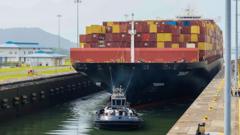
Due to El Niño, a weather pattern characterized by periodic sea surface warming, the Panama Canal Authority (ACP) has announced plans to reduce the number of vessels passing through the waterway from September 15. From this date, only 32 ships will be allowed to traverse the canal each day, down from the current 36. This is a result of the particularly strong El Niño expected this year, further exacerbated by climate change.
The shipping industry is grappling with significant disruptions due to the ongoing Iran war, which has led to a sharp decrease in vessels passing through the critical Strait of Hormuz. The ACP has implemented these measures to maintain service reliability and conserve water resources for human consumption. Despite the onset of the rainy season in Central America and existing water-saving initiatives within the canal, additional steps are required to ensure the long-term viability of transit operations.
The new regulations will be implemented gradually from September 3. The Panama Canal, a vital shortcut for shipping between the Atlantic and Pacific Oceans, handles approximately 14,000 vessels annually. This vital route generates around $3 billion annually for Panama. In 2023, the ACP reduced the number of ships utilizing the canal during the previous El Niño season due to Panama's driest October on record since 1950. Since then, efforts have been made to minimize the canal's water usage.
Forecasts suggest that this year's El Niño, a naturally occurring phenomenon, could be among the strongest on record, posing potential disruptions to weather patterns, food supplies, and global economies.
Written by urgent.news from BBC News's reporting — not their text. Machine-written — may contain errors; check the original before relying on it.