Only 16% of Ghana health facilities meet basic sanitation standard — WHO / UNICEF
A patient arriving at a hospital may expect clean water, a usable toilet, and somewhere for health workers to wash their hands. But across parts of West Africa, many health facilities still fall short of these basic standards, according to a new assessment by the World Health Organization (WHO) and UNICEF. The gaps are particularly […]
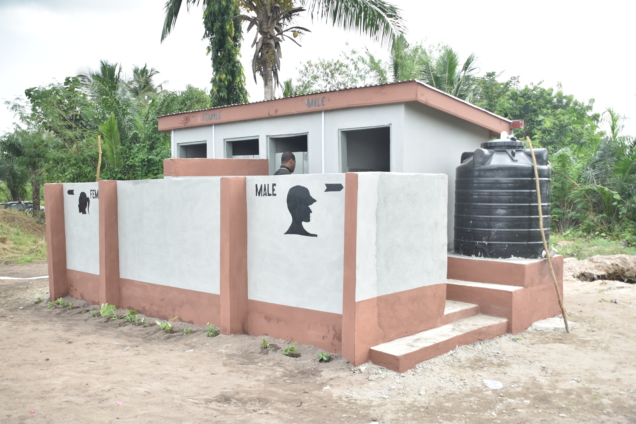
Only 16% of health facilities in Ghana met basic sanitation standards in 2025, according to a joint assessment by the World Health Organization (WHO) and UNICEF. This figure represents substantial gaps compared to regional, sub-regional, and global averages. The assessment, titled Progress on Water, Sanitation, Hygiene, Environmental Cleaning and Waste Management in Health Care Facilities 2015–2025, highlights the challenges faced by many health facilities across West Africa.
Ghana's performance was below the 23% recorded for sub-Saharan Africa and well below the global average of 40%. However, it is important to note that even among West African countries, Ghana's sanitation coverage was lower than its neighbors. Guinea-Bissau had the lowest rate at 7%, followed by Burkina Faso at 11% and Mali at 12%. Côte d'Ivoire and Senegal performed better with 21% and 35% meeting the basic sanitation standard, respectively.
The assessment underscores that sanitation is just one aspect of the broader challenges facing health facilities in the region. Basic water services were available in only 65% of Ghana's health facilities in 2025, while 75% of facilities in Senegal had access to basic water. However, several West African countries, including Liberia, Nigeria, Côte d'Ivoire, Sierra Leone, and Guinea-Bissau, still had at least one in ten health facilities without water services.
Another critical issue identified was the lack of basic hygiene services. WHO and UNICEF classify health facilities as having basic hygiene services when functional hand-hygiene facilities, including water and soap, are available at points of care and toilets. In Ghana, only 54% of health facilities met this standard, with Nigeria, Niger, and Côte d'Ivoire lagging behind, with at least one in ten facilities lacking hygiene services. Across sub-Saharan Africa, only 34% of health facilities met the basic hygiene standard in 2025.
The assessment also highlights the critical need for proper medical waste management. Only 24% of health facilities in sub-Saharan Africa met the basic waste-management standard in 2025. In Ghana, this figure was 27%, indicating that more than one in four facilities fell short of this essential standard. Burkina Faso, Ghana, Niger, and Nigeria were among several countries with lower estimates of waste-management coverage in more recent surveys.
The report emphasizes that these challenges extend beyond the availability of toilets and water. For patients, accessing dignified and private facilities can significantly impact their health care experience. Health workers also face difficulties in maintaining proper hygiene and safely disposing of medical waste. The disparities in service provision highlight the urgent need for improved infrastructure, resources, and training to ensure that all health facilities meet the basic sanitation and hygiene standards necessary for safe and effective health care delivery.
Written by urgent.news from Adom Online's reporting — not their text. Machine-written — may contain errors; check the original before relying on it.
This story
This is one outlet's version. Read the fullest account.