Only 16% of Ghana health facilities meet basic sanitation standard — WHO / UNICEF
A patient arriving at a hospital may expect clean water, a usable toilet and somewhere for health workers to wash their hands. But across parts of West Africa, many health facilities still fall short of these basic standards, according to a new assessment by the World Health Organization (WHO) and UNICEF. The gaps are particularly stark when it comes to sanitation. In Guinea-Bissau, only 7% of…
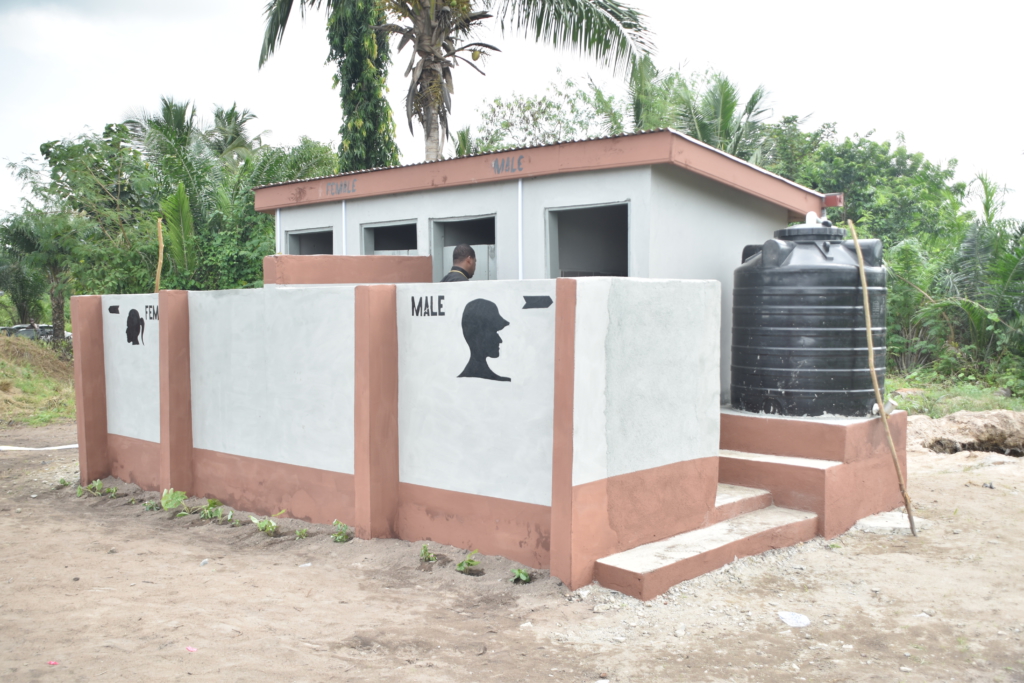
Only one-sixth of health facilities in Ghana and several other West African nations meet the basic sanitation standard, according to a recent report from the World Health Organization (WHO) and UNICEF. The assessment, titled Progress on Water, Sanitation, Hygiene, Environmental Cleaning and Waste Management in Health Care Facilities 2015–2025, reveals significant gaps in essential services across the region.
In Ghana, just 16% of health facilities achieved the basic sanitation standard in 2025, falling short of the regional average of 23% and the global benchmark of 40%. Similar gaps were observed in neighboring countries like Guinea-Bissau (7%), Burkina Faso (11%), Mali (12%), Côte d'Ivoire (21%), Nigeria (29%), and Senegal (35%). The report emphasizes that meeting the basic sanitation standard requires more than just the presence of a toilet.
Facilities must have separate, accessible toilets for men and women, including provisions for menstrual hygiene, and toilets suitable for individuals with limited mobility. These basic sanitation facilities are crucial for patient privacy, accessibility, and dignity during medical care. The report highlights challenges beyond sanitation, including inadequate water services and poor waste management in many health facilities.
In Ghana, 65% of health facilities had basic water services in 2025, but the situation varied across other countries, with Liberia and Sierra Leone performing better (75% and 64% respectively), while Guinea faced more significant challenges, with over half of its facilities lacking water services. Additionally, at least one in ten health facilities in several West African nations, including Liberia, Nigeria, Côte d'Ivoire, Sierra Leone, and Guinea-Bissau, had no water service at all.
Similarly, only 54% of Ghanaian health facilities met the basic hygiene standard, with Nigeria, Niger, and Côte d'Ivoire struggling to provide functional hand-hygiene facilities. The assessment also points to inadequate waste management across sub-Saharan Africa, with only 24% of health facilities meeting the basic waste-management standard in 2025.
Countries such as Niger, Nigeria, Guinea-Bissau, Côte d'Ivoire, Burkina Faso, Senegal, and Ghana lag behind in managing medical waste safely. The report cautions that these findings may reflect improved data collection methods revealing previously unnoticed gaps rather than worsening conditions. Despite global efforts, significant disparities persist in the provision of basic healthcare services across West African health facilities.
While many countries perform well in certain areas, such as water services (85% of facilities), gaps in sanitation, hygiene, and waste management remain substantial. Each percentage point represents an everyday challenge for patients and healthcare workers, including access to clean water, usable toilets, safe handwashing practices, and proper disposal of medical waste.
Written by urgent.news from MyJoyOnline Ghana's reporting — not their text. Machine-written — may contain errors; check the original before relying on it.