Naxalism’s ideological front hides behind democratic ideals
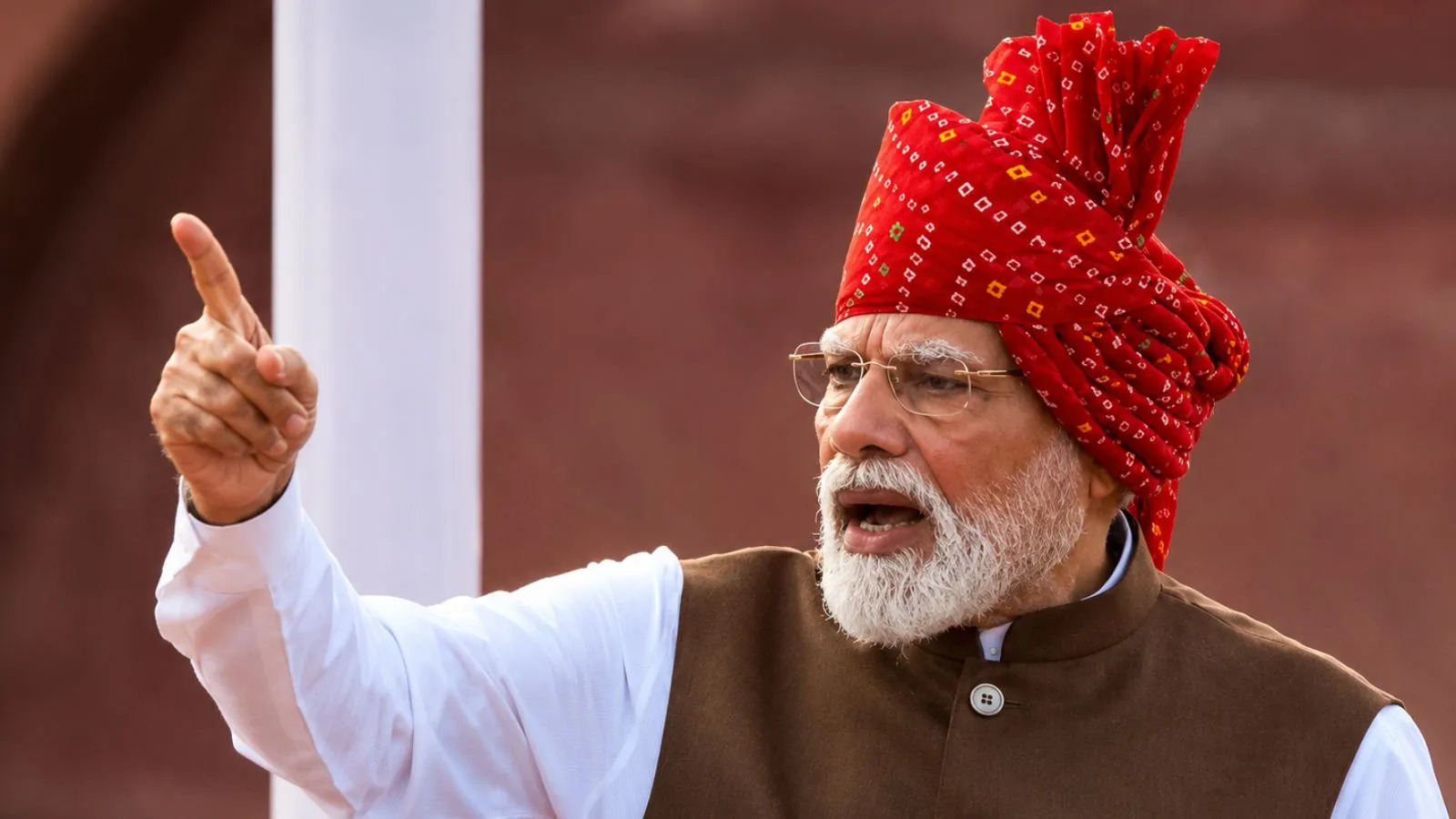
The Indian political discourse, which had avoided discussing the ideological underpinnings of Naxalism for four decades, was confronted by Prime Minister Narendra Modi's Independence Day address. By identifying the "dimagi Naxal" or intellectual Naxal, Modi forced a final confrontation against the deadliest terror threat India has faced.
Naxalism originated as an ideology before becoming a militia. Charu Majumdar, the ideology behind Naxalbari, did not take up arms due to personal deprivation; instead, he theorized, organized, and incited others towards armed "revolution." Naxal leaders, hailing from comfortable urban or landed backgrounds, have drawn inspiration from generations of intellectuals.
Naxal ideology seeks to overthrow India's Republic along with its "bourgeois constitution" and establish a communist state, where class enemies are eliminated through armed revolution. The underground Naxals, with overground members and sympathizers, believe India is an illegitimate entity that denies self-determination to different nationalities and operates under international capital's influence.
They disguise themselves as human rights activists, university professors, journalists, and corporate employees to act as couriers, provide safe houses, and wage an ideological war on the Indian state. Their propaganda, packaged as human rights, Dalit assertion, farmer issues, and individual rights, often hides the fact that their theoretical framework associates freedom from hunger, poverty, and justice with the balkanization of India.
This messianic cult, masquerading as a secular ideology, seeks death and destruction in pursuit of a utopian promise. The Modi government's counter-Naxal doctrine rests on security, rehabilitation, and development. However, the Naxal intellectual ecosystem shifted its focus from development to attacking it, opposing nuclear power projects, agricultural modernization programs, and infrastructure corridors not due to genuine local grievances, but because of opposition to the Indian state's writ.
History shows that the first wave of Naxalism, crushed by the mid-1970s, resurfaced two decades later, and by the mid-2000s, nearly a third of the country's territory lay in the Red Corridor. The medium of Naxal propaganda has evolved, with successors using smartphones to build a following on social media platforms. While the tactics have changed, the function remains unchanged: manufacturing moral cover for anti-state violence and instability.
The consequences of Naxalism, if successful, include the absence of freedom, liberty, police, rule of law, and courts, replaced by party militia, kangaroo courts, and intellectuals and professors sent to labor camps. This bluntness is necessary to inform people about what Naxalism stands for and the potential horrors that could be unleashed on the country if they remain careless. While governments can be voted out in elections, a state that collapses cannot be voted back.
Written by urgent.news from The Indian Express's reporting — not their text. Machine-written — may contain errors; check the original before relying on it.