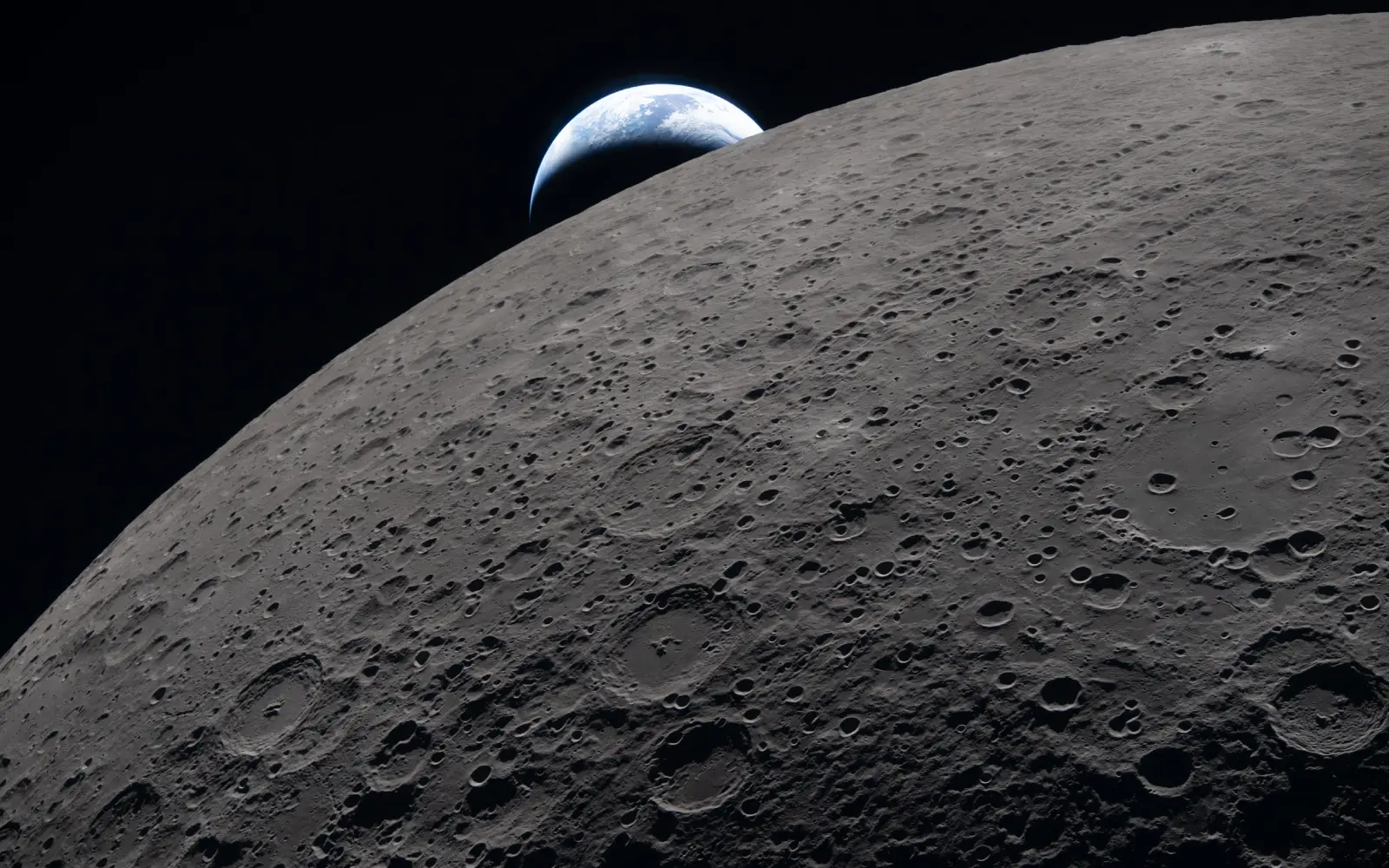
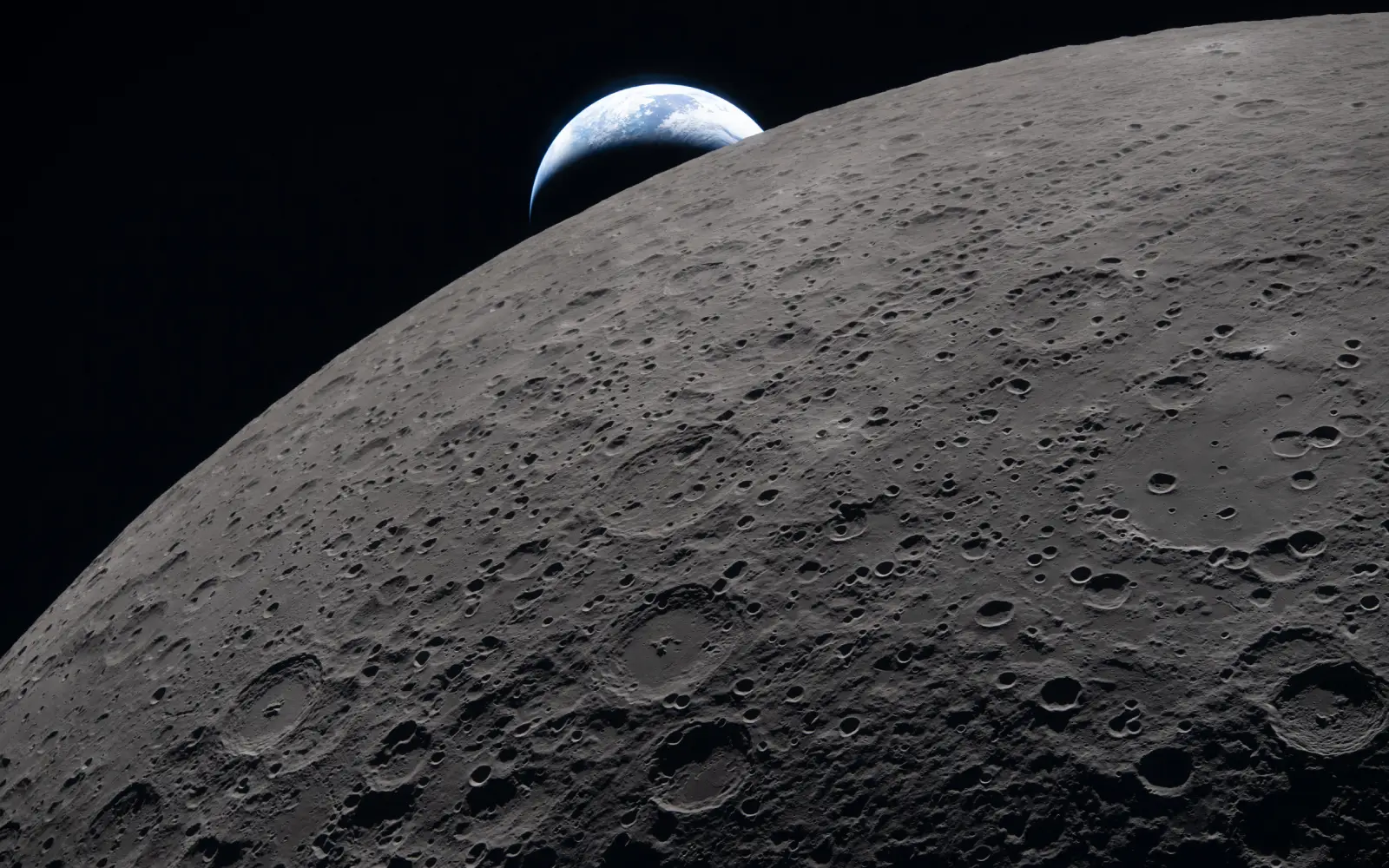
NASA's Voyager probes have traveled through space for nearly 50 years. See the remarkable photos from their journeys.
NASA's Voyager 2 is now 49 years old. The probe is more than 13.2 billion miles from Earth, having crossed into interstellar space in 2018.
Over five decades ago, NASA's Voyager probes embarked on a historic journey through the solar system. On August 20, 1977, Voyager 2 set off to explore the cosmos, just a few weeks after its twin Voyager 1. Together, the two probes became the longest-lived mission in NASA's history, clocking more than half a century of service.
Voyager 2 was the only spacecraft to visit all four of the solar system's outer gas giants - Jupiter, Saturn, Uranus, and Neptune. Its cameras captured stunning images of these distant worlds, revealing details that were previously unimaginable. Notably, the probes discovered two new moons orbiting Jupiter and a thin ring around the planet, challenging previous assumptions about its appearance.
As they traveled further into space, the probes encountered challenges that tested their resilience. In 2022, Voyager 1 began sending garbled data, a problem that was eventually traced back to a dead computer. Similarly, Voyager 2 went silent in 2023 after receiving an incorrect command. However, NASA's swift response and innovative solutions ensured that communication was restored.
Despite their age, the Voyager probes continue to function, albeit at a reduced power output. NASA has implemented measures to extend their lifespan, ensuring that they can continue to provide valuable data about the interstellar space they now traverse. As the probes venture towards the edge of the solar system, their journey serves as a testament to human ingenuity and our enduring quest to explore the unknown.
Written by urgent.news from Business Insider's reporting — not their text. Machine-written — may contain errors; check the original before relying on it.