Morning Bid: Big, bad bond market
A recent surge in bond yields, particularly the 30-year bond reaching a five-decade high, has left investors perplexed. The cause of this dramatic increase remains unclear, as markets struggle to understand how the newly appointed Federal Reserve Chair Kevin Warsh views inflation and his plans to address it. In response to this uncertainty, the U.S. government has announced plans to double its buyback sizes for 10- to 30-year Treasuries to a minimum of $4 billion per operation, in an attempt to lower yields temporarily.
However, this may only provide a short-term solution. For lasting relief, Washington will need to address its mounting debt and deficit issues, a challenge exacerbated by the recent Supreme Court ruling that has reversed much of the revenue gains from Trump-era tariffs. Despite the debt burden being slightly lower than its peak during the Covid-19 pandemic, annual interest payments have surpassed $1 trillion, causing bond investors to become increasingly wary.
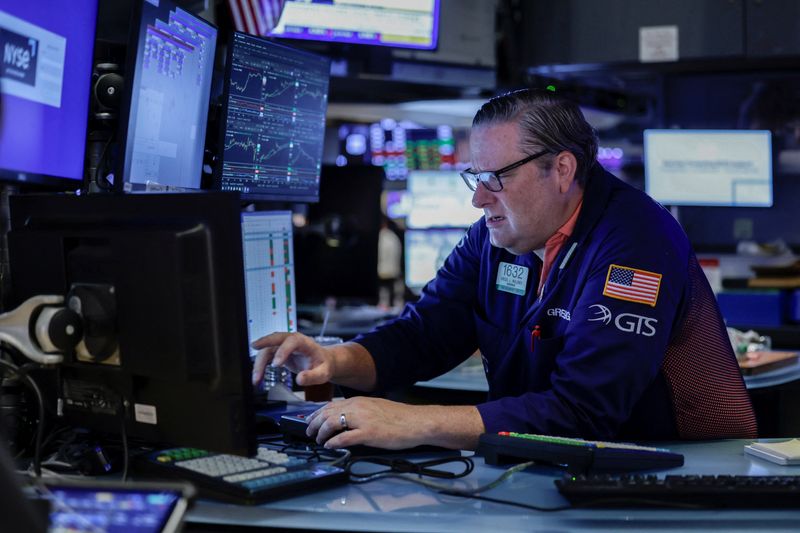
The bond market turmoil has also spilled over into equity markets, with chipmakers and retail giant Walmart suffering losses amid investor concerns about U.S. consumer strength. As the Federal Reserve prepares to hold its annual symposium in Jackson Hole, Wyoming, there is speculation that the central bank may be more hawkish than the recent split vote indicated, potentially leading to further interest rate hikes if inflation data suggests the problem has worsened.
Written by urgent.news from Yahoo Finance's reporting — not their text. Machine-written — may contain errors; check the original before relying on it.