Midway Atoll eradicated invasive rats; petrels rebounded to 135,000+ pairs
Invasive rats were removed from Midway Atoll, which had devastated native seabird populations. Bonin petrel numbers surged from under five thousand to over one hundred thirty-five thousand pairs. This eradication effort also allowed native vegetation to recover and stabilize the fragile islands. However, invasive house mice later emerged as a new threat to nesting albatrosses. Strict biosecurity…
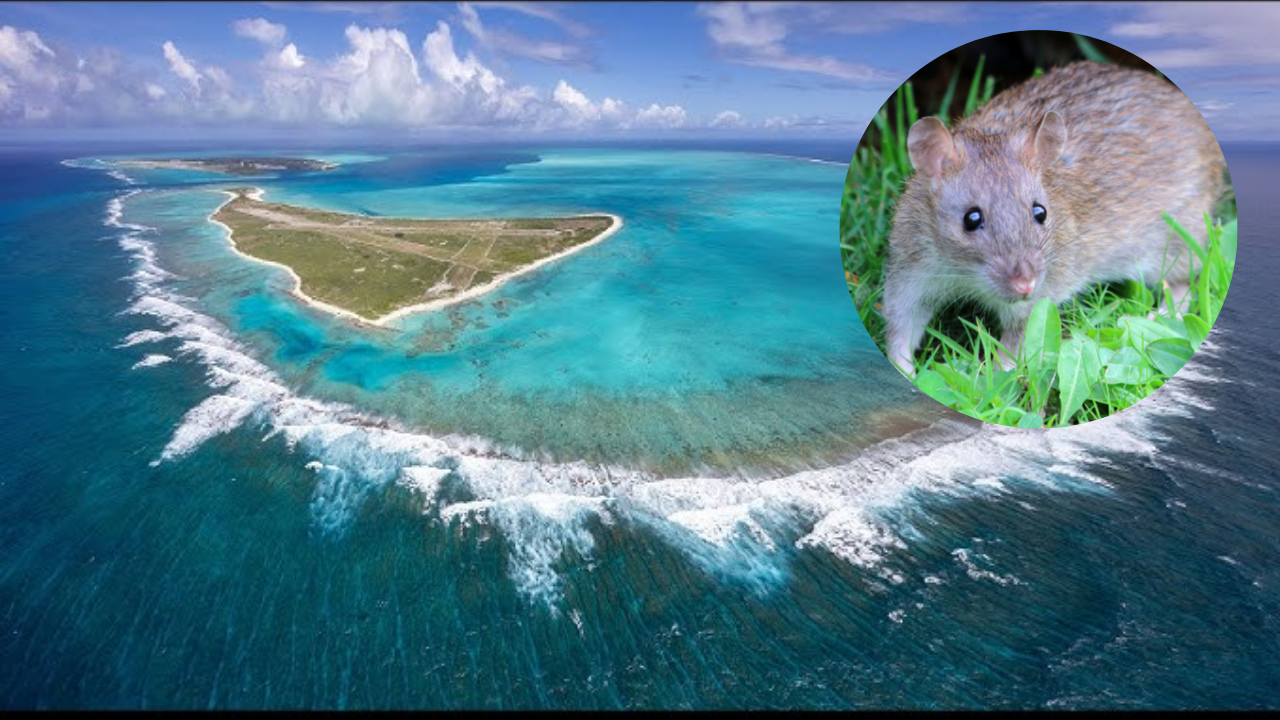
The eradication of invasive black rats from Midway Atoll led to a remarkable recovery of the local Bonin petrel population, which grew from fewer than 5,000 nesting pairs to over 135,000 pairs. The U.S. Navy, U.S. Fish and Wildlife Service, and U.S. Department of Agriculture's Animal and Plant Health Inspection Service collaborated on a large-scale rat removal program that began in 1995.
After two years of monitoring and careful bait distribution, the island was declared rat-free in 1996. The absence of black rats allowed the Bonin petrels to use their underground nests safely, resulting in improved breeding success. By 2008, the Bonin petrel population had expanded by more than 27 times since its lowest recorded level in the late 20th century.
The restoration of the habitat also benefited other native bird species, such as Laysan albatrosses, black-footed albatrosses, and various tern species. However, new threats like invasive house mice required additional control measures to protect the sanctuary's seabirds. Strict biosecurity measures are maintained at Midway Atoll to prevent the return of invasive species.
Written by urgent.news from Times of India's reporting — not their text. Machine-written — may contain errors; check the original before relying on it.