Johannesburg is running out of steam – and the cracks are showing
Johannesburg remains central to South Africa's economy, but mounting financial, infrastructure and governance problems put pressure on the city's ability to support growth.
Johannesburg, South Africa's economic hub, is grappling with mounting challenges that threaten its growth and stability, according to a report by the Centre for Development and Enterprise (CDE). The city, which hosts 70% of South Africa's company headquarters and generates 21.8% of national personal income tax, is facing deteriorating infrastructure, financial constraints, weak service delivery, and political instability.
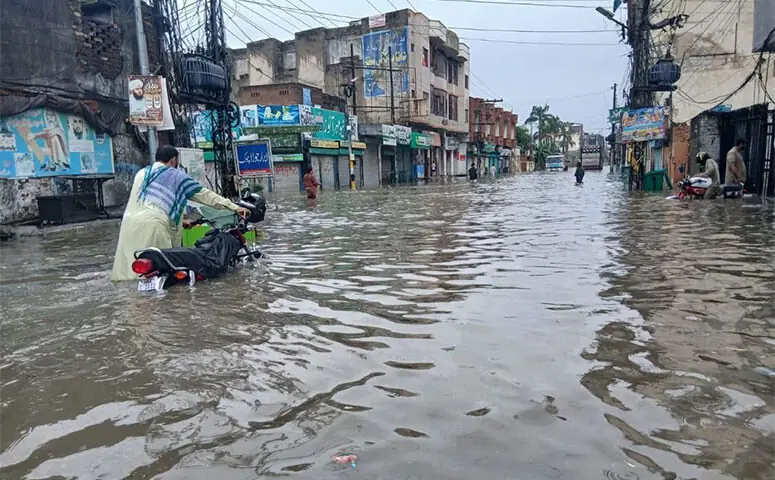
Johannesburg's infrastructure is under increasing strain, with the city losing over 226.9 million litres of water daily due to leaks. The city's ageing pipe network, spanning over 12,500 kilometres, would take nearly two centuries to fully replace at the current pace. Electricity infrastructure is also under pressure, with a backlog of R44 billion. The city recorded 54,132 power outages between July and December 2025, with cable theft, vandalism, and cable theft accounting for 20% of the outages.
Roads and transport infrastructure also face issues, with a maintenance backlog of R90 billion for roads and R37 billion for bridges. In 2025, residents reported 23,572 potholes, and about 55% of traffic lights experienced faults. Failing water and electricity services not only reduce the quality of life for residents but also raise the cost of doing business, adversely affecting firms' revenues and potentially leading to job losses.
Johannesburg's economic performance has also deteriorated, with an official unemployment rate of 35.9% in the second quarter of 2026, the highest among South Africa's metropolitan municipalities. Political instability further complicates matters, with the city having had nine mayors since 2016 and operating under eight coalition administrations. This political instability makes long-term planning and implementation more challenging.
The financial pressure has attracted intervention from National Treasury, which temporarily withheld portions of Johannesburg's equitable-share allocation in July. The funding would be released once the city demonstrated a funded budget, credible financial recovery plan, made payment arrangements with major creditors, and addressed unauthorised expenditure.
Mayor Dada Morero acknowledged the city's financial challenges but claimed its 2026/27 budget was funded and that its financial management had not reached a crisis state. He also noted that R1.8 billion in historical expenditure had been regularized, and another R6.4 billion was pending consideration.
Despite the challenges, Morero expressed optimism, stating that Johannesburg is the economic heartland of the country and the problems are real but not insurmountable. He highlighted a renewed discipline, transparency, and accountability in addressing the issues facing the city.
Written by urgent.news from IOL's reporting — not their text. Machine-written — may contain errors; check the original before relying on it.