How Talking About Death Helps Us Live a Fuller Life
The first time I realized I was going to die I was cutting out an obituary for a project for my 6th grade class. I was working on the living room floor, as my father slouched nearby on the brown
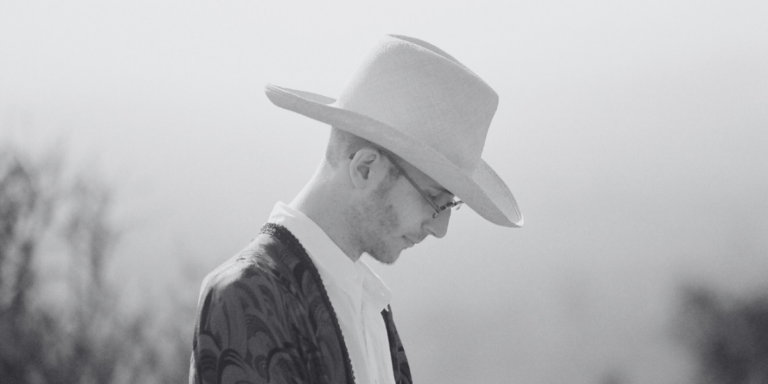
When I first realized I was going to die, I was working on an obituary for a project in my 6th grade class. I realized that the dead person in the newspaper had died, and then I felt a surge of panic that I would become accustomed to in the years to come. My father assured me that it wouldn't happen tonight, and I started crying about Max Ritvo's terminal cancer before even meeting him.
We had been emailing since 2014 when we were assigned to teach together in a summer program at Columbia University. Max was always enthusiastic and full of ideas, but his terminal illness was something he talked about a lot. When he learned I was terminally ill, he joked that he was actually in New York, not LA, but too anxious to meet us.
Max was a talented poet, essayist, and comedian, and he wrote an interview for WNYC where he discussed his ideas about the relationship between humor and death. He believed that humor was a kind of wisdom and that laughing at something horrible illuminated a side of it that was already there. After getting to know Max, he became a different person, one who couldn't be a static, dying 23-year-old.
He was also the person who covered for me, made my photocopies, and wrote essays that encouraged me to write my own. Max was a teacher about death, and his presence in my life taught me that laughter can illuminate even the most horrible aspects of life.
Written by urgent.news from Literary Hub's reporting — not their text. Machine-written — may contain errors; check the original before relying on it.