How Much the National Debt Grew Under Trump and Biden
The U.S.’s national debt surpassed $40 trillion for the first time ever this week—more than double what it was a decade ago.
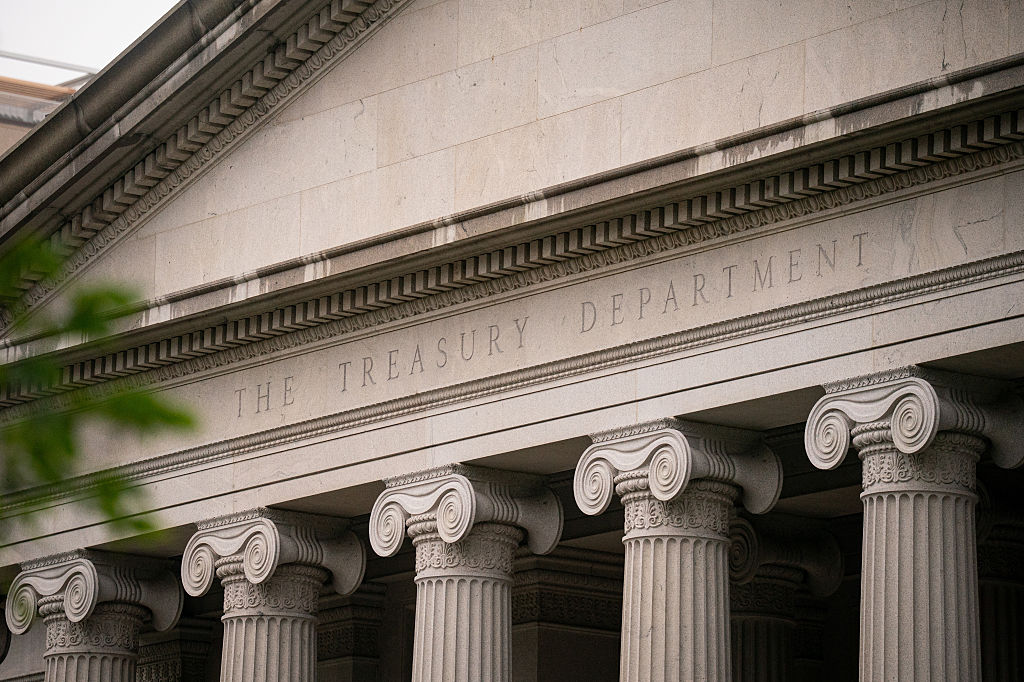
As of June 2025, the United States' national debt had surpassed the $40 trillion mark for the first time in history. This staggering figure marks a significant increase of $1 trillion in just under a year, with the debt jumping from $39 trillion to $40 trillion. The government reported this unprecedented growth in March, indicating just how rapidly the debt has been expanding. Experts had previously estimated that the debt wouldn't reach this level until 2028, but it has happened much earlier than anticipated.
The majority of this growth in the debt has occurred over the past decade, during the presidencies of both Donald Trump and Joe Biden. Trump's first term, from January 2017 until the end of his term in 2021, saw the national debt rise by about $7.8 trillion. When Biden took office in January 2021, the debt was approximately $27.75 trillion. By the time he left office in January 2025, the debt had increased by another $8.4 trillion, bringing it to roughly $36 trillion.
Trump's second term has also contributed to this debt surge, with the debt rising by approximately $3.8 trillion since his return to office in January 2023. This means that across both Trump terms, the national debt has climbed by a total of $11.6 trillion, making up more than a quarter of the total debt.
Experts attribute a significant portion of this debt increase to the federal government's response to the COVID-19 pandemic. Around one-third of the growth since 2017 occurred during the pandemic, as both Trump's and Biden's administrations intensified borrowing to fund the country's pandemic response and recovery efforts. Additionally, ongoing fiscal policies, like the tax cuts signed into law by Trump in 2017, have contributed to the growing national debt. These policies are expected to add a substantial amount to the deficit in the coming years.
Written by urgent.news from Time's reporting — not their text. Machine-written — may contain errors; check the original before relying on it.