How a tribal chief's house built 120 years ago became a boutique hotel on Egypt's Red Sea
The seafront mashrabiya that drew the gaze of visitors to El Quseir for over a century was first and foremost a status symbol. Sheikh Tawfiq Ali Mustafa, supreme chief of the Red Sea branch of the Ababda tribe, wanted his house, which he built in 1907, to be seen in awe by everyone arriving at the port. Sitting on the corniche of Egypt 's oldest surviving Red Sea town, its carved wooden lattice…
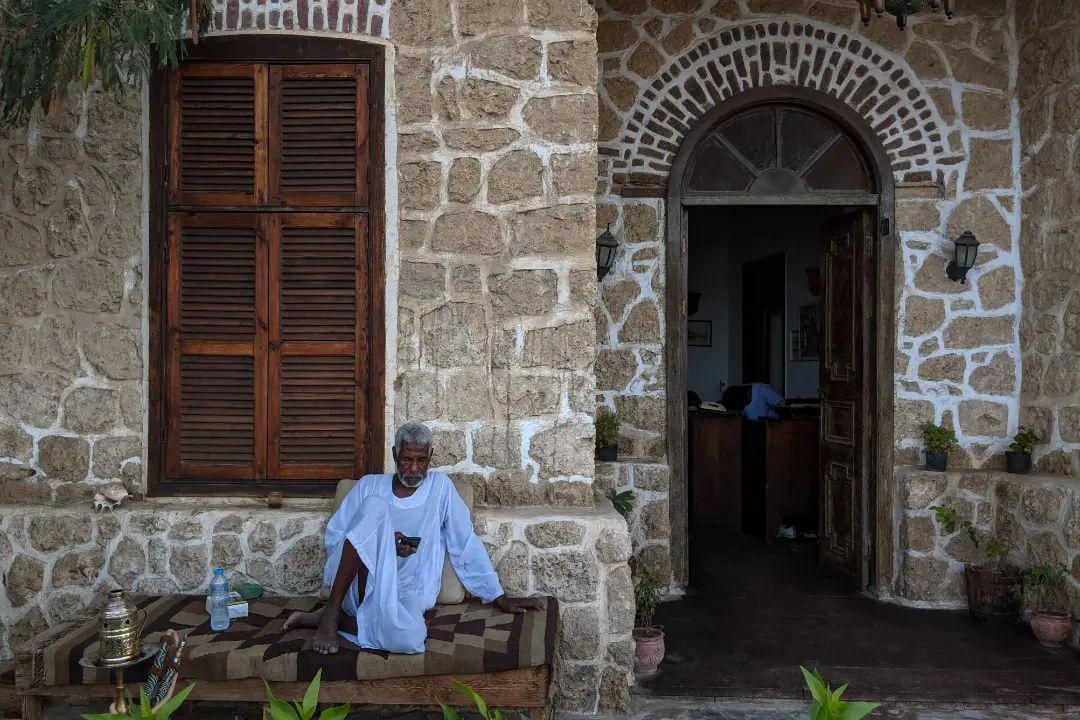
El Quseir, the oldest surviving town on Egypt's Red Sea coast, once served as a crucial embarkation point for pilgrims heading to Makkah. The Ababda tribe, whose members built the town's iconic mashrabiya house in 1907, played a significant role in guiding these pilgrims. However, the rise of the railway and the Suez Canal led to a decline in the town's importance, and the Italians took over the town's phosphate mining operations in 1912.
Sheikh Tawfiq Ali Mustafa, the chief of the Red Sea branch of the Ababda tribe, built his house near the seafront, which served as a status symbol and a meeting point for visitors. After the Italians left, the house was abandoned for nearly three decades before being restored by a Swedish businessman as a boutique hotel, preserving its historic architecture while adapting it to modern tourism needs.
Written by urgent.news from The National Business's reporting — not their text. Machine-written — may contain errors; check the original before relying on it.