Foreign worker feels excluded after colleagues repeatedly switch to Mandarin at work: ‘Is this something people just accept here?’
He said the language issue extends to social activities, with non-Mandarin-speaking employees also being left out of some lunches and dinners. This article ( Foreign worker feels excluded after colleagues repeatedly switch to Mandarin at work: ‘Is this something people just accept here?’ ) first appeared on The Independent Singapore News .
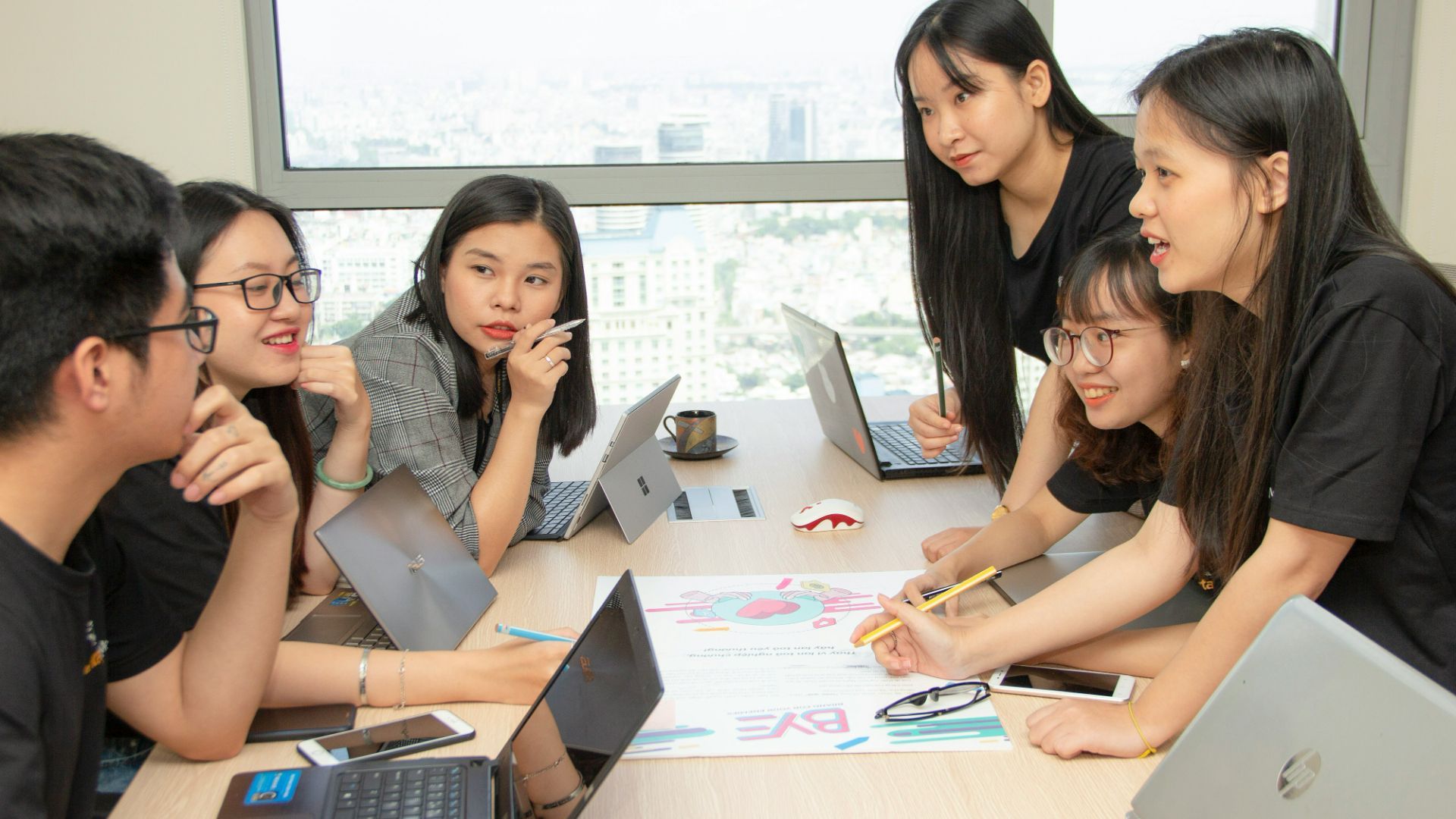
A foreign worker based in Singapore feels increasingly isolated at work due to his colleagues frequently switching from English to Mandarin during meetings, making it challenging for him and other non-Mandarin-speaking employees to understand the discussions. The worker, who is part of a small international team within his company, expressed his concerns on the r/askSingapore forum, stating, "Most of my company are from the same country (Mainland) and speak the same language (Mandarin).
A small number of us are foreigners who don’t. I don’t expect to be part of every social thing, but the pattern has become hard to ignore."
The worker understands that his colleagues may feel more at ease speaking their native language, but the frequent switch to Mandarin during meetings leaves him feeling disconnected from both professional conversations and social gatherings. Meetings typically start in English, ensuring everyone can participate, but as the discussion progresses, the group transitions to Mandarin without translating or summarizing the content.
The foreign worker notes that this leaves him and others struggling to follow along and frequently excluded from team lunches, dinners, and other social events.
The worker had previously brought up the issue with management, but the response has been minimal, consisting only of a general reminder for employees to use English at work. Management has not taken any concrete steps to enforce language usage, and colleagues revert to their native languages after a few days. The worker acknowledges that people may feel more comfortable speaking in their mother tongue, but he argues that this pattern of exclusion in an international workplace is no longer just a matter of personal preference.
Instead, it creates a work environment where some individuals are consistently included while others are consistently left out.
The worker questions whether this behavior is widely accepted in Singapore or if it warrants further action. He welcomes honest opinions on the matter. In response to the post, various Singaporean Redditors suggested potential solutions, such as politely asking colleagues to repeat their statements in English when they notice their name being mentioned.
Another suggested raising the issue at the end of each meeting in a light-hearted manner, expressing the feeling of being left out. A third user reassured the worker that colleagues might not be intentionally excluding him, but their default to their native language may unintentionally create an isolating atmosphere. They recommended addressing this by playfully calling out the language switch, such as saying "Channel 5 lehhhh" when they begin speaking in their native language.
Written by urgent.news from The Independent Singapore's reporting — not their text. Machine-written — may contain errors; check the original before relying on it.