Dollar wobbles as investors balk at US Treasury's rescue efforts
SINGAPORE: The dollar was on shaky ground and set for a weekly loss on Friday , as investors viewed the US Treasury’s bond buyback gambit as merely a temporary fix, while raising fresh concerns about officials’ increasingly interventionist approach. US Treasury Secretary Scott Bessent said overnight he may further increase the government’s repurchases of Treasuries, a day after the department…
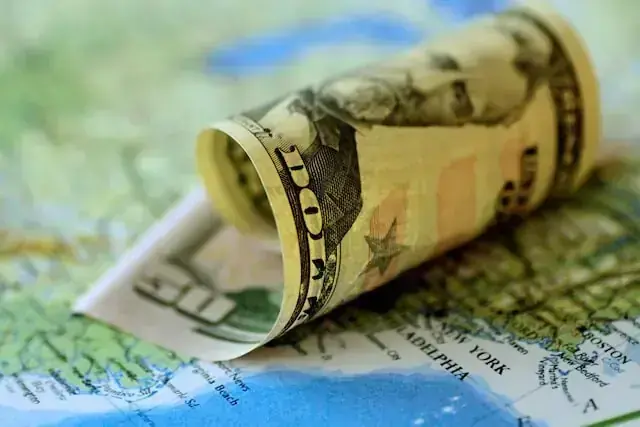
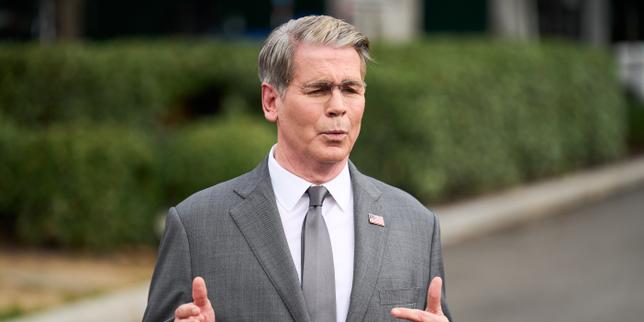
On Friday, the dollar faced pressure and was poised for a weekly decline as investors evaluated the US Treasury's bond buyback strategy as a short-term solution, amid heightened doubts about the administration's growing interventionist stance. Treasury Secretary Scott Bessent hinted at potential further increases in government repurchases of Treasuries the following day, following the announcement of a doubling of buybacks on longer-dated securities over the coming quarter to curb soaring yields.
White House budget director Russell Vought joined Bessent in initiating a new fiscal consolidation initiative under President Donald Trump's guidance. Despite these actions, they failed to curb the sell-off in US Treasuries and put downward pressure on the dollar, as investors grew apprehensive about deteriorating fiscal conditions and doubts about the credibility of US institutions resurfaced.
The euro neared a three-month high near $1.1685, while the British pound flirted with a six-month peak at $1.3643, marking a weekly gain of 0.8%. Meanwhile, the greenback was set for a weekly drop exceeding 0.8%, trading at 98.82, nearing a three-month low against a basket of six currencies. Analyst Carol Kong of Commonwealth Bank of Australia explained the Treasury's large bond buybacks as another example of unconventional tools used to manage borrowing costs, exacerbated by high government debt, increasing fiscal deficits, and policy uncertainty.
This may foster more dollar hedging and diversification, she added. In other currencies, the Australian dollar rose 0.13% to $0.7123, the New Zealand dollar gained 0.23% to $0.5957, and showed a weekly rise of over 1%. Meanwhile, the yen slipped 0.05% to 159.12 per dollar, continuing to suffer from pronounced U.S.-Japan interest rate differentials.
Japan's core consumer inflation accelerated in July from a year earlier, supporting arguments for a central bank rate hike. Notably, the yield on the 30-year U.S. Treasury note rose about 1.4 basis points to 5.2508% on Friday, while the benchmark 10-year yield steadied at 4.7041% after a 4.5 basis point increase overnight, as initial relief from the bond buyback plan faded.
Strategist Vitali Meschoulam of Goldman Sachs cautioned that policymakers' tools may only provide temporary relief, as history shows, and stressed that today's fiscal challenges pose more significant concerns than technical issues. This skepticism was echoed by investors flocking to alternatives such as gold and bitcoin, which have historically benefited from efforts to diversify away from U.S. assets.
Bitcoin gained 1.6% to $73,823.43, on track for a 17% weekly rally, marking its largest gain in over two and a half years. Gold also showed a potential more than 3% increase for the week.
Written by urgent.news from Business Recorder's reporting — not their text. Machine-written — may contain errors; check the original before relying on it.
This story
This is one outlet's version. Read the fullest account.
- Dollar wobbles as investors balk at US Treasury's rescue efforts nst.com.my
- US Dollar: Treasury twist signals structural risks – Commerzbank fxstreet.com
- Dollar wobbles as investors balk at US Treasury’s rescue efforts freemalaysiatoday.com
- Gold prices steady as dollar weakens, US Treasury acts to curb yields english.ajel.sa
- Dollar wobbles as Treasury's bond market buybacks raise fresh concerns businesstimes.com.sg
- Asia FX set for weekly gains, dollar near 3-mth lows despite U.S. Treasury move investing.com
- Dollar near three-month low on Treasury buyback worries finance.yahoo.com
- Dollar wobbles as Treasury's bond-market buybacks raise fresh concerns channelnewsasia.com