Dollar store groceries come with hidden health costs
New research shows a link between dollar store food quality and higher rates of obesity, high blood pressure, and type 2 diabetes.
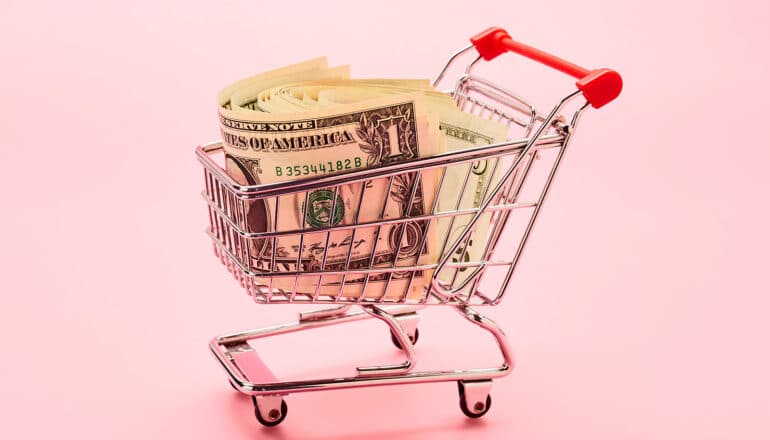
Dollar store groceries may seem like a budget-friendly option, but new research from the University of California, Riverside suggests they come with hidden health costs. The study, published in BMC Public Health, found a correlation between food quality at dollar stores and higher rates of obesity, high blood pressure, cholesterol, and type 2 diabetes.
This University of California, Riverside study, led by genetics, genomics, and bioinformatics doctoral student Ryan Bruellman, analyzed data from the Centers for Disease Control and Prevention’s 500 Cities Project, covering major American metro areas and cities, including the Los Angeles and Inland Empire regions. Dollar stores in the study include Dollar General, Dollar Tree, the 99 Cent store, and Family Dollar, totalling 34,000 locations.
According to Bruellman, there are more dollar stores than traditional grocery stores nationwide. Using a software tool called ArcGIS, Bruellman mapped the number of dollar stores within a 10-minute drive of residential areas and combined this data with a social vulnerability index, which measures factors like income and unemployment levels.
The findings held across the US, regardless of income and unemployment levels. However, the study's results varied across regions. In the South and Midwest, where the ratio of dollar stores to traditional grocery stores is roughly 50/50, the impact on consumer health is more pronounced. The quality of the food, not its price, is primarily responsible for the health issues associated with dollar store purchases, according to Bruellman.
He argues that policymakers should explore ways to improve the quality of food available at dollar stores, such as partnering with local farmers to increase fresh produce offerings. Alternatively, cities could encourage more local farmers' markets and food banks closer to these stores to improve access to healthier food options.
Ultimately, Bruellman hopes this research will prompt lawmakers to consider expanding access to healthier food choices beyond traditional grocery stores.
Written by urgent.news from Futurity's reporting — not their text. Machine-written — may contain errors; check the original before relying on it.