Cuba opened its economy on Washington’s orders. Rubio’s answer: more sanctions
“What are you afraid of?" Ambassador Ernesto Soberón Guzmán asked hypothetically. "Why do you need to implement almost every two weeks new sanctions?”
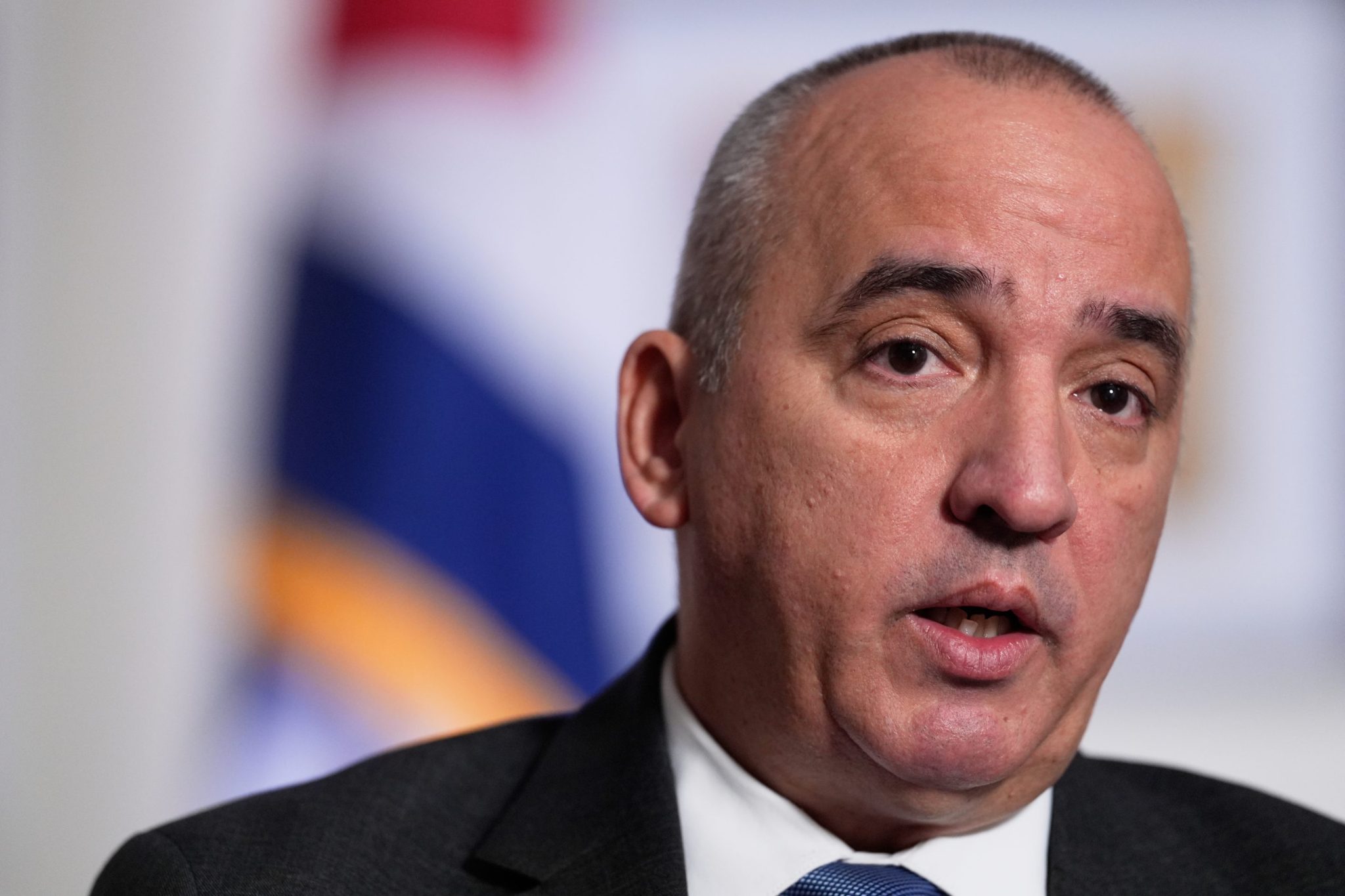
Cuba has implemented sweeping reforms to open up its economy to private investment, but the United States continues to impose sanctions that stifle the progress. Cuba's U.N. ambassador, Ernesto Soberón Guzmán, expressed his frustration with the ongoing sanctions to U.S. Secretary of State Marco Rubio, questioning why the U.S. would continue to impose new restrictions.
The State Department responded by confirming that Rubio intends to announce new sanctions every couple of weeks, aiming to prevent any potential "escape valves" that the Cuban government may attempt to create.
The U.S. embargo and recent sanctions have led to severe consequences for Cuba, including blackouts, limited access to public transport, crippled infrastructure, and shortages of medicine and food. Cuban companies, such as the Spanish hotel chain Meliá, have been forced to withdraw from the market due to the economic hardships. William LeoGrande, a professor at American University, argues that the U.S. measures have turned away investors and tourists, which are crucial sources of income for Cuba.
Cuba's government has been striving to make significant economic changes in the past eight months, particularly after losing its economic lifeline with the departure of Venezuelan leader Nicolás Maduro. John Kavulich, president of the U.S.-Cuba Trade and Economic Council, states that Cuba has made more commercial, economic, and financial changes than it has over its entire revolutionary history.
However, the Trump administration keeps increasing sanctions, putting more pressure on Cuba, which responds by making further changes.
The new economic reforms announced by Cuban President Miguel Díaz-Canel aim to provide more opportunities for private businesses, imports, exports, free hiring of personnel, private banks, investment by Cubans abroad, and opportunities for fast-food chains. Guzmán highlights potential areas for investment, including real estate, solar farms, energy, marinas, and tourism.
Christopher Hernandez-Roy, acting director of the Americas program at the Center for Strategic and International Studies, acknowledges that Cuba's leaders seem genuinely interested in economic reforms and outside investment. Nonetheless, U.S. sanctions significantly impede the success of these reforms, creating an ironic situation where the pressure from the U.S. compels Cuba to liberalize its economy, while simultaneously limiting the resources and access needed for those reforms to succeed.
Written by urgent.news from Fortune's reporting — not their text. Machine-written — may contain errors; check the original before relying on it.