Climate neuroscience needs ‘integration’ and ‘guided’ research
Five years after a groundbreaking paper, can a young field move beyond piecemeal studies?
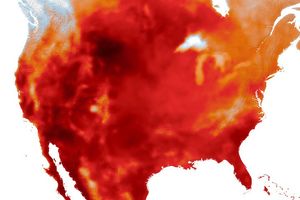
Five years after a groundbreaking paper, the young field of climate neuroscience is still fragmented. In 2013, a massive marine heat wave known as "The Blob" affected the North Pacific Ocean, causing temperatures up to 3 degrees Celsius above average and extending over 1 million square miles. Later, in 2016, European green crabs were found in Puget Sound, a region where they had never been seen before.
Scientists believe that The Blob contributed to their invasion. Wolfgang Stein, a neurophysiology professor at Illinois State University, found that green crab neurons maintain a regular rhythm at higher temperatures than some other crab species. He believes that this nervous system robustness could be a key factor in the green crab's ability to outcompete native crabs.
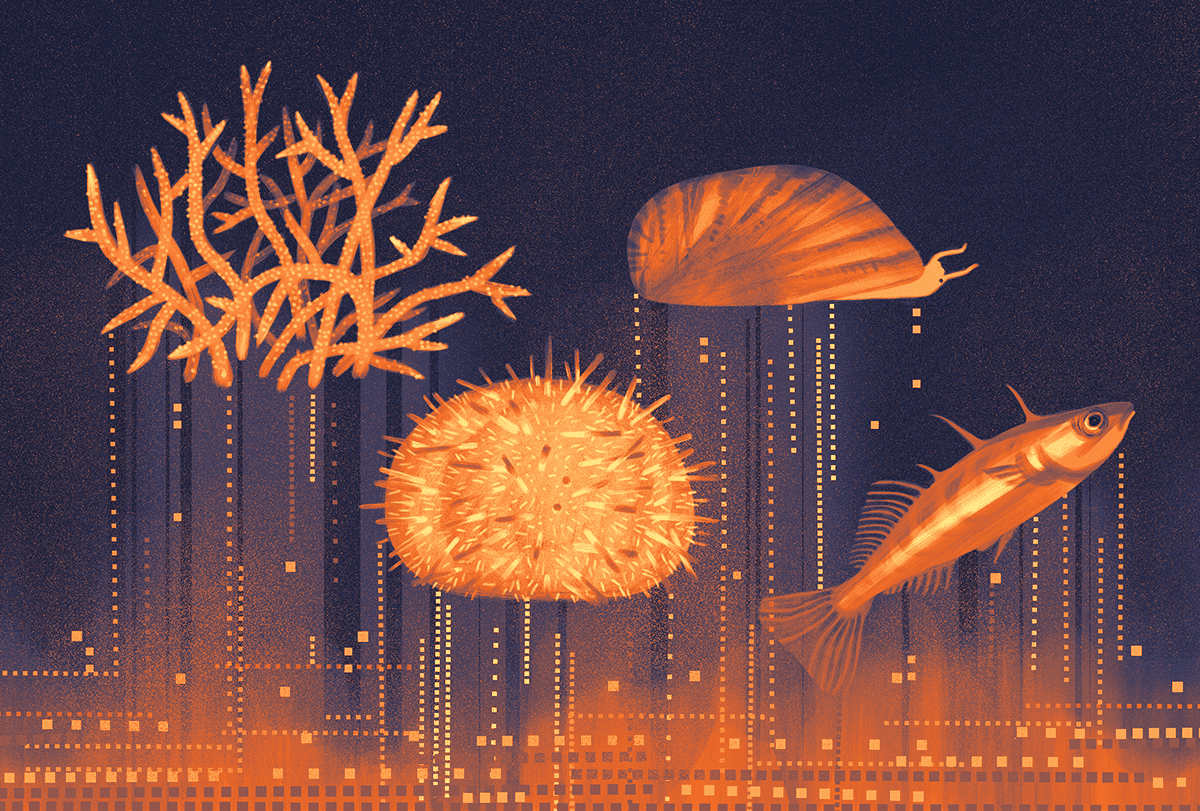
Stein and other researchers are studying how rising environmental temperatures affect various animal groups, including crustaceans, birds, and fish. However, studying every single species is not feasible. Instead, the field needs more integrated and guided research to build a critical mass of information about different species.
Martín Tresguerres, a marine biology professor at the University of California, San Diego, emphasizes the need for more integration in the field. The paper published in 2021 by Eve Marder's lab at Brandeis University observed that Jonah crab neurons "crash" at temperatures correlated to their native waters. This discovery has led to increased interest in the effects of climate change on animal nervous systems.
Brady Weissbourd at MIT studies the neural activity of jellyfish larvae, observing how changes in water temperature, oxygen levels, and pH can alter their function. Similarly, Florence Kermen at the University of Copenhagen found that zebrafish exhibit abnormal behavior when exposed to excessive heat, suggesting a wave of spreading depolarization in their brains.
Kimberly Rosvall at Indiana University Bloomington discovered that tree swallows from Indiana, which experience hotter summers, have higher levels of heat-shock proteins in their brains than those from cooler Alaskan areas. However, experimental heat waves in nesting boxes do not result in elevated protein levels, but do increase their chances of survival to adulthood.
To advance the field, researchers must generate more data points by studying more species in a coordinated manner.
Written by urgent.news from The Transmitter's reporting — not their text. Machine-written — may contain errors; check the original before relying on it.