Brain scans reveal biological divides based on subtle political differences
A recent brain imaging study found that people with even slightly different political views process information using different neural patterns. Listening to political statements about immigration prompted synchronized brain activity among individuals who shared similar attitudes.
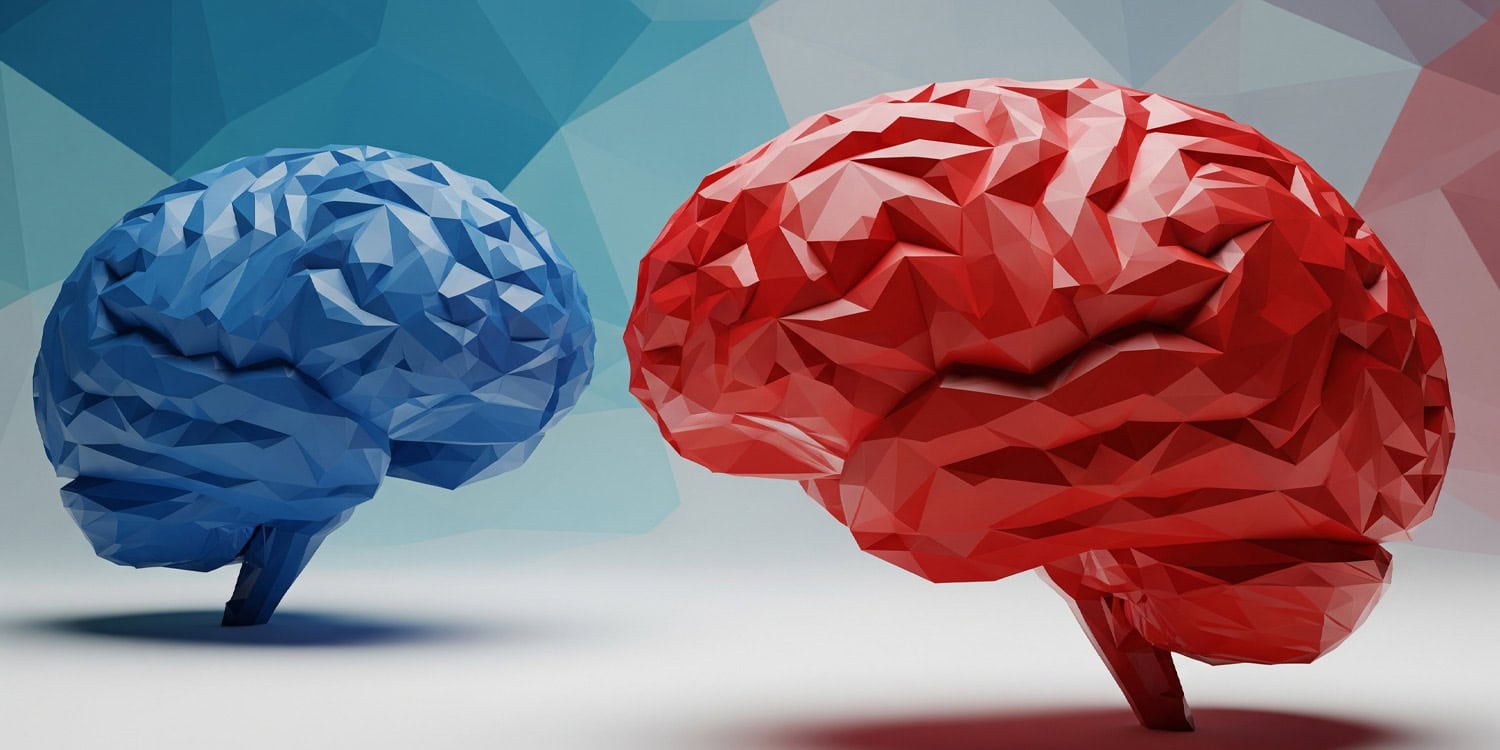
A recent brain imaging study published in iScience reveals that even subtle ideological differences in political views about immigration lead to distinct patterns of brain activity. Researchers at Aalto University in Finland and Bar-Ilan University in Israel conducted an experiment to investigate whether such minor ideological disagreements result in biological polarization within the brain.
Participants with slightly divergent immigration attitudes listened to audio statements, half supportive and half opposing immigration. Using functional magnetic resonance imaging (fMRI), scientists measured neural activity in real-time. Brain scans revealed that activity was more similar within groups of strongly supportive or opposed individuals than between the two opposing groups.
The differences appeared in two brain regions: the left dorsolateral prefrontal cortex, linked to complex cognition, and the left premotor cortex, which plays a role in planning movements. The left dorsolateral prefrontal cortex was polarized in the pro-immigration group and the right hemisphere in the anti-immigration group. The superior temporal gyrus, involved in processing sounds and language, also showed polarization during anti-immigration audio.
Despite the relatively low societal polarization in Finland, this research shows that nuanced political differences can influence brain activity, highlighting the biological roots of political division.
Written by urgent.news from PsyPost's reporting — not their text. Machine-written — may contain errors; check the original before relying on it.