Batteries send power prices up in midnight charging mystery
Australia is leading the world in the adoption of batteries big and small. But in one state, storage is fuelling some perverse and pricey outcomes.
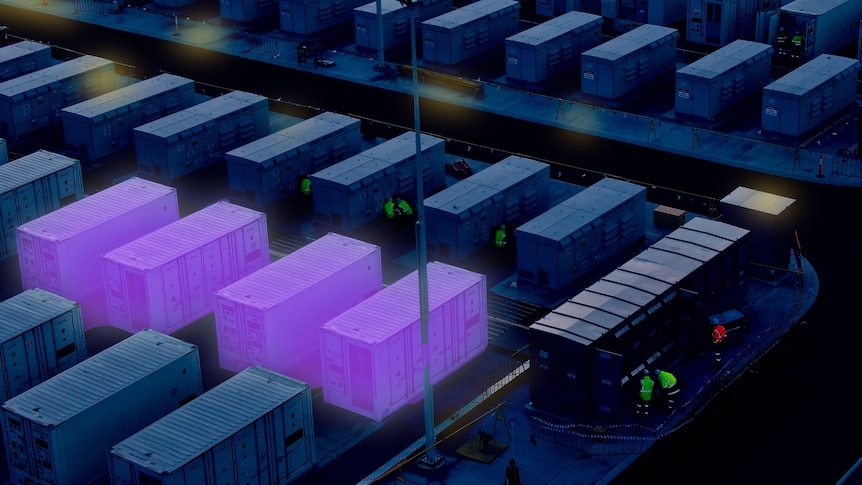
On a frigid night last month, prices in Western Australia's main electricity system surged unexpectedly. About 1 a.m. local time, the spot market prices began to climb from roughly $120 per megawatt-hour to over $350/MWh. This spike was caused by an increase in demand, specifically from large battery storage systems owned by the state-owned electricity provider, Synergy.
Analyst Marcus Freese from Modo Energy stated that the batteries charged during this period were all owned by Synergy. Combined, Synergy's four massive batteries added more than 30 percent to demand on the grid during a time when prices were already high. Freese observed that the price rise coincided with Synergy increasing charging from 229 megawatts to 640 megawatts, which added around a third to system demand at the overnight low point.
This incident highlights the challenges of managing battery storage systems as renewable energy sources become increasingly prevalent in Australia's power grid. While batteries are designed to balance the grid and provide flexibility, their management can significantly impact prices. In this case, Synergy's coordinated charging resulted in the batteries losing $383,000 across the day, despite the system demand being unremarkable for the time of day.
The state of Western Australia has led the way in adopting large-scale battery storage as a means to balance the grid with growing renewable energy sources. Currently, WA has about 1400 megawatts of battery capacity, which regularly meets over 20 percent of demand at peak times. However, this incident demonstrates the complexities of relying on batteries and the need for a diverse and resilient electricity system.
Written by urgent.news from ABC News AU's reporting — not their text. Machine-written — may contain errors; check the original before relying on it.