Australia has a soft spot for the amazing flannel flower
The flannel flower is a beautiful bloom with a few superpowers up its floral sleeve. And it's not just an east-coast star.
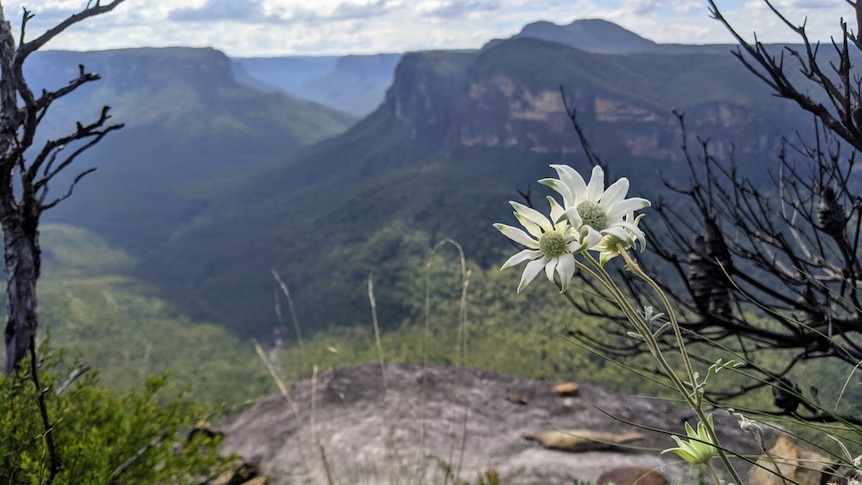
The flannel flower, a beloved Australian wildflower, has captured the hearts of many with its unique beauty and resilient nature. In 2026, this floral wonder was recognized as Australia's most amazing native flowering plant during National Science Week. Although resembling a daisy, the flannel flower belongs to the Apiaceae family, which comprises familiar vegetables like carrots, celery, and parsley.
There are 14 species of the flannel flower found across Australia and one in New Zealand, with the two most common in Western Australia being Actinotus leucocephalus and Actinotus superbus. In the Northern Territory, Actinotus schwarzii can only be found on the cliffs of Standley Chasm, while Tasmania boasts the rare crimson flannel flower (Actinotus suffocatus).
A remarkable event occurred after the devastating 2020 Black Summer bushfires, when the pink flannel flower (Actinotus forsythii) unexpectedly bloomed in eastern New South Wales, where it hadn't been seen for decades. This bloom symbolized hope and resilience, as flannel flower seeds can survive for decades in a dormant state, waiting for the right cues to germinate.
Cathy Offord, head of Australian PlantBank research at the Australian Botanic Gardens, explained that factors such as smoke, rain, and varying lengths of time in the soil can awaken these sleeping seeds. In some cases, bushfires trigger the awakening of flannel flower seeds, leading to mass flowering events that produce billions of plants. These events can last for several years before the flowers fade away.
The flannel flower's ability to produce vast numbers of seeds and flowers has been linked to the Dharawal people's cultural significance. The story of Talara tingi, a young girl named Tiana who brought hope and health back to her people, is intertwined with the flannel flower's appearance, signifying ancient wisdom and resilience. Dr. Offord has even collaborated with the cut flower industry to develop suitable varieties of Actinotus helianthi for cultivation, allowing the flannel flower to thrive beyond its wild habitats.
Written by urgent.news from ABC News AU's reporting — not their text. Machine-written — may contain errors; check the original before relying on it.