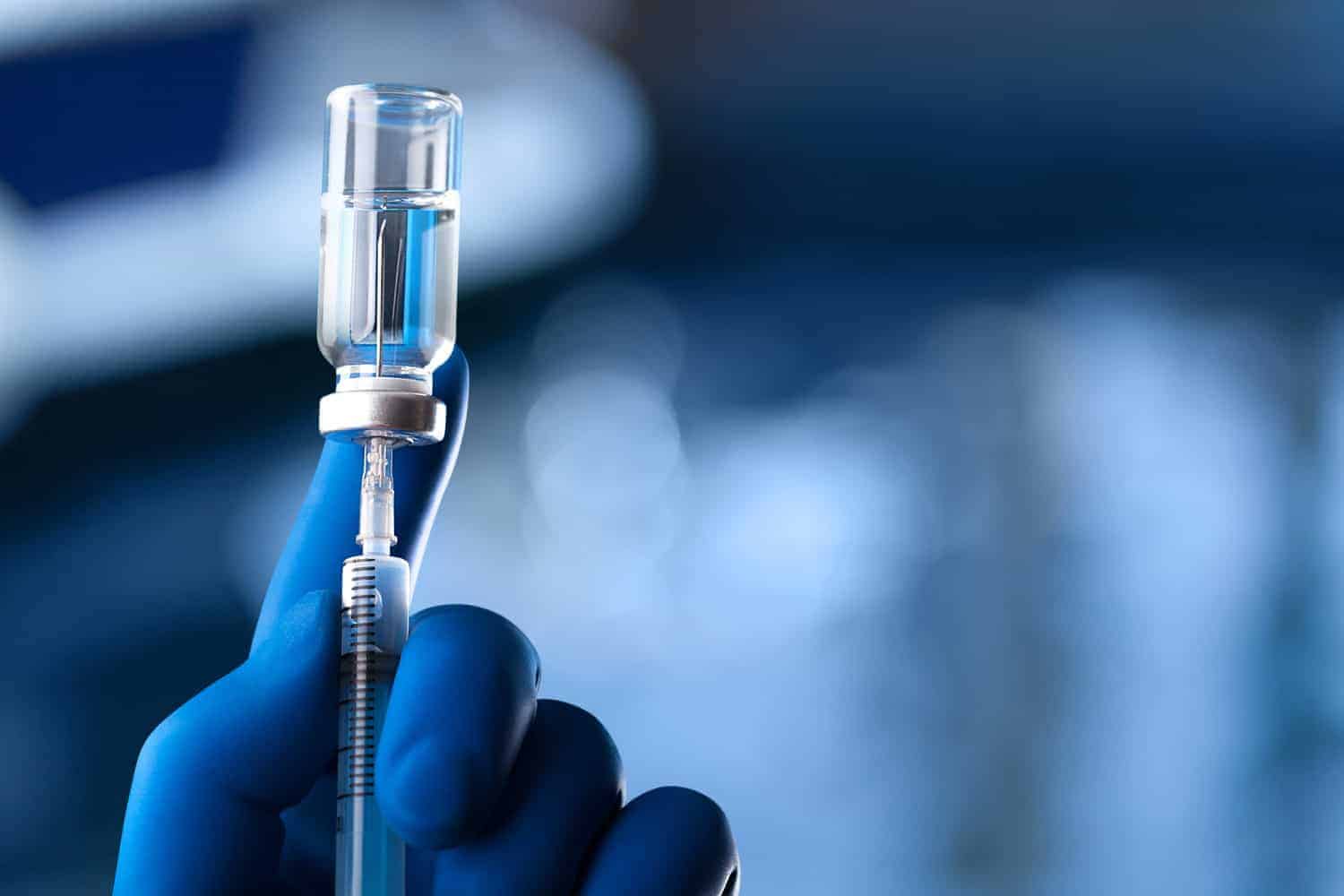
AI may know how you’ll respond to a vaccine before you get it
AI may be able to predict how strongly someone will respond to a vaccine before they receive it. By analyzing antibody patterns in more than 4,000 people, researchers found signs of “immune readiness” that helped distinguish strong responders from weak ones. Surprisingly, even some healthy people responded poorly, while some immunosuppressed people mounted strong responses.
AI may soon be able to predict a person's response to a vaccine before they receive it, according to new research led by Arizona State University. The study examined blood samples from over 4,000 individuals, identifying antibody signatures that could distinguish between those who produce strong vaccine responses and those with weaker responses. These findings could pave the way for personalized vaccination strategies that better match an individual's immune system.
The researchers focused on certain biomarkers, such as antibodies targeting common microbes, that were found to be associated with stronger vaccine responses. These "sentinel" antibodies may indicate a person's underlying immune readiness, even if they do not directly target the vaccine itself. The presence of these biomarkers could provide valuable insights into an individual's immune system status.
The study also highlighted the importance of examining the entire antibody fingerprint rather than relying on individual biomarkers. By using artificial intelligence to analyze patterns across the antibody panel, researchers were able to build a more comprehensive picture of each participant's immune state. This approach demonstrates the potential of machine learning in biomedical research, as it can uncover subtle relationships within vast amounts of biological data.
While the findings are promising, further studies are needed to confirm the results and explore their applications beyond COVID-19 vaccinations. If validated, this approach could have significant implications for vaccine development, medical care for vulnerable populations, and overall vaccine research. Ultimately, the goal is to tailor vaccination strategies more closely to an individual's specific immune system, ensuring better protection and minimizing the risk of weak vaccine responses.
Written by urgent.news from ScienceDaily Health's reporting — not their text. Machine-written — may contain errors; check the original before relying on it.
Also reported by 1 other outlet
- AI may know how you’ll respond to a vaccine before you get it sciencedaily.com