A Political Awakening in Arab America
A Midwestern Muslim family’s story of immigration, assimilation, and how one year changed the life of its youngest son.
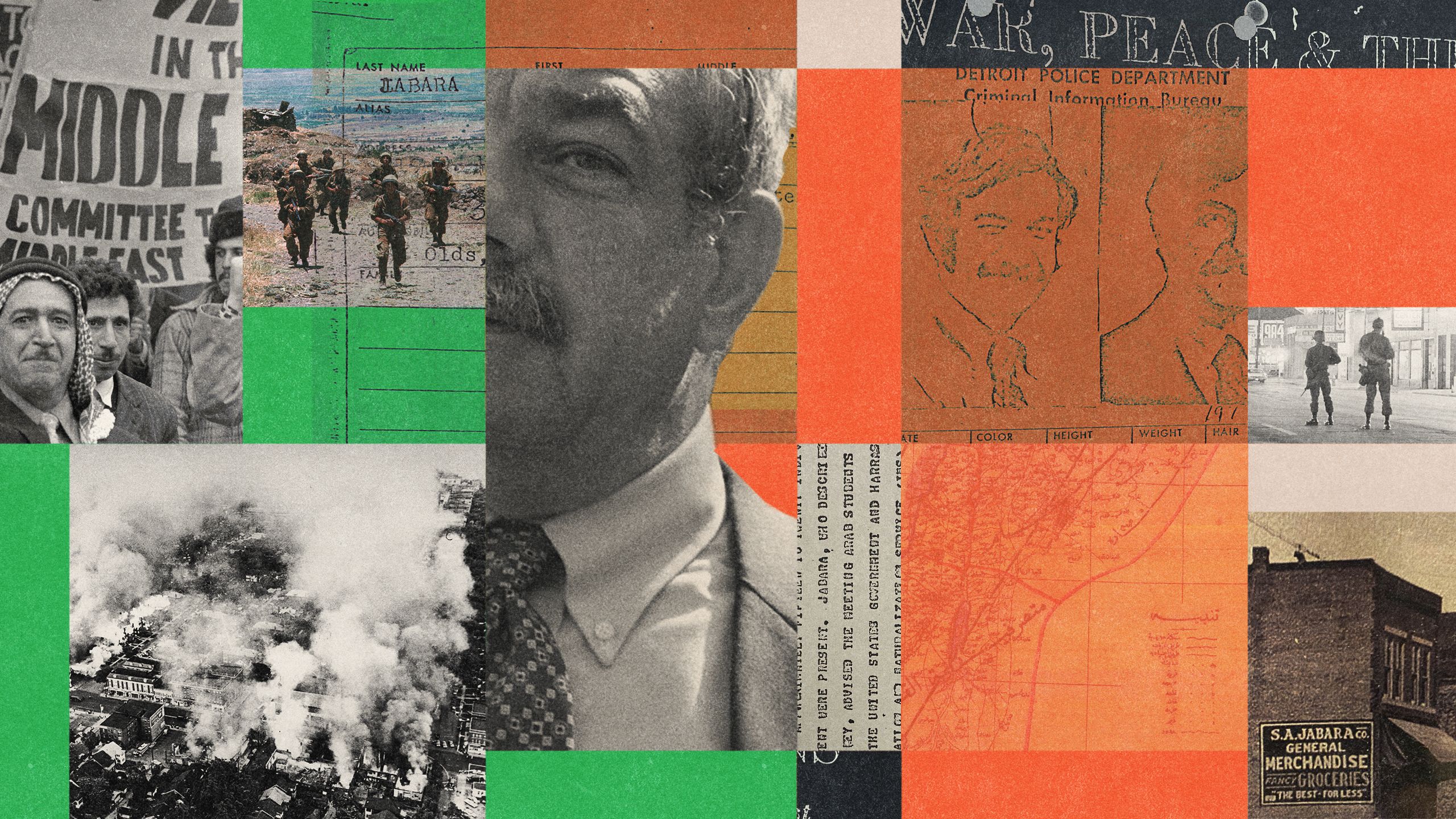
On a warm July day in Mancelona, Michigan, a family known for their love of mulberries prepared to return home. The Jabara siblings, including the youngest Abdeen, would bring their seasonal bounty of sweet-tart berries to bake into a cobbler for their mother Mymonie. Essie, the eldest, had been a second mother to Abdeen, who had grown up with a ten-year age gap between them. The family's home was filled with the aromas of fatayer, pitas, and yogurt, dishes passed down from Mymonie's Syrian heritage.
Sam Jabara, now in his later years, remembered the day his wife Mymonie arrived from North Dakota for their wedding in 1924. She had traveled from Saint Paul, Minnesota, where she was married, to Mancelona to join her new husband. The two built their lives together in the small town, where Sam operated a grocery store and Mymonie cared for their growing family.
Abdeen, reflecting on their family history, remembered the debates within the household about which customs to preserve and which to compromise on. His father Sam, a first-generation Syrian immigrant, spoke Arabic with his children, causing some embarrassment. Despite the occasional tension, the Jabara family remained close, cherishing their Syrian roots and the life they had built in their small Michigan town.
Written by urgent.news from The New Yorker's reporting — not their text. Machine-written — may contain errors; check the original before relying on it.