World Bank calls for evidence-based reforms to improve learning outcomes
The World Bank has called for greater use of research, data and implementation evidence to improve learning outcomes and equip Ghanaian children with relevant skills. The post World Bank calls for evidence-based reforms to improve learning outcomes appeared first on Ghana Business News .
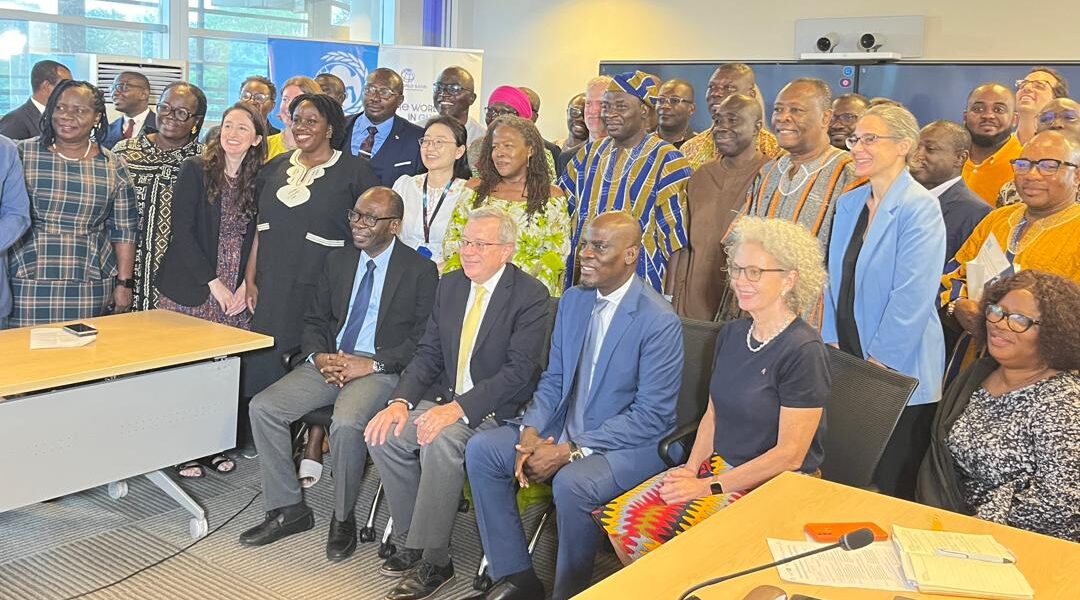
The World Bank has called for greater reliance on research, data, and implementation evidence to enhance learning outcomes in Ghana, particularly for its children. Mr Robert Taliercio, Country Director for Ghana, Liberia, and Sierra Leone, made this call during a conference in Accra. He emphasized that while Ghana has made significant strides in expanding access to education, there is a need to ensure children acquire essential foundational skills such as reading, mathematics, and digital literacy.
Taliercio stressed that merely having access to education is insufficient, as many children complete primary education without mastering the necessary skills for their age. The World Bank reported that kindergarten and primary school enrolment had increased dramatically, from around 60% in 2000 to over 100% in 2026. However, this increase in enrolment has not been accompanied by corresponding improvements in learning outcomes.
For instance, only 49% of candidates passed Mathematics in the West African Senior School Certificate Examination in 2025, and only 22% of adolescent boys and 8% of adolescent girls possessed relevant ICT skills in 2019, despite over 60% of jobs requiring at least basic digital fluency. The World Bank cited these statistics to highlight a disconnect between the skills produced by the education system and the demands of the private sector, contributing to high youth unemployment rates.
To address these challenges, Ghana is implementing a comprehensive package of interventions focused on foundational learning, particularly in reading and mathematics. These initiatives, supported by the Ghana Accountability for Learning Outcomes Project (GALOP) and additional funding, are being rolled out nationwide. Taliercio emphasized that the success of these reforms hinges not only on well-designed programs but also on their effective implementation and the consistent use of evidence.
He urged stakeholders to focus on three key questions: what the evidence indicates, what has been learned from implementation, and what should be prioritized moving forward. He stressed that the effectiveness of designs depends on their implementation, urging participants to use research and evidence to improve outcomes for children.
Written by urgent.news from Ghana Business News's reporting — not their text. Machine-written — may contain errors; check the original before relying on it.