Will personalised mRNA vaccines transform cancer treatments?
A personalised mRNA cancer vaccine has produced positive results in a final-stage trial involving skin cancer, raising hopes that this approach could work against many cancers
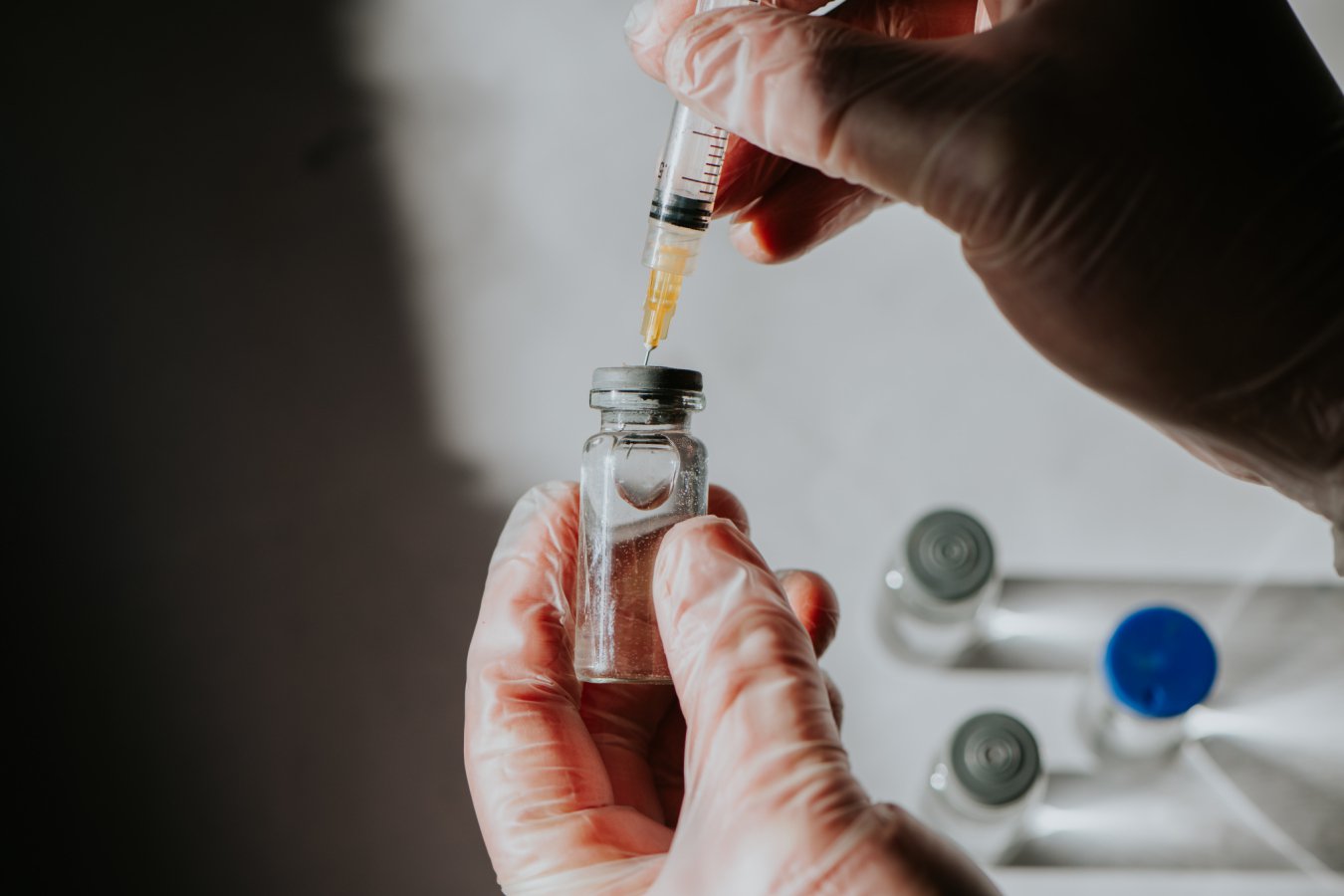
Personalised cancer vaccines, which aim to teach the immune system to recognise and attack individual patient's unique cancer cells, have recently shown promising results in a final-stage trial. The Moderna vaccine, named intismeran autogene, was combined with another immunotherapy, pembrolizumab, in the study. Participants who received the personalised mRNA cancer vaccine alongside pembrolizumab had a significantly longer period without cancer recurrence or spread compared to those who received pembrolizumab alone.
The trial involved 1,137 people who had undergone surgery to remove melanomas, the most common type of skin cancer. While the full results of the Phase 3 trial have not been disclosed, earlier trials have demonstrated that the combination of the personalised vaccine and pembrolizumab can reduce the risk of cancer recurrence by 50 per cent and the risk of cancer spreading to other parts of the body by 60 per cent, compared to pembrolizumab alone.
Several other companies, including BioNTech, are also conducting human trials for personalised cancer vaccines. The potential benefits of mRNA cancer vaccines could exceed $75 billion in the US alone, making this a promising development in cancer treatment.
Written by urgent.news from New Scientist's reporting — not their text. Machine-written — may contain errors; check the original before relying on it.