Why Treasury yields are at 20-year highs – and why it matters
A sustained sell-off in the bond market sent long-term Treasury yields to their highest levels in nearly 20 years this week, rattling both Wall Street and Washington. Higher yields, essentially the interest rate the government pays to borrow money, also mean higher borrowing costs throughout the economy, from mortgages to car loans. Amna Nawaz discussed more with The Washington Post's David Lynch.
Treasury yields reached their highest levels in nearly two decades this week, causing concern on Wall Street and in Washington. Higher yields translate to increased borrowing costs across the economy, from mortgages to car loans. According to Treasury Secretary Scott Bessent, the government will increase its bond buyback to stabilize the market.
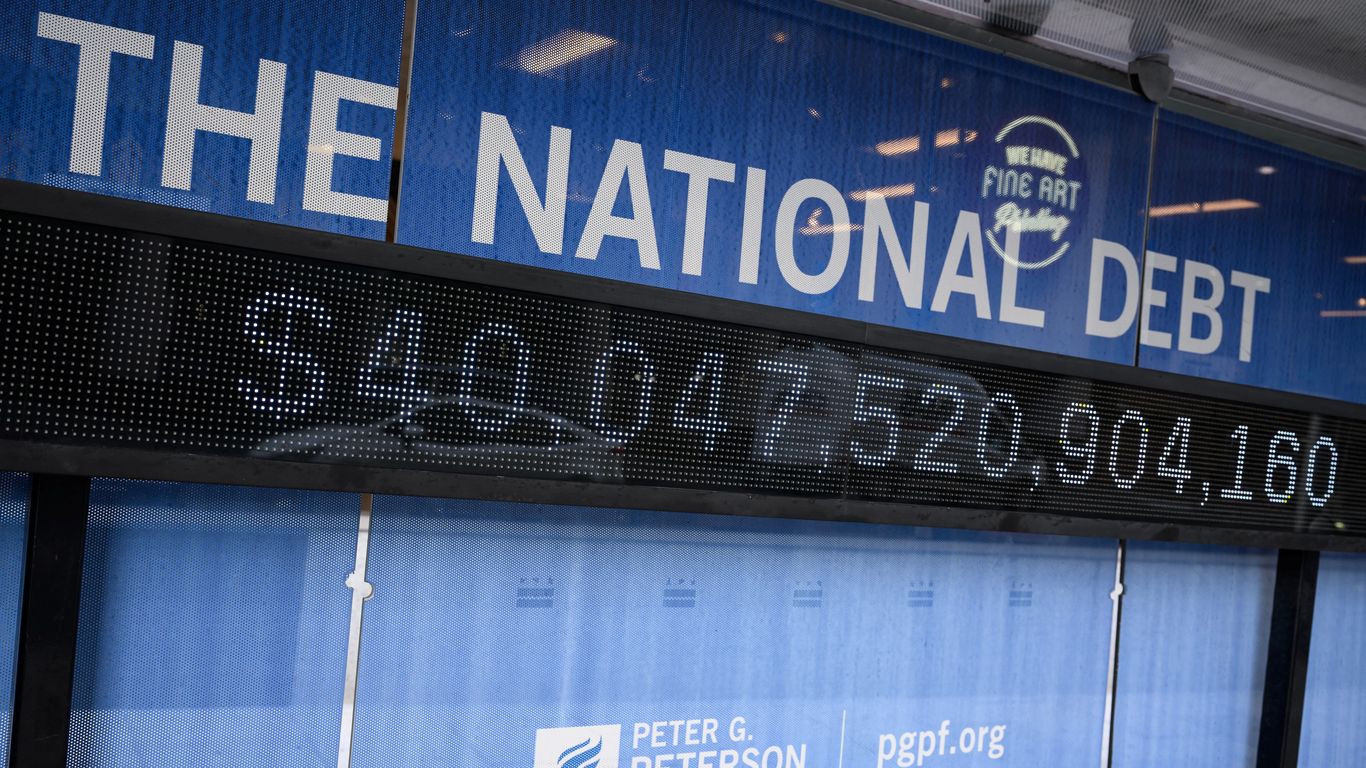
The national debt has surpassed $40 trillion, according to recent data. David Lynch, a global economics correspondent for The Washington Post, explained that rising yields indicate investors demand a higher return for lending to the government. This is due to increased demand for capital from corporations and institutions competing for scarce resources.
Higher yields affect loan rates for households, impacting auto loans, mortgages, and business investments.
Written by urgent.news from PBS NewsHour's reporting — not their text. Machine-written — may contain errors; check the original before relying on it.