Why primary polls appear to be so inaccurate this year
Results in some high-profile races this primary season have differed greatly from public opinion polls. In the Michigan Senate Democratic primary, progressive Abdul El-Sayed had double-digit leads in polling but won over Haley Stevens by just one point. Lisa Desjardins and Courtney Kennedy of Ipsos discussed the recent results that were at odds with polling.
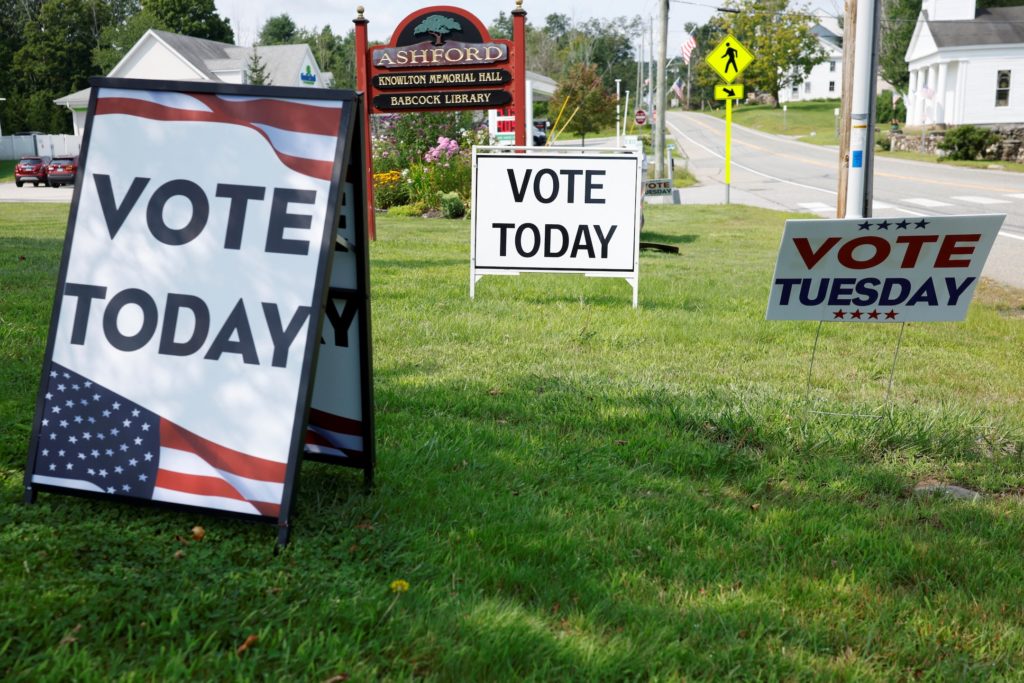
Primary polls have been notoriously inaccurate this primary season, with results often differing from actual election outcomes. In the Michigan Senate Democratic primary, progressive candidate Abdul El-Sayed led in polls but won by only a single point. In Wisconsin, Democratic Socialist Francesca Hong led polls but lost to David Crowley.
Ipsos Senior Vice President Courtney Kennedy explains that primary polls are notoriously difficult to conduct, with an error rate three times higher than national polls. The main issue lies in the methods used to gather data. Text-to-Web polling, which is more common in primary polling, reaches engaged, progressive, and younger voters but struggles to connect with moderates.
This was evident in Michigan, where the dominant text-to-Web method resulted in an overemphasis on progressive voters. In Wisconsin, the race was further complicated by three candidates dropping out and another returning just before the election. Additionally, a fake polling organization called Median Strategies released false poll data, raising concerns about how to determine the legitimacy of polls.
Kennedy advises that to assess a poll's credibility, one should research the polling organization, look for named individuals with relevant credentials, and examine the level of detail provided in the poll, as more transparent methods are generally more reliable.
Written by urgent.news from PBS NewsHour's reporting — not their text. Machine-written — may contain errors; check the original before relying on it.