Why I spend my days raising mosquitoes
Every morning, I walk into a room full of mosquitoes. While most people spend their lives trying to avoid them, I spend my days raising, monitoring and studying them. It may sound unusual, but understanding mosquitoes helps to answer important questions about how well malaria prevention tools are performing.In 2024 alone, 282 million people were […]
Every day, I enter a space filled with mosquitoes. Unlike most, who strive to escape them, my daily routine involves raising, observing, and studying these insects. This might seem peculiar, but comprehending mosquitoes is crucial for assessing the effectiveness of malaria prevention measures. In 2024, malaria affected 282 million individuals, resulting in 610,000 deaths.
Ninety-four percent of these cases and ninety-five percent of fatalities occurred in Africa, with three-quarters of the deaths among children under five. These figures underscore the importance of ongoing malaria prevention initiatives. However, we are aware of what functions. The Malaria Atlas Project estimates that malaria control efforts have averted over 1.22 billion cases and 3.5 million deaths in Africa since 2000.
Their research indicates that insecticide-treated nets (ITNs) have contributed the most to this achievement, accounting for 72 percent of the cases prevented. This substantial progress is commendable. Malaria prevention tools, including ITNs and other vector-control interventions, have safeguarded millions. Emerging tools, such as dual-active ITNs and malaria vaccines, are also enhancing protective measures.
Nonetheless, we cannot rely on their efficacy without continuous vigilance. ITNs rely on the mosquitoes' response to the insecticides present. Mosquitoes adapt rapidly, developing resistance to insecticides and altering their behavior. These modifications affect how well malaria prevention tools function. Ongoing monitoring and research are vital to remain one step ahead of the mosquito, guaranteeing that current and future ITNs maintain their effectiveness as mosquito populations evolve.
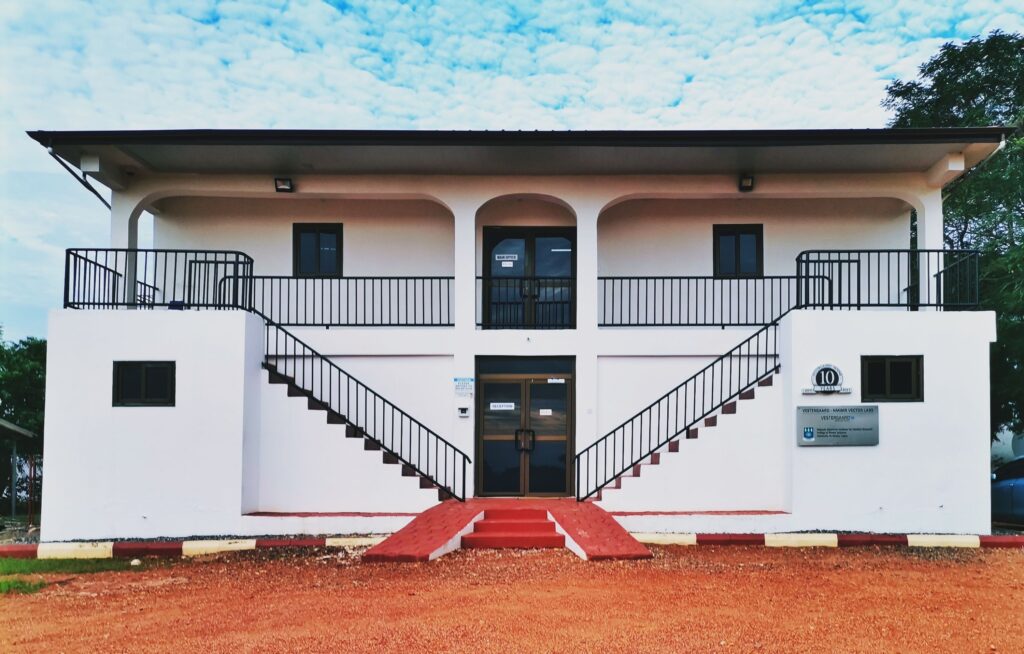
What most people fail to see is the science behind an ITN. Prior to distributing a mosquito net to a family, it undergoes years of research, stringent testing, and quality control. At Vestergaard–Noguchi Vector Labs (VNVL) in Ghana, my team and I manage mosquito populations with varying insecticide-resistance traits. We maintain and meticulously monitor the mosquito colonies, utilizing them for standardized laboratory testing of Vestergaard ITNs, including PermaNet Dual, a cutting-edge ITN.
This endeavor supports quality assurance and product development by providing dependable data on the performance of our nets against the targeted mosquito populations. Most of this work occurs out of sight, yet it is essential in ensuring that our ITNs function as intended. This year, we will commemorate 15 years of collaboration between Vestergaard and the Noguchi Memorial Institute for Medical Research, which has helped establish and maintain advanced entomological testing capabilities in Ghana.
Alongside laboratory facilities, the partnership has cultivated specialized expertise in mosquito rearing, laboratory testing of ITNs, and insecticide resistance monitoring. The writer is the Laboratory Manager at Vestergaard–Noguchi Vector Labs. Last year, this commitment was bolstered through a Memorandum of Understanding between Vestergaard, Noguchi Memorial Institute for Medical Research, and the Ghana National Malaria Elimination Program, further fortifying public-private partnerships towards Ghana's Malaria elimination target.
Every mosquito we investigate and every net we evaluate has a purpose extending beyond the laboratory: ensuring that the products people depend on remain effective. On World Mosquito Day, I am reminded that the fight against malaria is a collective effort, and my role in this endeavor is significant. However, more is needed. Protecting people from a disease that has evolved alongside humans and continues to jeopardize millions of lives requires more than just the tools we employ.
Understanding the mosquito and its changes is equally important, enabling us to better protect the communities most vulnerable.
Written by urgent.news from MyJoyOnline Ghana's reporting — not their text. Machine-written — may contain errors; check the original before relying on it.
This story
This is one outlet's version. Read the fullest account.
- Why I spend my days raising mosquitoes adomonline.com
- Why I Spend My Days Raising Mosquitoes dailyguidenetwork.com