Which supplements do athletes take and why?
There is a long list of supplements taken by elite athletes in the pursuit of marginal gains - what do they take and why?
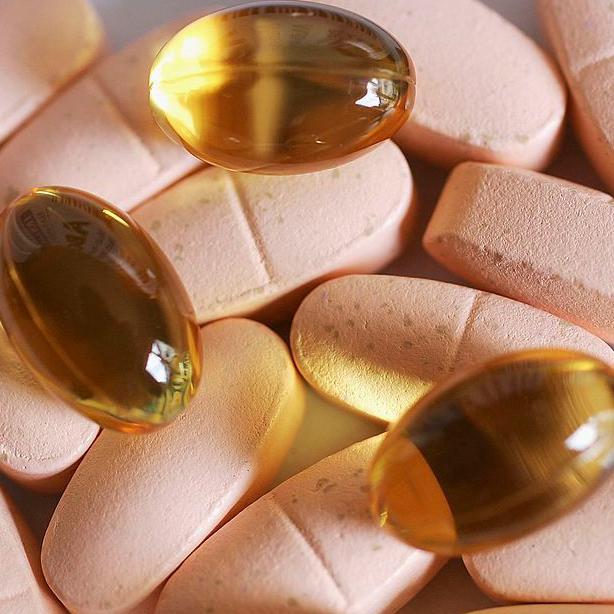
In the late 1980s and early 1990s, creatine emerged as a popular supplement among athletes. Initially, there were suspicions and stigma surrounding its use in elite sports, as it was considered a "performance enhancing" substance. However, creatine's benefits quickly became apparent, particularly in short-duration, high-intensity activities such as sprinting.
Creatine is a natural compound produced in the body by the kidneys, liver, and pancreas. It functions as a quick source of energy for muscles, making it especially valuable for athletes engaged in intense sports. The supplement gained widespread recognition during the 1992 Barcelona Olympics, when it was believed to improve athletic performance by 1-3%. By the time of the 1996 Olympics, around 80% of athletes were reportedly using creatine.
Supplements have become an integral part of athletes' routines, with some estimates suggesting that up to 90% of them take them. According to Prof Graeme Close, professor of human physiology at Liverpool John Moores University, this figure is likely closer to 100%. Close emphasizes that supplements are the "final piece of the jigsaw" in an athlete's performance, rather than the starting point.
A well-rounded diet and proper training, recovery, and hydration are essential for optimal performance, and supplements serve as the final refinements to an already strong foundation.
Some of the most popular supplements among athletes include protein powders, creatine, vitamin D, and carbohydrate gels. Protein powders aid in muscle repair and growth, while creatine provides quick energy for muscles and supports high-intensity activities. Vitamin D is crucial for bone health and muscle function, and carbohydrate gels can be beneficial in endurance sports, as demonstrated by the recent sub-two-hour marathon run, where athletes consumed approximately 110 grams of carbohydrates per hour.
Written by urgent.news from Yahoo Sports's reporting — not their text. Machine-written — may contain errors; check the original before relying on it.
This story
This is one outlet's version. Read the fullest account.